
10 Herbs Traditionally Used for Healthy Digestion
Some days your digestive system quietly lets you know it needs a little extra care. A rushed lunch, a stressful afternoon, or one too many meals eaten on the go can leave your stomach feeling unsettled long after the day is over. When digestion feels out of balance, it’s often the rest of the body that notices too.
The digestive system does far more than break down food. It helps absorb nutrients, supports immune function, influences energy levels, and plays an important role in overall well-being. When digestion isn’t working comfortably, everything from your mood to your daily energy can feel a little off.
The good news is that gentle support often goes a long way. For generations, herbal traditions have turned to simple plants to soothe the digestive tract, encourage healthy digestion, and restore balance after occasional discomfort. Whether enjoyed as a warm cup of tea or incorporated into daily wellness routines, these herbs offer comforting support that fits naturally into everyday life.
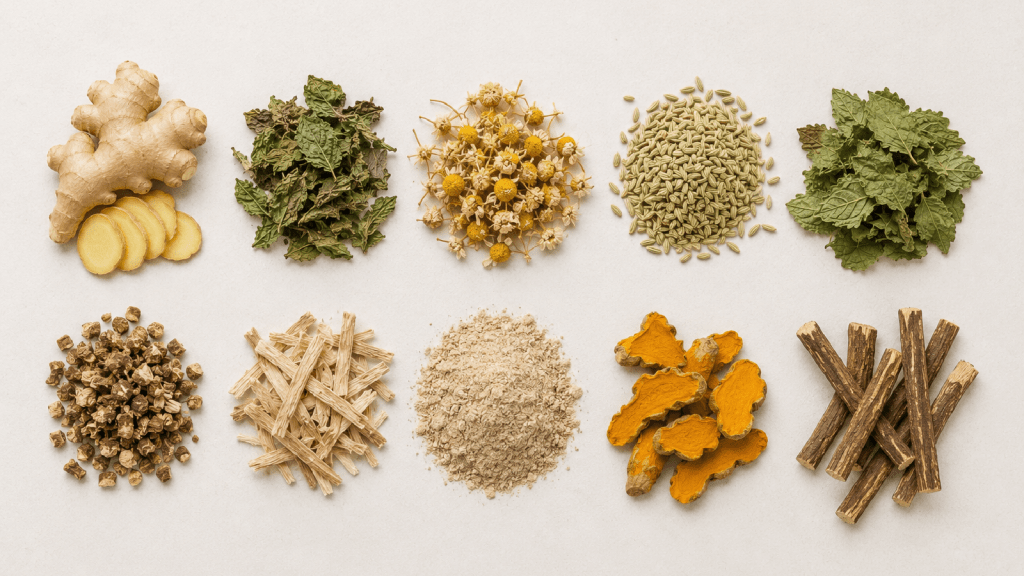
Here are ten herbs traditionally used to support healthy digestion and promote lasting digestive wellness.
At a Glance
Reading Time: 9 minutes
Best For: Digestion, bloating, and stomach comfort
Focus: Gentle herbal digestive support
Enjoy As: Teas, infusions, foods, and herbal remedies
Good to Know: Simple herbal rituals can support comfortable digestion
1. Ginger
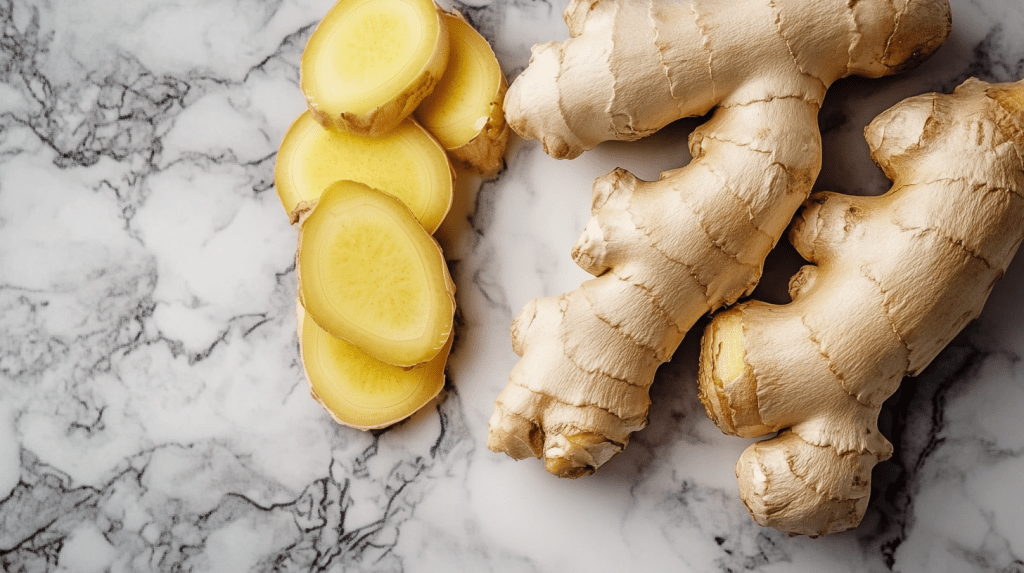
Few herbs feel as comforting as ginger when the stomach needs a little extra care. Its naturally warming flavor seems to settle both the body and the mind, making it a longtime favorite in kitchens and herbal traditions around the world.
Ginger has traditionally been used to support healthy digestion by encouraging normal digestive movement and helping ease occasional nausea, bloating, and stomach discomfort. Its warming plant compounds also support healthy circulation, allowing the digestive system to function more comfortably.
Fresh ginger can be steeped into tea, grated into soups, blended into smoothies, or added to warm wellness drinks. A simple cup of ginger tea after meals can become a grounding daily ritual that gently supports digestive comfort.
2. Peppermint
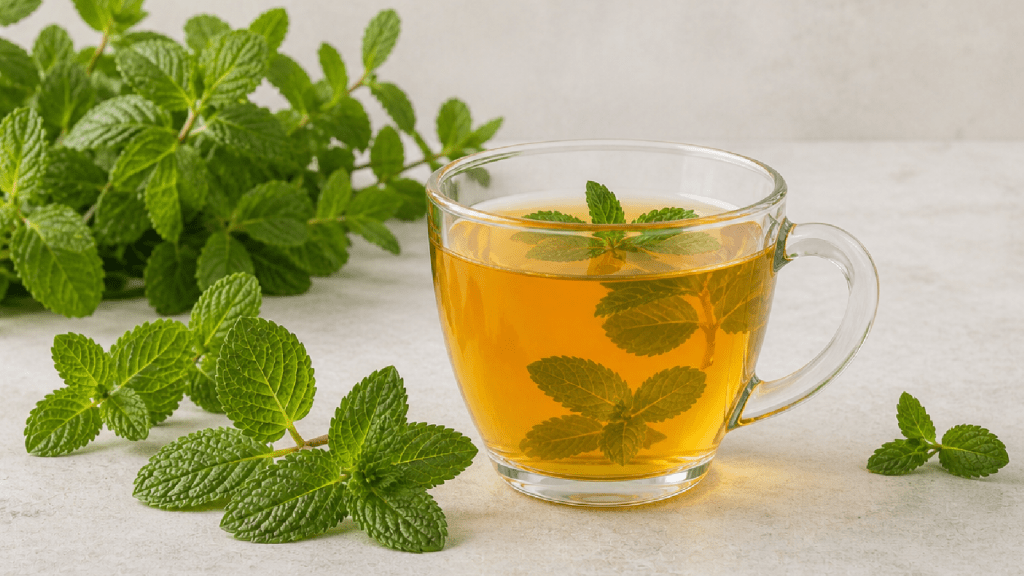
There is something instantly refreshing about the aroma of peppermint. Even before the first sip, its cool scent has a way of making the whole body feel lighter and more at ease.
Peppermint has long been used to relax the digestive tract, helping ease occasional gas, bloating, and digestive discomfort. By supporting smooth digestive function, it encourages meals to feel lighter and more comfortable.
Many people enjoy peppermint tea after larger meals or during busy afternoons when digestion feels sluggish. Its crisp flavor makes it an easy herb to enjoy throughout the year.
3. Chamomile
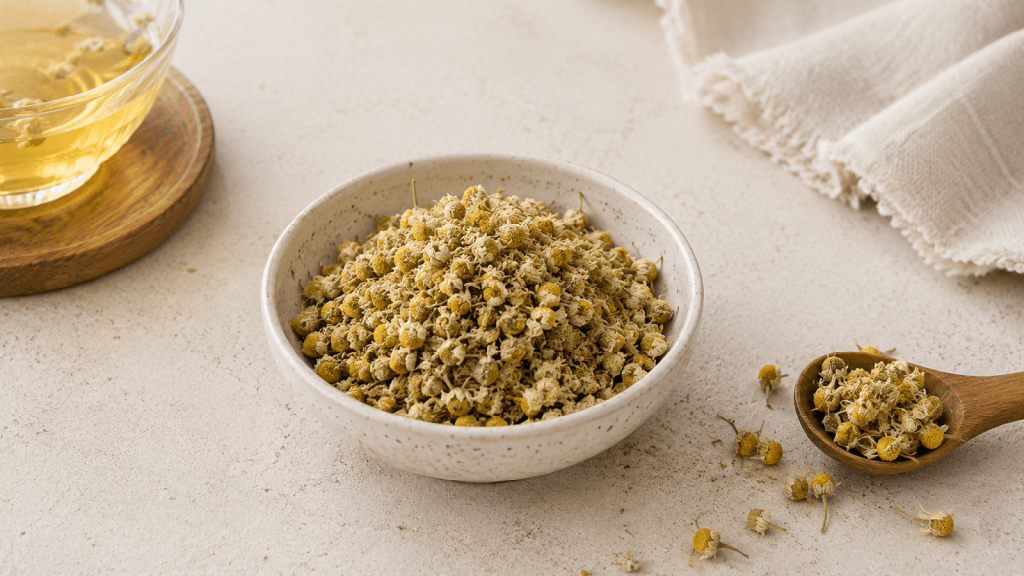
As evening settles in, a warm mug of chamomile often becomes more than just tea. It creates a quiet pause that invites both the mind and the digestive system to relax.
Chamomile is traditionally used to soothe the digestive tract while helping calm occasional stomach discomfort. Because stress and digestion are closely connected, its calming properties also support the nervous system, creating an environment where healthy digestion can thrive.
A warm cup of chamomile tea after dinner or before bed makes chamomile a comforting addition to any evening wellness routine.
4. Fennel
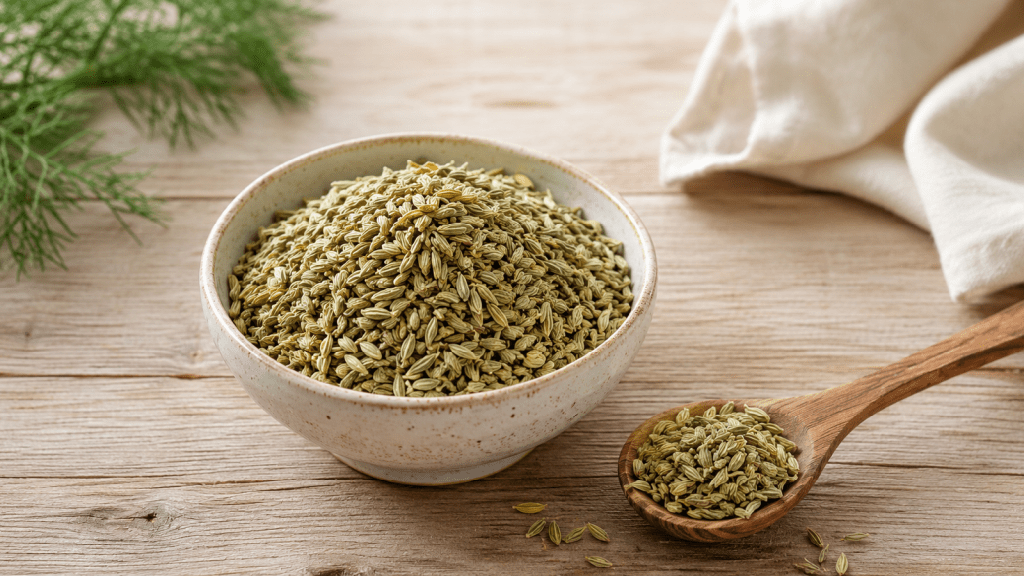
Fennel has been enjoyed after meals for centuries, often served as seeds to slowly chew while conversations linger around the dinner table. Its naturally sweet flavor makes digestive support feel effortless.
Traditionally, fennel helps ease occasional bloating and gas while supporting healthy digestive movement. It encourages comfortable digestion and helps the stomach feel more settled after meals.
Fennel seeds can be brewed into tea, added to cooking, or enjoyed whole after eating as part of a simple digestive ritual.
5. Lemon Balm
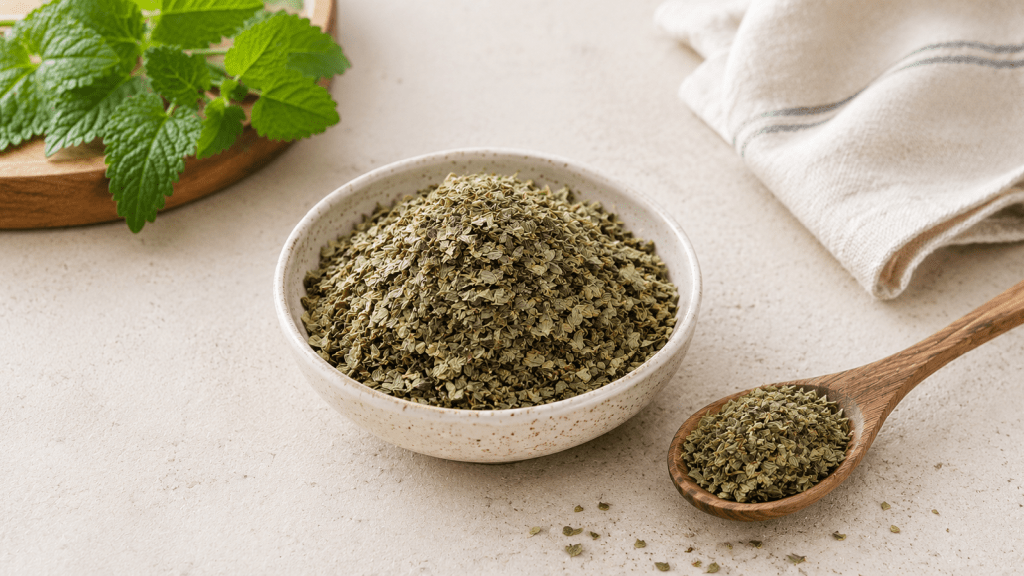
Some afternoons leave both the mind and stomach feeling equally unsettled. Lemon balm offers a gentle reminder that slowing down often supports both.
Lemon balm has traditionally been used to calm the digestive system while supporting the nervous system. It may help ease occasional digestive discomfort that appears during times of emotional stress or tension.
Its light citrusy flavor makes lemon balm tea especially enjoyable during quiet afternoons or peaceful evening routines.
6. Dandelion Root

Beneath every bright yellow flower grows a root that herbalists have quietly appreciated for generations. Though often overlooked, dandelion root has long held a place in traditional digestive wellness.
Dandelion root is commonly used to support healthy liver function and stimulate healthy digestion. It encourages the production of digestive juices, helping the body break down food more efficiently while supporting overall digestive balance.
Many people enjoy roasted dandelion root as a coffee alternative or sip it as a warm dandelion tea during slow mornings.
7. Marshmallow Root
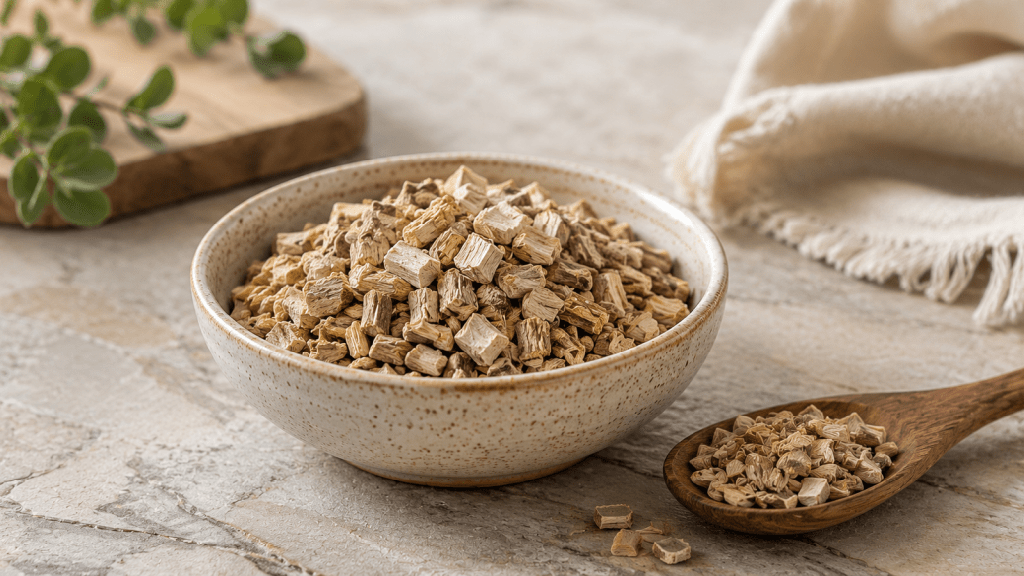
Some herbs work gently by creating comfort rather than stimulation. Marshmallow root is one of those quiet helpers, offering soothing support where the digestive tract needs it most.
Traditionally used to coat and soothe the digestive lining, marshmallow root may help ease occasional irritation while supporting overall digestive comfort. Its naturally soothing properties have made it a favorite herb for generations.
Marshmallow root is commonly prepared as a tea or cold infusion, creating a gentle wellness ritual for digestive support.
8. Slippery Elm
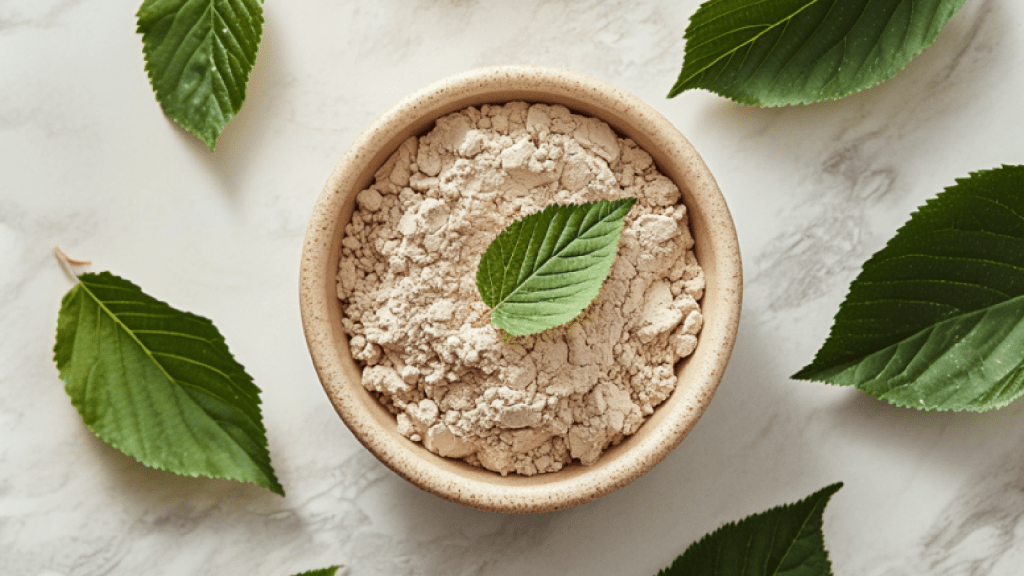
There are times when the digestive system simply needs a little kindness. Slippery elm has long been valued for bringing gentle comfort during those moments.
Rich in soothing mucilage, slippery elm creates a protective coating that helps calm occasional irritation throughout the digestive tract. It has traditionally been used to support healthy digestion while promoting overall digestive comfort.
Mixed into warm water or herbal preparations, slippery elm creates a smooth, comforting drink that many people enjoy during periods of digestive sensitivity.
9. Turmeric
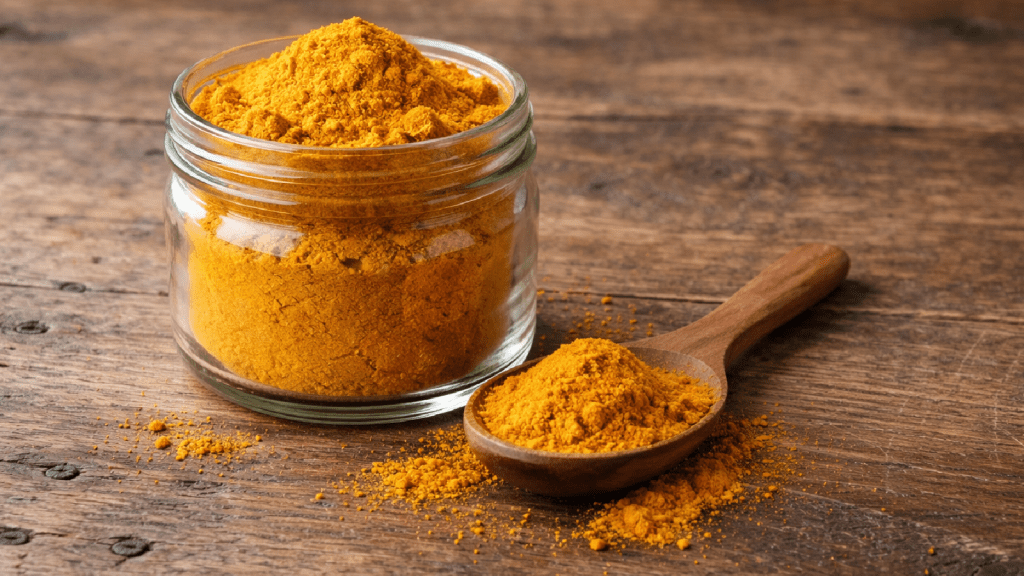
The vibrant golden color of turmeric has brightened kitchens for centuries. Beyond its beautiful color lies a long tradition of supporting digestive wellness through everyday meals.
Turmeric contains curcumin, a naturally occurring plant compound known for its antioxidant properties. Traditionally, turmeric has been used to support healthy digestion, encourage bile production, and help maintain a balanced inflammatory response throughout the digestive system.
Turmeric blends beautifully into soups, curries, golden milk, and warming herbal drinks that become nourishing daily rituals.
10. Licorice Root
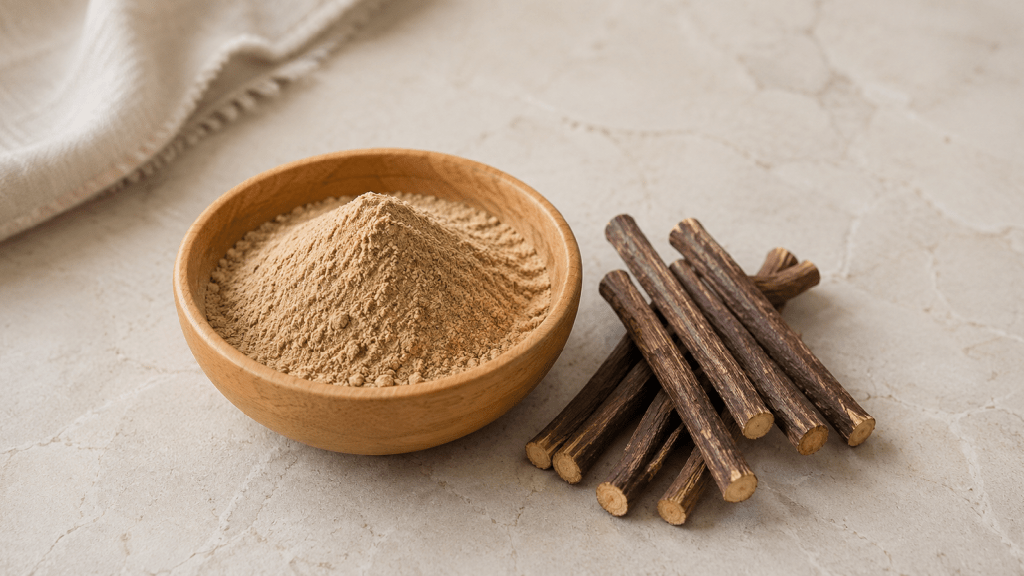
Licorice root has a naturally sweet flavor that has made it a favorite in traditional herbal teas for generations. Beneath that sweetness is a long history of digestive support.
Traditionally, licorice root has been used to soothe the digestive tract while supporting healthy stomach and intestinal function. Deglycyrrhizinated licorice, often called DGL, is commonly chosen for digestive wellness because it provides soothing support without certain compounds found in whole licorice root.
Licorice root is often enjoyed in herbal tea blends or as chewable DGL tablets before meals as part of a gentle digestive routine.
Final Thoughts
Healthy digestion is often supported through the small choices we make each day. Eating slowly, staying hydrated, managing stress, and incorporating traditional digestive herbs into daily routines can help the digestive system function more comfortably over time.
Whether you reach for a warm mug of ginger tea after dinner, enjoy soothing chamomile before bed, or sip roasted dandelion root on a quiet morning, these simple herbal rituals create moments of nourishment that extend beyond the digestive system. With consistency, they can help support a healthier gut, greater comfort, and a stronger sense of everyday well-being.
Continue Your Wellness Journey

Castor Oil Packs: An Old Fashioned Wellness Ritual
Warmth, stillness, and a little time set aside for yourself can turn a very simple remedy into something that feels surprisingly restorative. Castor oil packs have been used for generations…
Read More
Oil of Oregano + Black Seed Oil
There is something comforting about keeping a few simple remedies close by when the seasons begin to shift. Oil of oregano and black seed oil have both been used in…
Read More
Ruby Red & Remarkable: 8 Reasons to Love Pomegranate
Crack open a pomegranate and you are rewarded with hundreds of glistening ruby jewels, each bursting with that unmistakable mix of sweetness and tartness. It is a fruit that makes…
Read More
