
9 Traditional Herbs to Support Fertility & Reproductive Wellness

There are some subjects that find their way into your heart because you have lived them yourself. Fertility is one of those subjects for me.
When I struggled with fertility, I found myself looking beyond the conventional path and toward the holistic traditions women had turned to for generations. I wanted to know what could nourish the body, support a healthy cycle, and create a stronger foundation for conception naturally.
And I know I am far from alone. Fertility struggles can feel deeply personal and overwhelming, especially when the options presented to you feel expensive, complicated, or simply different from the path you want to take.
Looking Back to Traditional Herbal Wisdom
Long before modern fertility treatments, women around the world turned to plants as part of reproductive care. Traditional Chinese Medicine, Ayurveda, Western herbalism, and other healing traditions each developed their own beautiful relationships with herbs for women’s wellness.
Some herbs became treasured for supporting menstrual health and reproductive vitality. Others were used to nourish the blood, replenish minerals, encourage healthy circulation, calm stress, or support the liver and digestion. The approach was rarely about one isolated part of the body. It was about tending to the woman as a whole.
That is the spirit behind this guide. From dong quai and white peony in Chinese herbal traditions to shatavari and ashwagandha in Ayurveda, these nine herbs carry generations of traditional use behind them. While tradition cannot promise pregnancy, it gives us a rich history of plant wisdom to explore.
Sometimes supporting fertility begins not with forcing the body to do something, but with nourishing it, slowing down, and giving it the support it needs to find its own rhythm.
At a Glance
Reading Time: 8 minutes
Best Known For: Fertility Support
Focus: Preconception Wellness
Common Use: Cycles, Stress, Reproductive Wellness
Good to Know: Supports the Whole Body
A Holistic Approach to Fertility
Fertility has never been about one single system working alone. Hormones, nourishment, circulation, digestion, stress, and the menstrual cycle all weave together, creating the foundation that supports reproductive wellness.
Traditional herbal practices often reflect this whole body approach. Some herbs are chosen specifically for menstrual and reproductive support, while others nourish the body, encourage healthy circulation, support the liver, or help the nervous system settle during stressful seasons.
Rather than searching for one magical fertility herb, this guide looks at the plants women have traditionally turned to as part of a broader rhythm of nourishment and preconception care.
1. Dong Quai
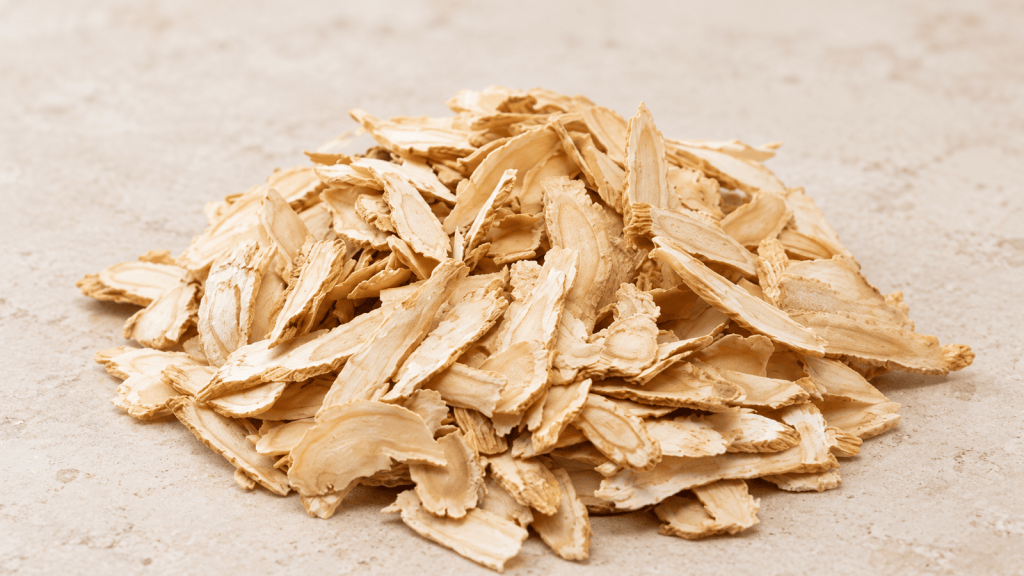
For centuries, dong quai has held a treasured place in Traditional Chinese Medicine, where it is known as Dang Gui. Often associated with women’s wellness, it has traditionally been used to nourish the blood, encourage healthy circulation, and support menstrual health.
Its connection to fertility comes from this nourishing approach. Healthy circulation and a well supported cycle are considered important foundations for reproductive wellness. Dong quai is commonly enjoyed as a dried root tea, tincture, or capsule.
2. Vitex
Vitex, also known as chasteberry, has a history stretching back to ancient Greece and Rome and later became an important herb in Western herbalism. Herbalists have traditionally turned to its small berries to support women experiencing irregular menstrual cycles.
Today, vitex remains one of the best known herbs for female reproductive wellness. It is traditionally used to encourage a healthy menstrual rhythm and is commonly taken as a tincture or capsule.
3. Shatavari
In Ayurveda, India’s ancient wellness tradition, shatavari has long been one of the most cherished herbs for women. This nourishing root has traditionally been used throughout different stages of a woman’s reproductive life.
Shatavari is considered a rejuvenating tonic for reproductive wellness, vitality, and periods of depletion. The powdered root can be stirred into warm milk or herbal drinks, while capsules and extracts offer an easy alternative.
“For generations, women have turned to nature for nourishment, balance, and a little extra hope along the journey to motherhood.”
4. Raspberry Leaf
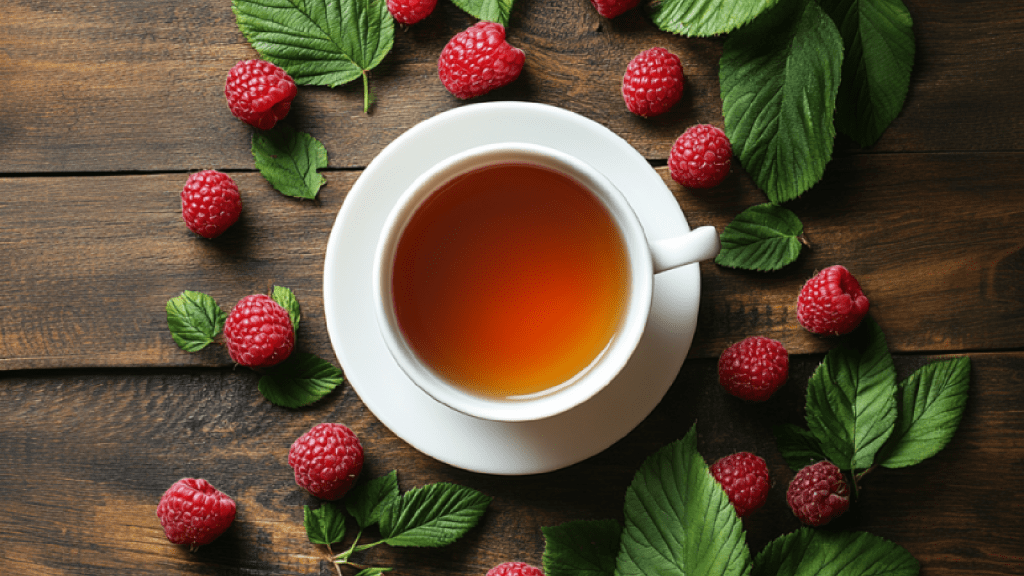
Raspberry leaf has been treasured in European and Western herbal traditions as a classic women’s herb. For generations, herbalists and midwives have used the leaves as a nourishing tonic for menstrual and reproductive wellness.
Rich in naturally occurring minerals, raspberry leaf is traditionally used to nourish and tone the reproductive system. Its mild flavor makes raspberry leaf tea an especially lovely addition to a gentle preconception routine.
5. Ashwagandha
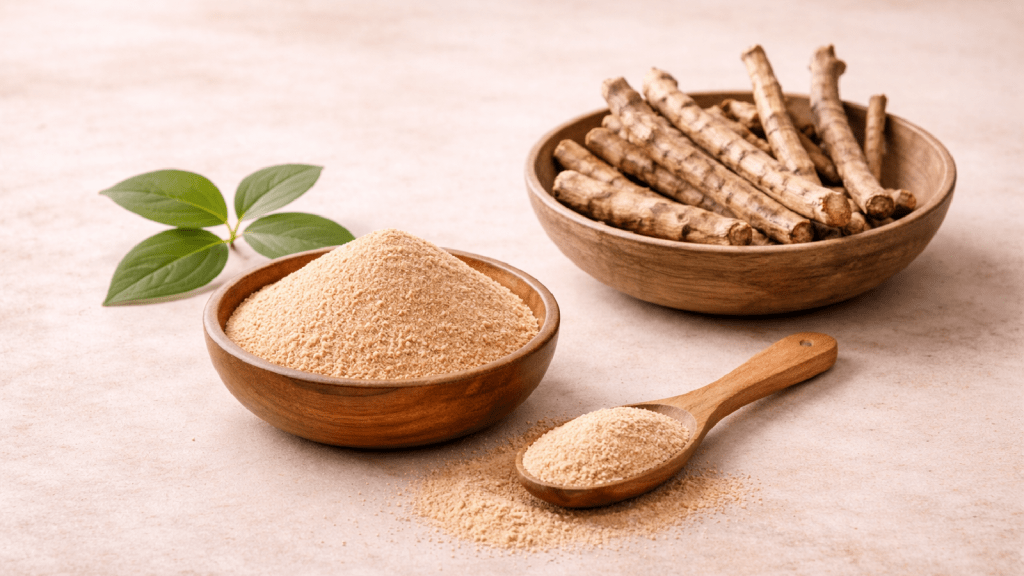
Ashwagandha comes from Ayurveda, where this ancient root has been used for thousands of years as a restorative herb for strength and vitality. It is especially valued during stressful or physically demanding seasons.
Because stress and reproductive wellness are closely connected, ashwagandha offers a different kind of fertility support. Traditionally used to nourish vitality and resilience, it can be enjoyed as a powder stirred into warm drinks or taken as a tincture or capsule.
6. White Peony Root
White peony root, known as Bai Shao in Traditional Chinese Medicine, has a beautiful history within traditional women’s herbal formulas. It has long been used to nourish the blood and support menstrual and reproductive wellness.
Rather than being thought of as a single fertility remedy, white peony is traditionally combined with other Chinese herbs to restore balance within the body. It is available as dried root for traditional preparations, as well as extracts and capsules.ecome a simple little ritual, especially before a heavier meal. And if you’d rather make your own than buy a bottle, my Homemade Digestive Bitters recipe combines traditional bitter herbs into an easy remedy you can keep right in your kitchen.
7. Maca Root
High in the Peruvian Andes, maca has been cultivated for centuries as both a nourishing food and traditional tonic. Andean communities have long valued this hardy root for vitality, stamina, sexual wellness, and reproductive health.
Maca offers a nourishing approach to fertility rather than acting directly on reproductive hormones. Its earthy powder blends easily into smoothies, cacao drinks, or warm herbal lattes, making it simple to weave into a daily wellness ritual.
8. Nettle Leaf
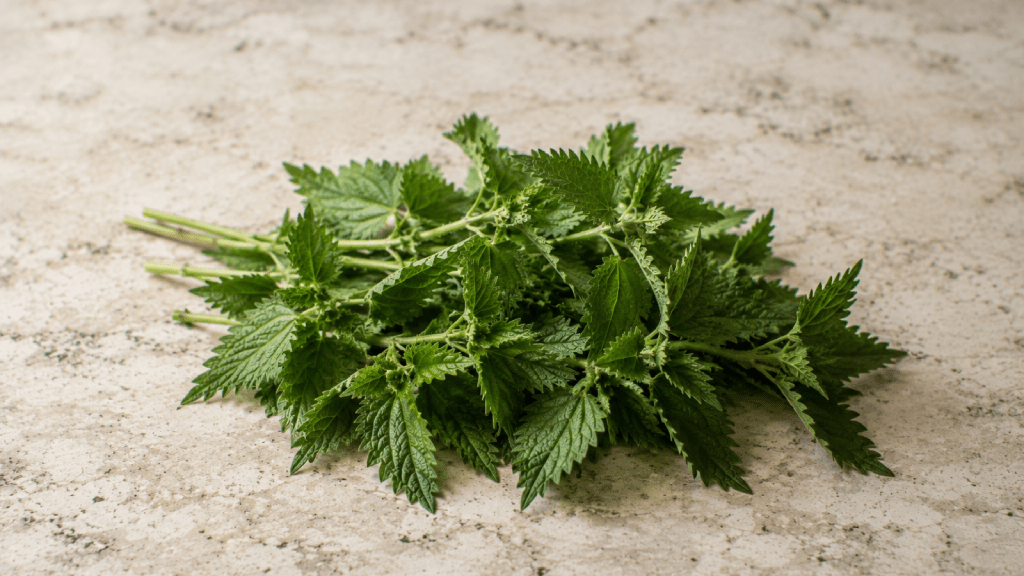
Nettle has deep roots in European and Western herbalism, where it has traditionally been gathered as both food and medicine. Its leaves are naturally rich in minerals, making nettle a beloved nourishing tonic for women.
Rather than targeting fertility directly, nettle helps provide nutritional support for the whole body during preconception. A mineral rich nettle tea or infusion is one of the simplest ways to enjoy this traditional herb regularly.
9. Dandelion Root

Dandelion has been treasured in European, Western, and Chinese herbal traditions for supporting digestion and the liver. Its humble roots have long been used as part of cleansing traditions intended to help the body maintain its natural balance.
For fertility wellness, dandelion takes a whole body approach. Supporting normal liver and digestive function can complement the body’s natural elimination and hormone processing pathways. Roasted dandelion root tea makes an earthy, comforting addition to a preconception wellness routine. body gets on with the quiet work of digestion.
A Traditional Fertility Ritual: Castor Oil Packs
Herbs are not the only traditions women have turned to while preparing for conception. Castor oil packs are a popular holistic ritual, traditionally used over the lower abdomen to encourage warmth, relaxation, and healthy circulation through the pelvic area.
While research specifically connecting castor oil packs to improved fertility is limited, they remain a familiar practice in holistic preconception care.
How to Make a Castor Oil Pack
- Soak the Cloth: Saturate a piece of soft cotton or wool flannel with quality castor oil without leaving it dripping wet.
- Apply & Warm: Place the cloth over the lower abdomen, cover it with an old towel, and add a warm heating pad or hot water bottle.
- Rest: Relax with the pack for about 30 to 45 minutes, then gently clean the skin afterward.
Castor oil packs are generally reserved for preconception and avoided once pregnancy is suspected or confirmed unless recommended by a healthcare professional.
Final Thoughts
Fertility can be such a tender journey, and for me, exploring traditional herbal wisdom became a way of caring for my body while holding onto hope. From dong quai and raspberry leaf to ashwagandha and shatavari, generations of women have turned to plants as part of nourishing the body and supporting reproductive wellness.
There may never be one herb or ritual that holds the entire answer. But a warm cup of herbal tea, nourishing foods, quiet rest, or an evening castor oil pack can become small ways of tending to yourself along the way. Sometimes the gentlest place to begin is simply giving the body a little more nourishment, patience, and wisdom borrowed from generations before us.
Continue Your Wellness Journey
Oil of Oregano + Black Seed Oil
There is something comforting about keeping a few simple remedies close by when the seasons begin to shift. Oil of oregano and black seed oil have both been used in…
Read More
Ruby Red & Remarkable: 8 Reasons to Love Pomegranate
Crack open a pomegranate and you are rewarded with hundreds of glistening ruby jewels, each bursting with that unmistakable mix of sweetness and tartness. It is a fruit that makes…
Read More
Tiny Seeds, Remarkable Benefits: 8 Reasons to Love Flaxseed
Some of nature’s most nourishing foods come in surprisingly small packages. Flaxseeds may be tiny enough to disappear into a bowl of oatmeal, but tucked inside each little seed is…
Read More
