
These 7 “Weeds” Are Secretly Some Of Nature’s Best Remedies
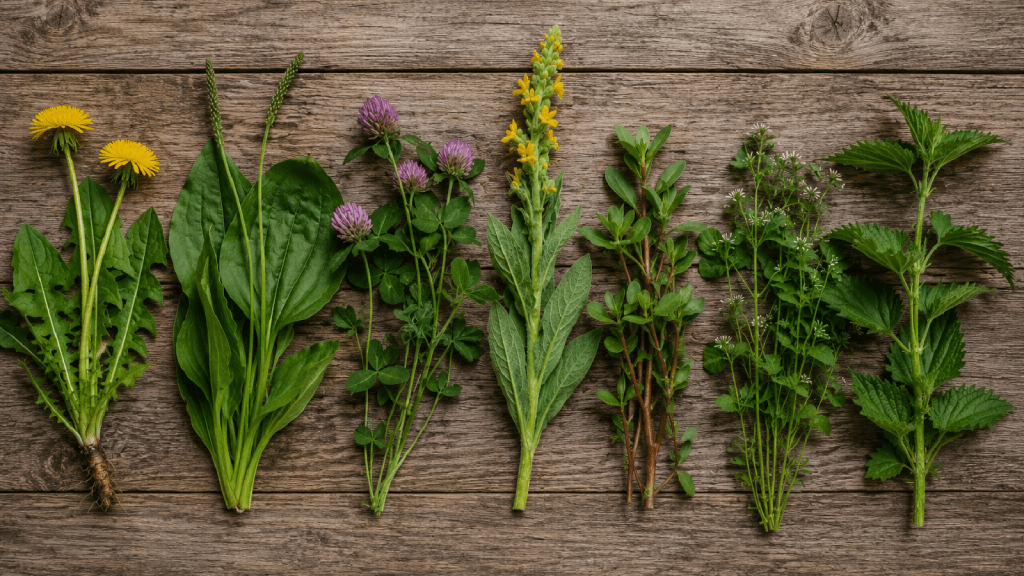
Some of the most nourishing plants rarely grow where they’re invited. They appear between stepping stones, along weathered fences, and in forgotten corners of the yard, quietly returning year after year without asking for much in return.
Many of the plants people pull from gardens, spray along fences, or overlook in sidewalks are quietly filled with remarkable wellness support. These so called weeds grow effortlessly and abundantly, yet many are packed with minerals, antioxidants, and beneficial plant compounds that gently nourish the body in surprising ways.
For generations, herbal traditions have looked to these wild plants to support digestion, skin health, immunity, and overall balance. What grows naturally around you is often far more useful than most people realize, especially when woven into slow daily wellness rituals and nourishing routines.
Learning to recognize these plants changes the way you see the landscape around you. A simple cup of herbal tea, a homemade salve, or a handful of wild greens added to a meal can transform overlooked plants into grounding forms of everyday wellness support.
At a Glance
Reading Time: 8 minutes
Best For: Wild herbal wellness & natural remedies
Focus: Healing plants hiding in plain sight
Enjoy As: Teas, foods, salves, and herbal remedies
Good to Know: Many common weeds have a long history of traditional use
1. Dandelion
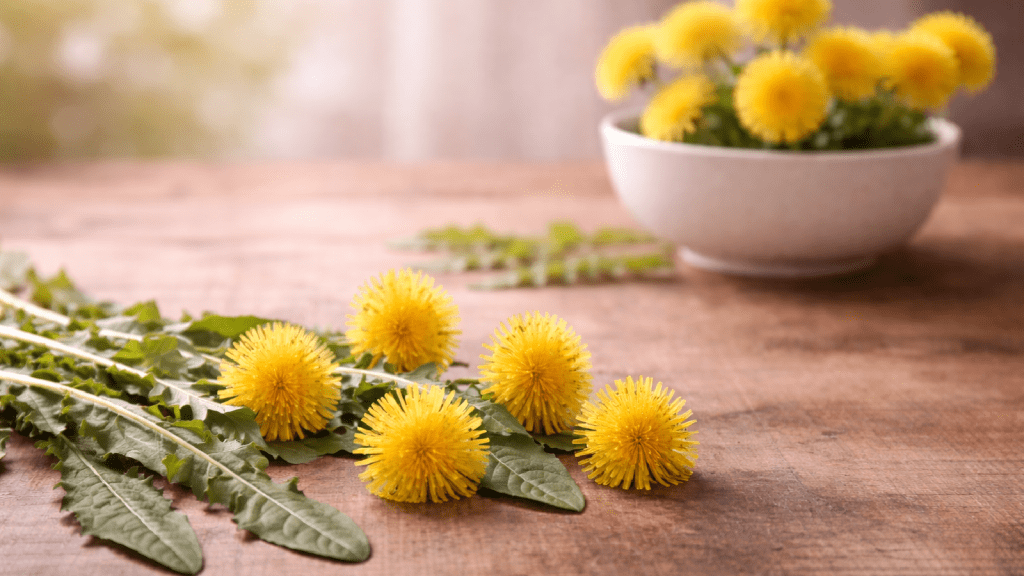
It is easy to dismiss a dandelion until the morning sun catches its bright yellow bloom. What many people see as a stubborn weed has quietly been treasured by herbalists for generations.
Dandelion is one of the most beloved medicinal plants for supporting liver health and gentle natural detoxification. It encourages healthy digestion, helps the body process waste efficiently, and supports a steadier sense of internal balance.
Its roots and leaves are also rich in vitamins and minerals that nourish the body while helping ease occasional puffiness and water retention. Many people enjoy roasted dandelion root tea during slow mornings or add fresh dandelion greens to salads for a slightly bitter, deeply grounding wellness ritual.
2. Plantain
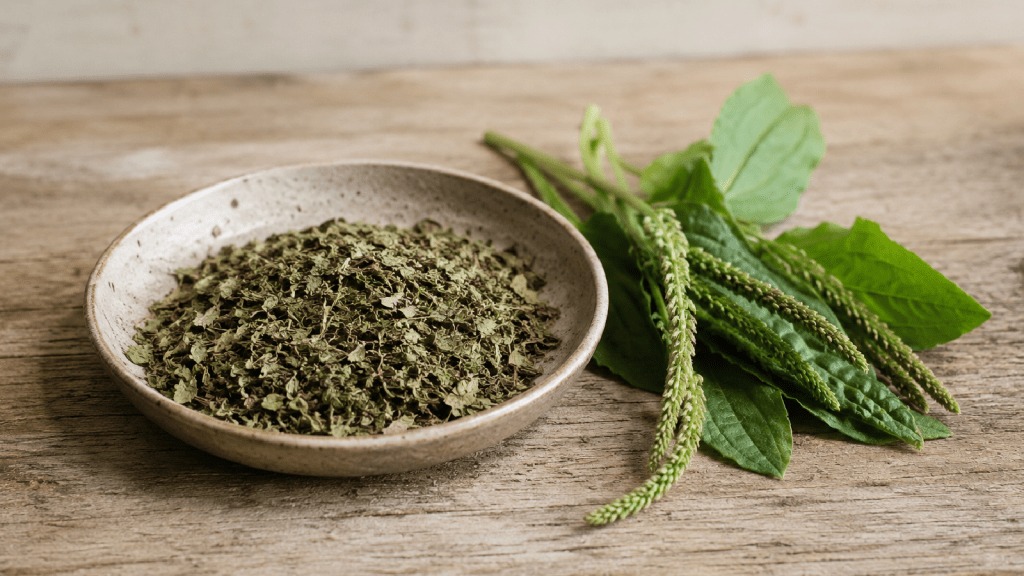
Some of the most comforting remedies are the ones growing beneath your feet. Plantain often appears quietly along walking paths and garden edges, waiting unnoticed until it is needed most.
Plantain has a soothing quality that makes it especially supportive for irritated skin. Traditionally used for bites, rashes, scrapes, and minor wounds, it helps calm inflammation while supporting the skin’s natural healing process.
It also offers gentle support for the respiratory and digestive systems, helping soothe internal irritation in a balanced way. Fresh leaves are often crushed into simple poultices, while warm plantain tea creates a calming herbal ritual during seasonal allergies or digestive discomfort.
3. Red Clover
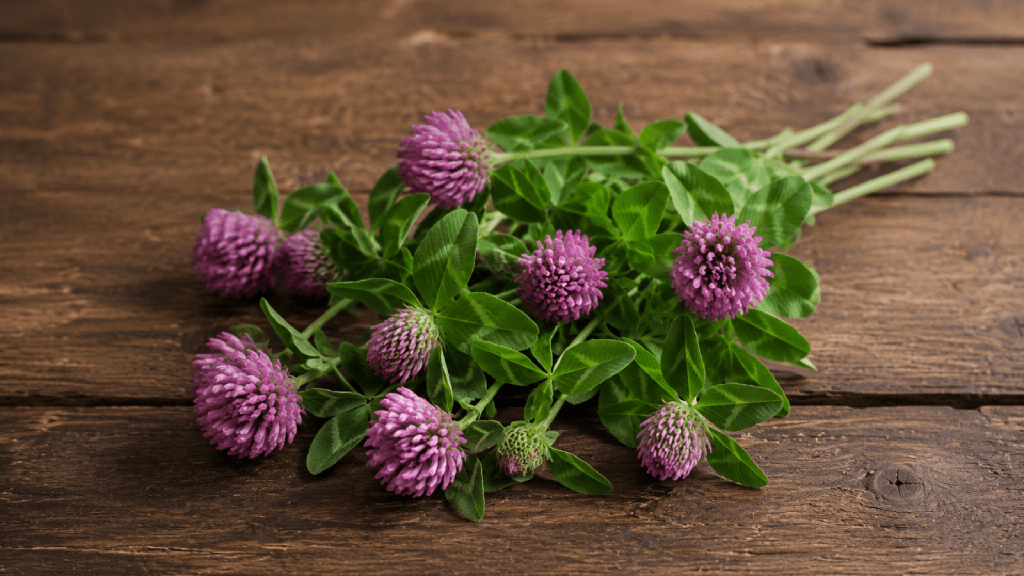
A field sprinkled with red clover has a softness that almost invites you to slow your pace. Its delicate blossoms have long been gathered as both food and gentle medicine.
Red clover is often used during seasons of hormonal change when the body feels slightly out of balance. Rich in naturally occurring phytoestrogens, it has traditionally supported mood, skin clarity, circulation, and overall hormonal wellness.
Its light floral flavor makes it one of the easiest herbs to enjoy regularly. Many people steep the blossoms into calming evening teas or mineral rich herbal infusions that feel comforting and restorative over time.
4. Mullein
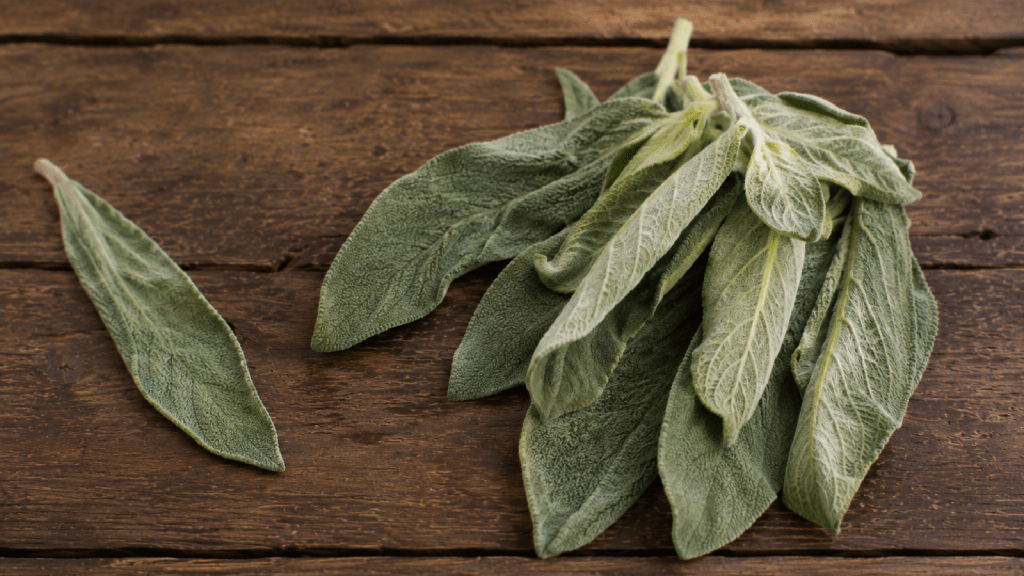
Tall and steady, mullein seems to stand watch over meadows and roadsides throughout the summer. Its soft velvety leaves have quietly supported healthy breathing for generations.
Mullein is deeply connected to respiratory wellness and is especially comforting during cold weather, allergy season, or lingering congestion. Its soothing plant compounds help calm irritation while supporting the lungs as they clear excess mucus.
There is something especially grounding about wrapping your hands around a warm mug of mullein tea when breathing feels heavy or strained. It also shines in homemade herbal syrups paired with honey and other soothing herbs during seasonal wellness routines.
5. Purslane
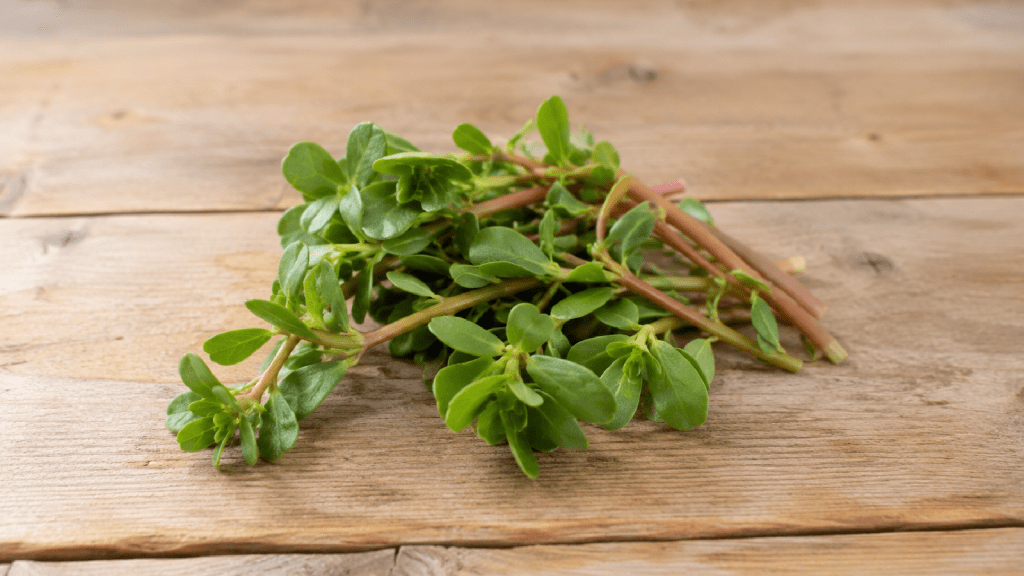
It often grows where nothing else seems interested in thriving. Tucked between sidewalk cracks or spreading across warm garden soil, purslane quietly gathers remarkable nutrition from the simplest places.
Purslane is one of the most nutrient dense wild plants available. Rich in omega 3 fatty acids, antioxidants, and essential minerals, it supports heart health, hydration, and a healthy inflammatory response while nourishing the body from within.
Its crisp texture and refreshing flavor make it easy to incorporate into everyday meals. Tossed into salads, blended into smoothies, or lightly sautéed with vegetables, purslane brings a fresh, cooling element to warm weather meals.
6. Chickweed
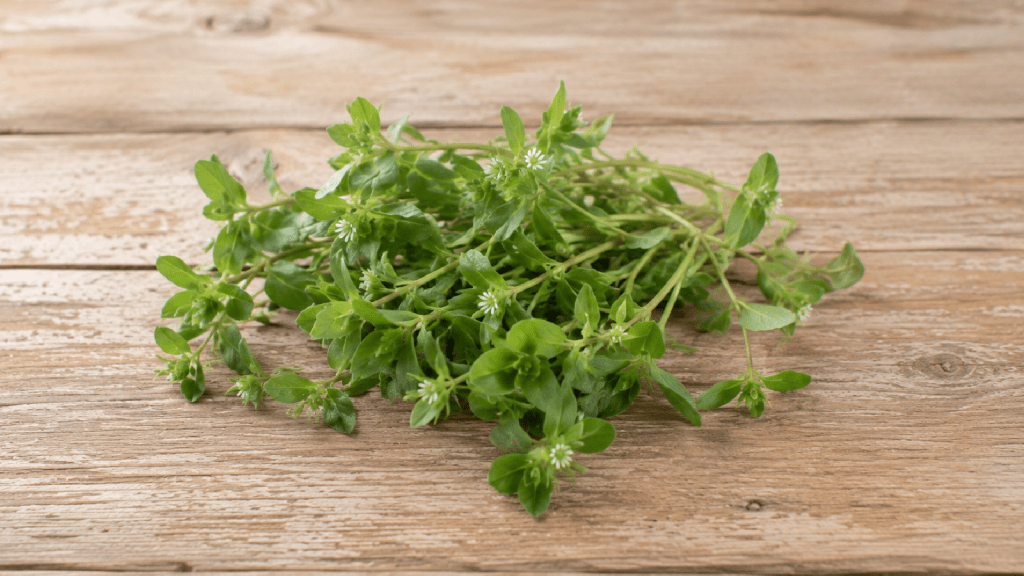
Spring often introduces chickweed before many gardens have fully awakened. Its delicate green stems seem almost too fragile to notice, yet they have long been valued in traditional herbal wellness.
Chickweed has a naturally cooling nature that makes it especially comforting for itchy or irritated skin. Traditionally used in salves, infused oils, and herbal preparations, it helps calm inflammation while supporting gentle skin repair.
Internally, chickweed is often enjoyed when the body feels overheated, inflamed, or sluggish. A warm cup of chickweed tea or a fresh herbal infusion offers quiet support during times when the body needs a little extra gentleness.
7. Nettle
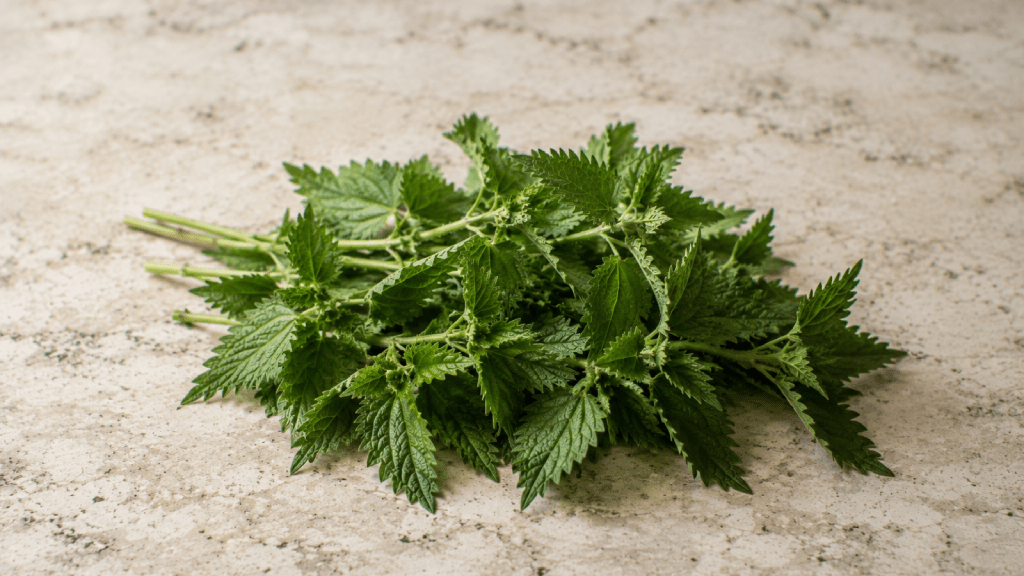
At first glance, nettle demands a little respect. Hidden beneath its tiny stinging hairs is one of nature’s most nourishing wild herbs, rewarding careful hands with remarkable wellness benefits.
Nettle is exceptionally rich in minerals like iron, magnesium, calcium, and potassium. These nutrients help support energy, circulation, immune function, and overall vitality while gradually replenishing the body.
Many people enjoy nettle as part of grounding daily wellness rituals, especially as mineral rich herbal teas or nourishing broths. Its earthy flavor pairs beautifully with slow mornings, cozy kitchens, and simple routines focused on long term wellness.
Final Thoughts
Once you begin learning the language of wild plants, every walk starts to feel a little different. The weeds pushing through garden beds and along quiet trails become gentle reminders that nature has been offering support all along.
These simple plants invite us back to slower rhythms and more mindful wellness habits. Whether brewed into a warm herbal tea, blended into a nourishing meal, or transformed into a homemade remedy, they remind us that some of the most meaningful forms of healing often grow in the most unexpected places.
Continue Your Wellness Journey

Castor Oil Packs: An Old Fashioned Wellness Ritual
Warmth, stillness, and a little time set aside for yourself can turn a very simple remedy into something that feels surprisingly restorative. Castor oil packs have been used for generations…
Read More
Bentonite Clay Bug Bite Paste
There is nothing quite like the relentless itch of a fresh bug bite. One tiny mosquito, fly, or other unwelcome visitor can leave behind a swollen little spot that suddenly…
Read More
Feeling Bloated? 7 Natural Remedies to Soothe Your Stomach
Some days, your favorite meal leaves you feeling warm and satisfied. Other days, it leaves your waistband feeling a little tighter and your stomach wondering what exactly went wrong. That…
Read More
