
6 Holistic Techniques for Anxiety Relief
Anxiety can affect both the mind and body, creating racing thoughts, muscle tension, shallow breathing, and persistent stress. Many people search for natural remedies for anxiety and natural ways to calm the nervous system when daily pressure begins to feel overwhelming.
While herbs and supplements can offer support, some of the most effective natural anxiety relief techniques are simple practices that work directly with the nervous system. These methods help shift the body out of fight-or-flight mode and guide it back toward a calmer, more balanced state.
In this guide, you’ll discover natural ways to reduce anxiety and stress that support deeper breathing, release physical tension, and quiet mental overwhelm. With regular practice, these gentle habits can help retrain the nervous system, improving emotional resilience, mental clarity, and long-term well-being.
Here are six simple, natural techniques that can help ease anxiety, calm the nervous system, and support a more balanced emotional state over time.
1. Breathwork

Breathwork is one of the fastest and most effective natural ways to calm anxiety and relax the nervous system. Techniques such as box breathing, 4-7-8 breathing, or slow, steady breathing help guide the body out of fight-or-flight mode and into a more relaxed state.
These practices increase oxygen flow, release muscle tension, and signal to the brain that it is safe to slow down. Even a few minutes of focused breathing can ease stress and restore calm. With regular practice, breathwork can strengthen your stress response, support better sleep, and help you feel more grounded over time.
2. Moderate Movement
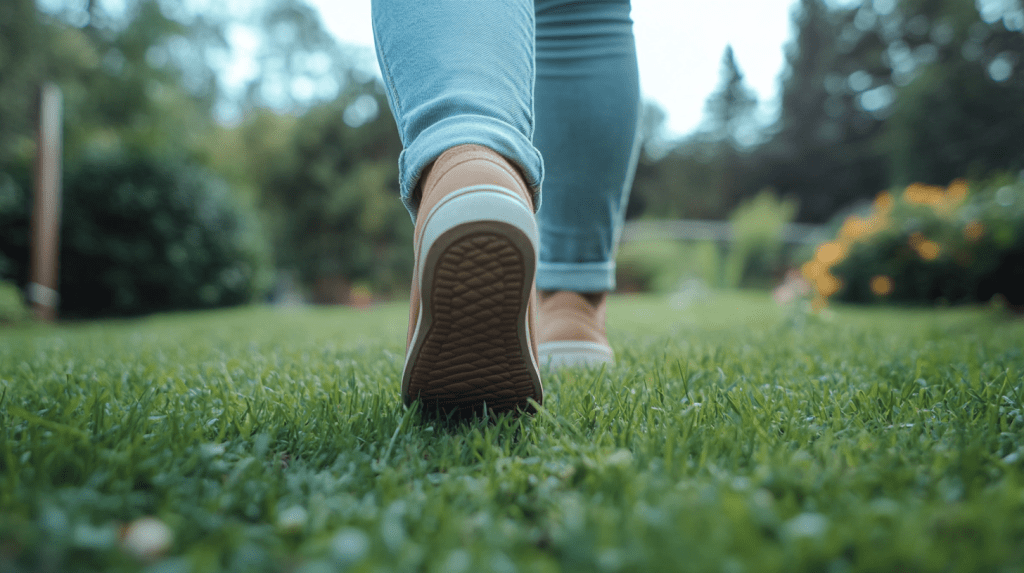
Movement is one of the simplest ways to reduce anxiety naturally. Physical activity lowers stress hormones and releases endorphins, the body’s natural mood boosters, helping create a calmer and more balanced state. Gentle activities such as walking, stretching, yoga, or light cycling can help regulate the nervous system while releasing built-up tension.
Regular movement also improves sleep, eases muscle tightness, and supports mental clarity. By keeping energy circulating through the body, it helps prevent anxious feelings from building up. Even short periods of daily movement can help reset the nervous system and make it easier to approach challenges with a steadier, more relaxed mindset.
3. Warm Herbal Baths
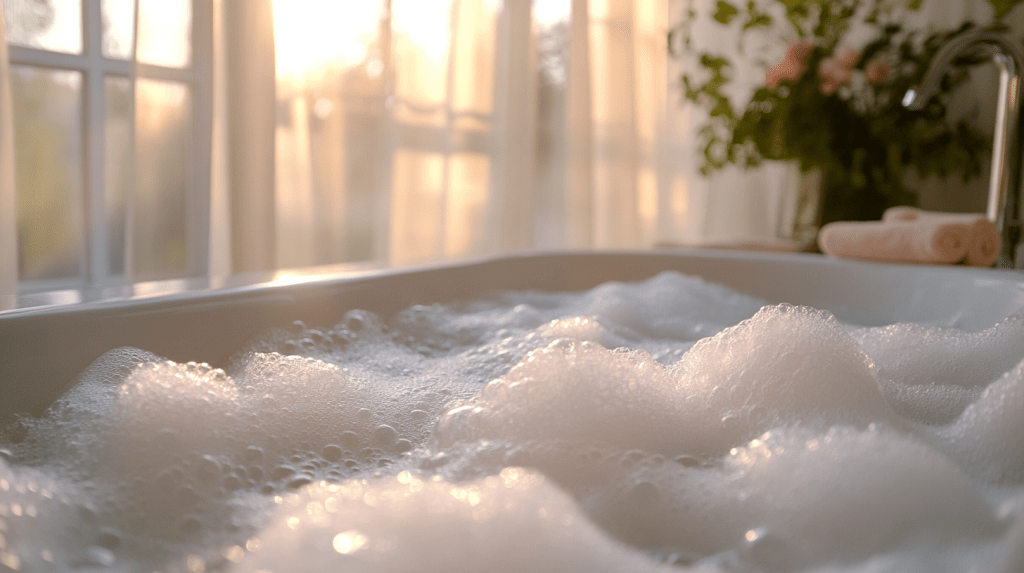
Warm baths are naturally soothing, and adding herbal elements can make them even more effective for easing anxiety. Epsom salts provide magnesium through the skin, helping muscles relax and tension soften. Herbs like lavender, chamomile, or eucalyptus add calming aromas that signal the body it is safe to unwind.
These herbal baths can also support the nervous system by slowing the heart rate and encouraging deeper, steadier breathing. Over time, this simple ritual can become a comforting way to reduce stress, promote emotional calm, and support more restful sleep.
4. Journaling

Journaling offers a gentle way to release anxious thoughts by giving them a place to land outside your mind. Writing down worries, emotions, or racing ideas can clear mental clutter and bring greater clarity, helping overwhelming feelings feel more manageable.
Over time, journaling can also reveal patterns and triggers behind stress or anxiety. This awareness makes it easier to respond thoughtfully rather than react emotionally. Even a few quiet minutes of writing can support calm, strengthen self-awareness, and create a steadier sense of emotional balance.
5. Nature Exposure
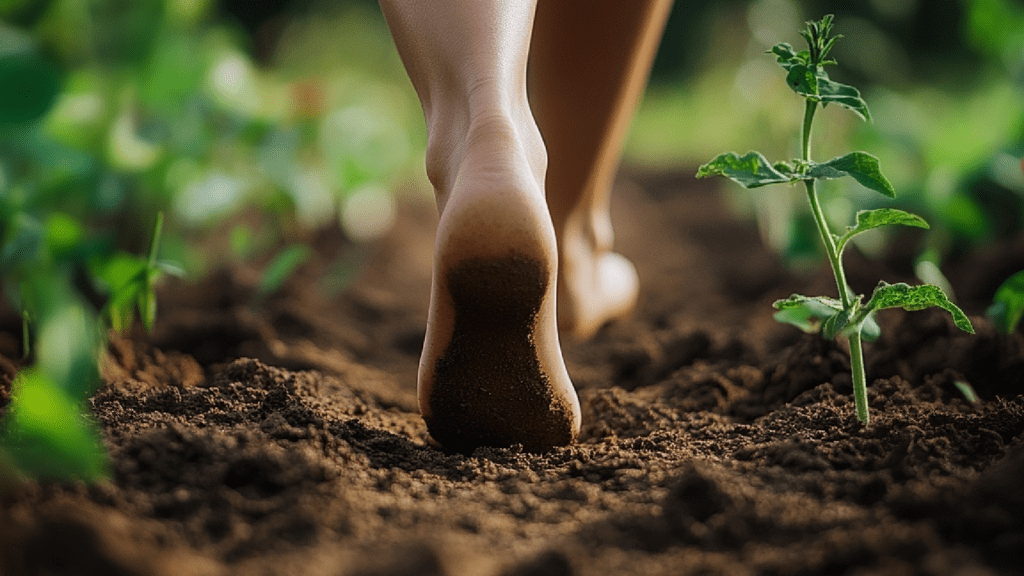
Nature has a quiet but powerful way of easing anxiety and bringing the mind back to the present. Spending even 10 to 15 minutes outdoors, walking, sitting under a tree, or simply breathing fresh air, can help lower stress hormones and calm racing thoughts.
Natural surroundings signal to the body that it is safe to relax, helping settle the nervous system and restore a grounded emotional state. Regular time outside also supports long-term resilience, as sunlight lifts mood, gentle movement releases tension, and natural sounds help quiet the mental noise of daily life.
6. Aromatherapy
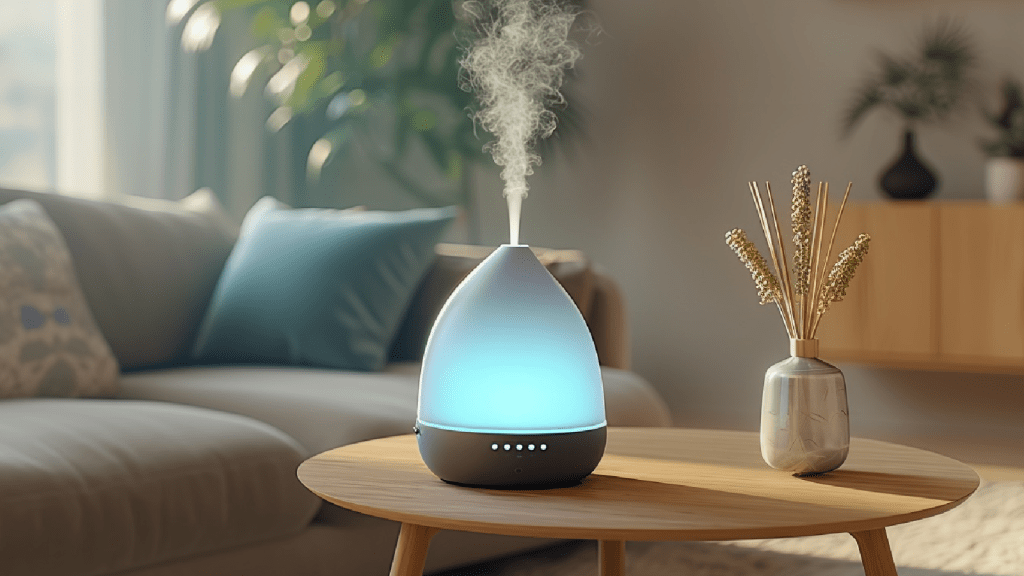
Aromatherapy uses plant-based essential oils to gently calm the nervous system and ease anxious feelings through the sense of smell. Scents such as lavender, bergamot, chamomile, frankincense, and ylang-ylang interact with brain centers that regulate mood and stress responses, helping encourage a sense of calm.
Essential oils can be diffused in a room, added to a warm bath, or applied in diluted form to pulse points for a soothing effect. When used regularly, aromatherapy may support relaxation, improve sleep quality, and promote emotional balance. Pairing calming scents with daily rituals like meditation or breathwork can make relaxation feel more natural.
Final Thoughts
Your heart thrives on steady, daily support rather than occasional attention. Herbs that encourage healthy circulation, calm inflammation, and support balanced blood pressure can gently nourish cardiovascular function while working in harmony with the body.
Small, consistent habits often create the most lasting results. Incorporating herbs such as garlic, cinnamon, or hawthorn into meals or daily rituals can gradually strengthen cardiovascular resilience. Over time, these natural allies help support smoother circulation, balanced energy, and a heart that remains strong for years to come.
 Mama’s Natural Journey