7 Vitamin D Sources to Restore Your Levels Naturally

Vitamin D deficiency has quietly become one of the most common nutritional gaps in modern life. With more time spent indoors, regular sunscreen use, and long hours in front of screens, many people receive far less sunlight than previous generations. Even those who eat well and stay active can struggle to maintain healthy vitamin D levels.
Often called the “sunshine vitamin,” vitamin D plays an essential role in overall health. It supports immune function, strengthens bones, helps regulate mood, and contributes to steady energy levels throughout the day. When levels fall too low, the body may feel more prone to fatigue, frequent illness, and slower recovery.
Low vitamin D levels can show up through subtle signs such as low mood, muscle weakness, poor immunity, or lingering tiredness. Learning how to increase vitamin D naturally through sunlight and natural vitamin D sources can help restore balance, strengthen resilience, and support long-term wellness.
At a Glance
Reading Time: 7 minutes
Best For: Vitamin D, immunity, & bone health
Focus: Restoring vitamin D naturally
Enjoy As: Sunlight, foods, and nutrient rich sources
Good to Know: Regular sunlight & nourishing foods can support healthy levels
1. Sunlight

Sunlight is one of the most natural and effective vitamin D sources available. When sunlight reaches the skin, it triggers the body to begin producing vitamin D naturally. This process supports immune function, hormone balance, mood stability, and steady energy throughout the day.
Midday sunlight is often most effective because UVB rays are strongest at this time. Spending about 10 to 30 minutes outdoors with your arms, legs, or face exposed a few times each week can help maintain healthy vitamin D levels. Short, consistent sun exposure supports natural vitamin D production while also improving mood, resilience, and overall vitality.
2. Fatty Fish
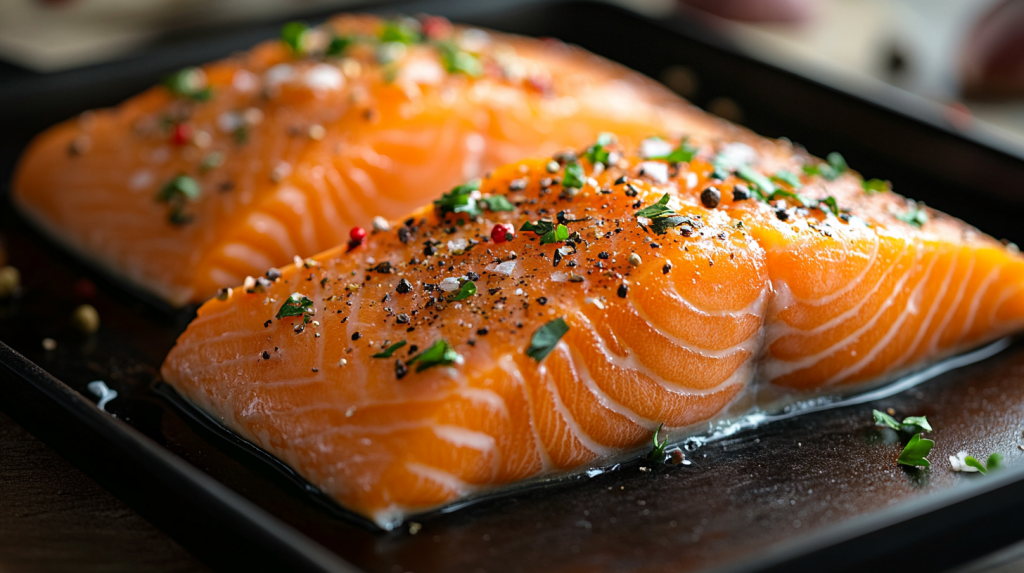
Fatty fish are among the richest natural vitamin D sources in food. They provide vitamin D3, the form the body absorbs and uses most efficiently. This makes them especially helpful for supporting healthy vitamin D levels while also promoting immune strength, bone health, and balanced metabolism.
Salmon, sardines, mackerel, and herring are excellent choices, particularly when wild-caught. These fish naturally contain higher vitamin D levels and also provide omega-3 fatty acids that support heart health, brain function, and balanced inflammation. Including fatty fish in meals a few times each week can help maintain steady vitamin D intake while supporting overall wellness.
3. Cod Liver Oil

Cod liver oil has long been used as a traditional remedy for supporting overall health. It provides a concentrated natural source of vitamin D along with vitamin A and omega-3 fatty acids. Together, these nutrients help strengthen immunity, support bone health, and promote whole-body resilience.
Even a small daily serving delivers a meaningful dose of vitamin D, making cod liver oil especially helpful during winter months or times of limited sun exposure. With consistent use, many people notice steadier energy, improved immune support, and better overall balance as the body restores healthy vitamin D levels.
4. Egg Yolks
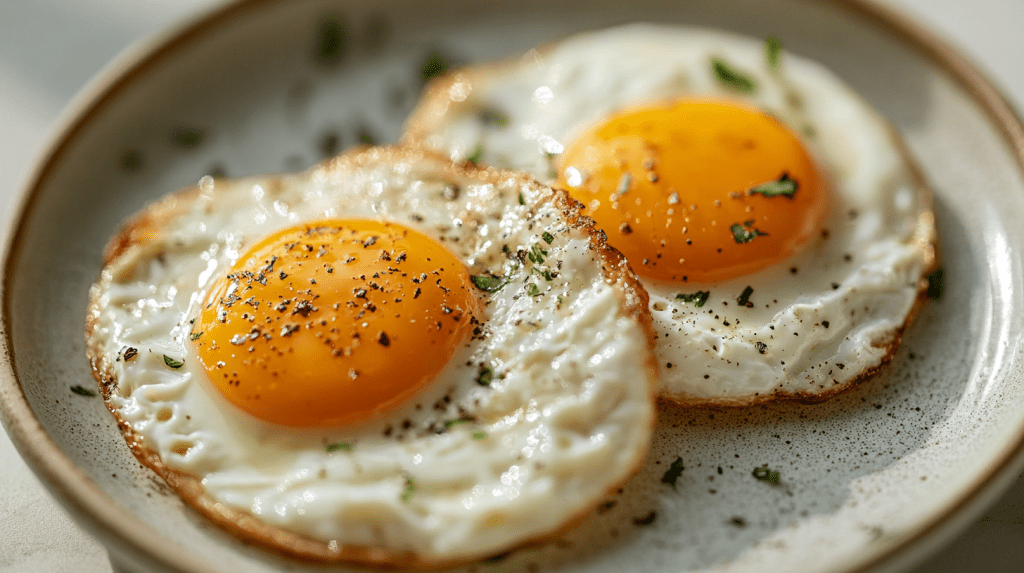
Egg yolks are a natural food source of vitamin D along with healthy fats and essential nutrients. Unlike egg whites, most of the vitamins are concentrated in the yolk. Including whole eggs in your meals provides more complete nourishment and supports balanced nutrition throughout the day.
Pasture-raised eggs often contain higher vitamin D levels because hens spend time outdoors in natural sunlight. This exposure improves the nutrient quality of the eggs, making them a richer source of vitamins. Choosing pasture-raised eggs can provide stronger nutritional support while helping maintain healthier vitamin D levels over time.
5. Sun-Exposed Mushrooms
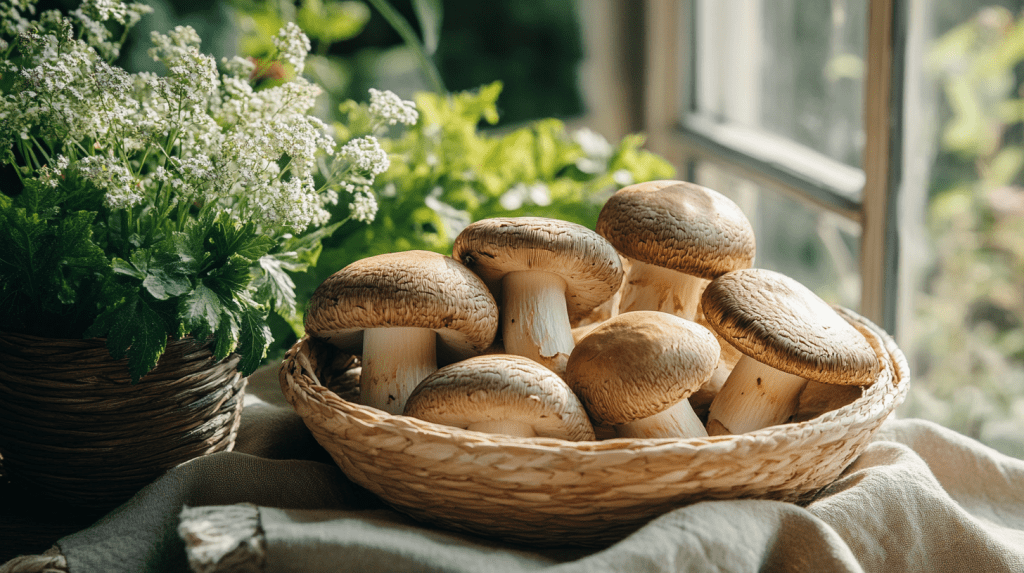
Mushrooms are unique because they can produce vitamin D when exposed to sunlight, making them one of the few plant-based vitamin D sources. Like human skin, mushrooms naturally create vitamin D when they absorb UV light, allowing them to contribute to healthy vitamin D intake in a gentle, food-based way.
Varieties such as maitake, portobello, and UV-exposed mushrooms tend to contain the highest levels. While mushrooms provide vitamin D2 rather than D3, they can still help support overall vitamin D status. Including them regularly in meals adds both nutrition and flavor while helping support immune health and balanced vitamin D intake.
6. Grass-Fed Dairy

Grass-fed dairy contains small but meaningful amounts of natural vitamin D. When cows spend time outdoors in sunlight, the nutrient content of their milk improves. Because of this, grass-fed dairy products often provide better nutritional support than many conventional dairy options.
These foods also contain healthy fats that help the body absorb vitamin D more efficiently. This natural combination of nutrients supports stronger bones, immune function, and metabolic balance. Including quality grass-fed dairy in a balanced diet can help support steady vitamin D intake and overall wellness.
7. Beef Liver
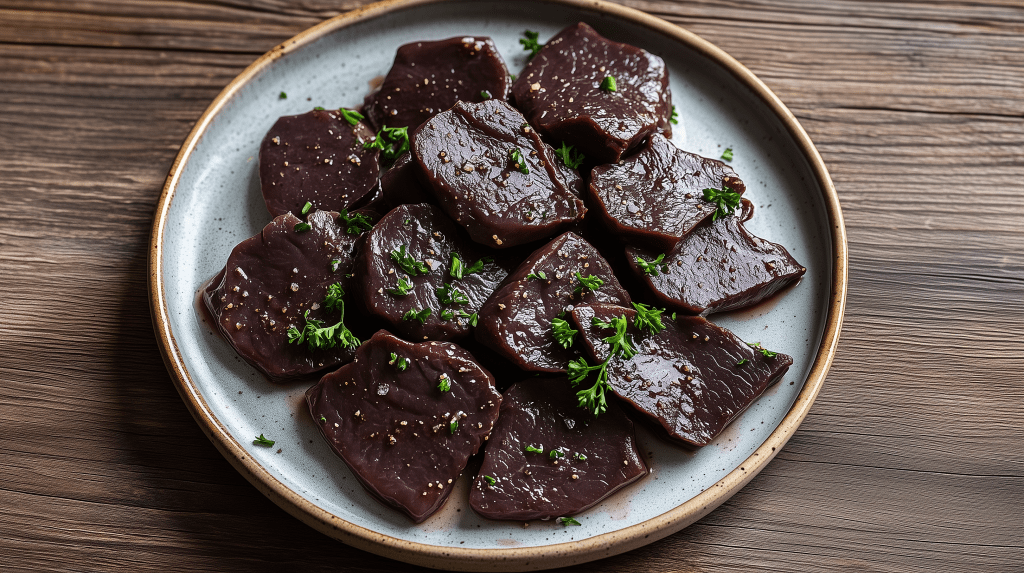
Beef liver is one of the most nutrient-dense foods available. It provides vitamin D along with iron, vitamin A, and essential B vitamins that support energy production, immune health, and cellular repair. This powerful combination helps nourish the body and strengthen overall vitality.
Because liver contains such concentrated nutrients, even small servings can deliver meaningful nutritional support. These vitamins and minerals work together to support metabolic function, healthy blood production, and stronger immunity, helping the body maintain balanced vitamin levels and long-term resilience.
Final Thoughts
Vitamin D plays a central role in immune strength, mood balance, bone health, and steady energy. Yet modern indoor lifestyles often limit sun exposure, making deficiency more common than many people realize. Supporting your levels naturally through sunlight and nutrient-rich foods helps your body regain balance and maintain long-term wellness.
Small, consistent habits make the greatest difference over time. Spending time outdoors, choosing nourishing foods, and building simple daily routines can gradually restore healthy vitamin D levels. With steady support, your body becomes stronger, more resilient, and better equipped to maintain overall vitality.
Continue Your Wellness Journey
Oil of Oregano + Black Seed Oil
There is something comforting about keeping a few simple remedies close by when the seasons begin to shift. Oil of oregano and black seed oil have both been used in…
Read More
Ruby Red & Remarkable: 8 Reasons to Love Pomegranate
Crack open a pomegranate and you are rewarded with hundreds of glistening ruby jewels, each bursting with that unmistakable mix of sweetness and tartness. It is a fruit that makes…
Read More
Tiny Seeds, Remarkable Benefits: 8 Reasons to Love Flaxseed
Some of nature’s most nourishing foods come in surprisingly small packages. Flaxseeds may be tiny enough to disappear into a bowl of oatmeal, but tucked inside each little seed is…
Read More
