
7 Vitamin D Sources to Restore Your Levels Naturally

Vitamin D deficiency has quietly become one of the most common modern health gaps. Winter months, indoor work, sunscreen use, and screen-focused lifestyles limit sun exposure. Even people who eat well and stay active often struggle to maintain healthy levels.
According to the National Institutes of Health, about 35% of adults in the United States have low vitamin D levels. This nutrient supports immune strength, bone health, mood balance, and energy. Restoring it naturally can help your body feel stronger, steadier, and more resilient.
Low vitamin D levels can show up in subtle but meaningful ways. Frequent illness, fatigue, low mood, muscle weakness, and slow recovery are common signs. Supporting your body with natural vitamin D sources helps restore balance, strengthen defenses, and improve overall vitality from within.
1. Sunlight

Sunlight is the most natural and efficient way to restore vitamin D levels. When sunlight touches your skin, your body begins producing vitamin D immediately. This process supports immunity, hormone balance, and energy in ways food alone cannot fully replace.
Midday sunlight is especially effective because UVB rays are strongest during this time. Just 10 to 30 minutes of direct sun on your arms, legs, or face several times per week can help your body maintain healthy, stable vitamin D production naturally.
Consistent exposure matters more than long exposure. Short, regular time outdoors helps your body stay balanced without overwhelming your skin. Even gentle daily sunlight can gradually restore levels and improve mood, immune strength, and overall vitality.
2. Fatty Fish
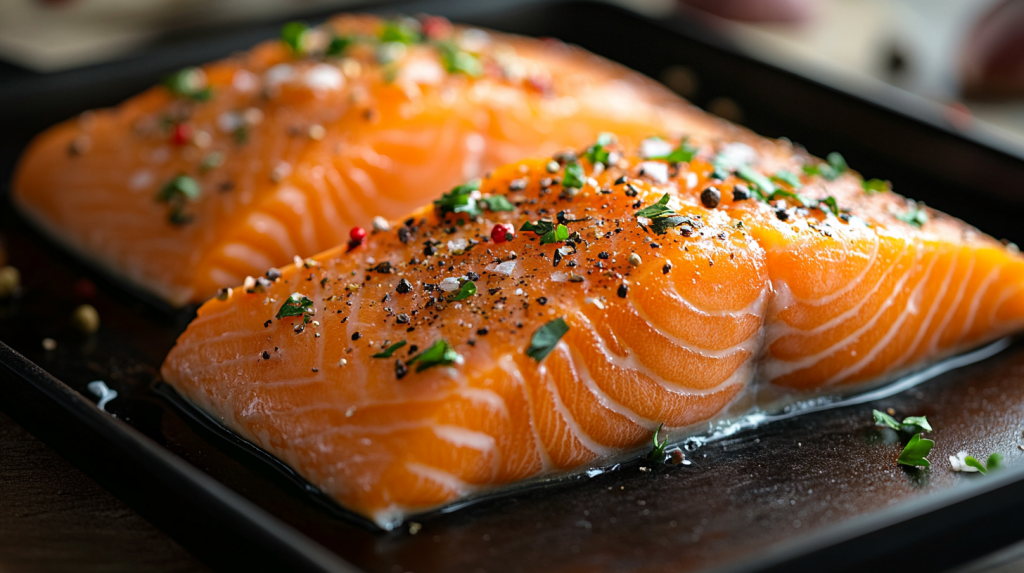
Fatty fish are among the richest natural food sources of vitamin D. They provide vitamin D3, the form your body uses most efficiently. This makes fish especially helpful for restoring low levels and supporting long-term immune and bone health.
Salmon, sardines, mackerel, and herring are excellent choices. Wild-caught fish often contain higher vitamin D levels because they develop naturally in sunlight. These fish also provide omega-3 fats that support heart health, brain function, and inflammation balance.
Adding fatty fish two or three times per week can make a meaningful difference. Even small portions provide powerful nutritional support. Over time, this simple habit helps strengthen your body’s foundation and maintain healthier vitamin D levels naturally.
3. Cod Liver Oil

Cod liver oil has been used for generations as a traditional wellness remedy. It provides a highly concentrated natural source of vitamin D, along with vitamin A and omega-3 fatty acids. These nutrients work together to support immunity and overall resilience.
Just one teaspoon provides a significant amount of vitamin D. This makes it especially helpful during winter months or periods of limited sun exposure. It offers a reliable way to restore levels when sunlight alone is not enough.
Many people notice improved energy and immune strength with consistent use. Its nourishing properties support multiple systems at once. This simple addition can help restore balance and protect your body through seasonal and lifestyle changes.
4. Egg Yolks

Egg yolks contain natural vitamin D along with healthy fats and essential nutrients. Unlike egg whites, the yolk holds most of the vitamins. Including whole eggs helps your body receive more complete nourishment and stronger nutritional support.
Pasture-raised eggs often contain higher vitamin D levels because hens are exposed to natural sunlight. This sunlight increases the nutrient content of the eggs. Choosing higher quality eggs can provide greater benefits for your health and energy.
Eggs are easy to include in daily meals. They provide steady nutritional support without requiring major dietary changes. Regularly eating whole eggs helps strengthen your nutrient intake and supports healthier vitamin D levels over time.
5. Sun-Exposed Mushrooms
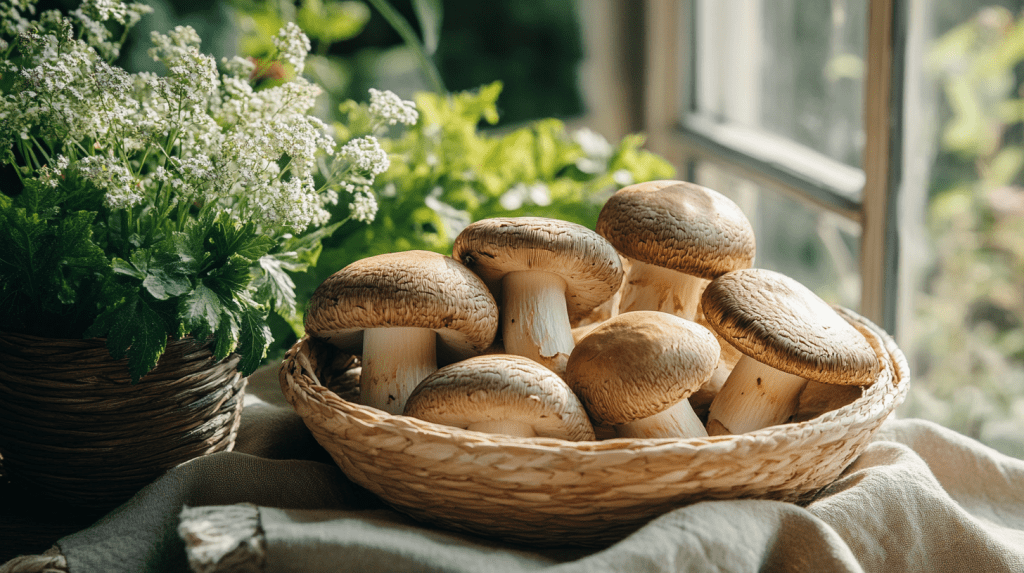
Mushrooms are unique because they produce vitamin D when exposed to sunlight. This makes them one of the few plant-based sources available. Their ability to absorb light allows them to support vitamin D intake naturally.
Varieties like maitake, portobello, and UV-exposed mushrooms provide the highest levels. While they contain vitamin D2 instead of D3, they still help improve overall levels. Including them regularly supports a more complete nutrient foundation.
Mushrooms are versatile and easy to add to meals. They support immune strength, cellular health, and overall balance. Over time, this gentle plant source helps strengthen your body’s natural defenses and nutritional stability.
6. Grass-Fed Dairy

Grass-fed dairy contains small but meaningful amounts of natural vitamin D. When animals spend time outdoors, sunlight increases the nutrient content of their milk. This makes grass-fed dairy more supportive than conventional options.
Butter, milk, and cheese from grass-fed sources provide additional nutritional support. These foods also contain healthy fats that help your body absorb vitamin D more effectively. Fat improves the body’s ability to use this nutrient properly.
Including moderate amounts of quality dairy can support overall nutrient balance. These foods provide steady nourishment that supports bones, immunity, and energy. Consistent intake helps maintain stronger vitamin D levels naturally.
7. Beef Liver
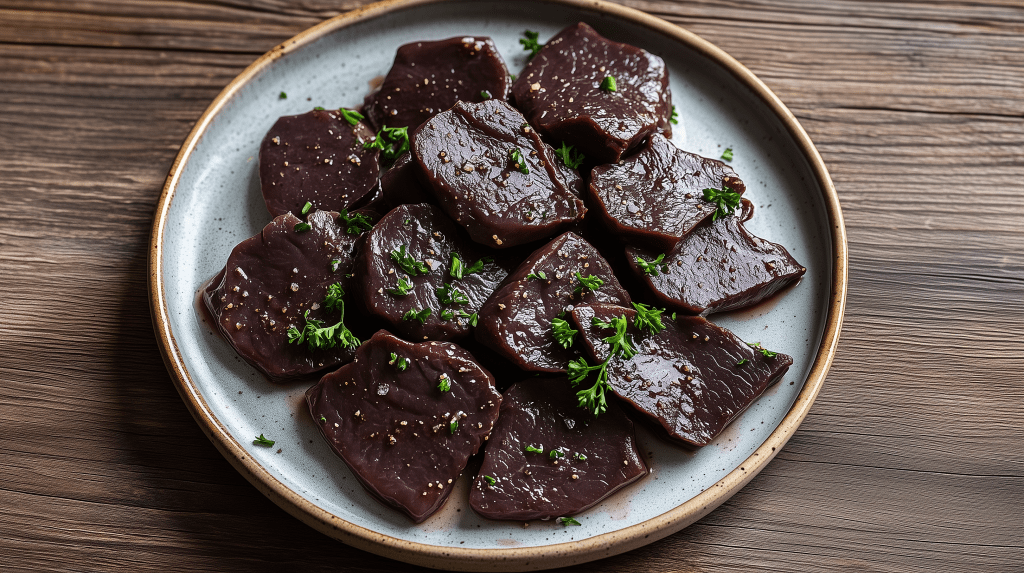
Beef liver is one of the most nutrient-dense foods available. It contains vitamin D along with iron, vitamin A, and essential B vitamins. These nutrients support energy production, immune strength, and cellular repair.
Even small portions provide powerful nutritional benefits. Liver supports multiple systems that depend on proper vitamin levels. This makes it especially helpful for restoring deficiencies and strengthening overall health naturally.
While it may not be eaten daily, occasional consumption provides meaningful support. Its concentrated nutrients help restore balance and improve resilience. Including it periodically helps maintain stronger vitamin D and overall wellness.
Final Thoughts
Vitamin D plays a central role in immune strength, mood, bone health, and energy. Modern indoor lifestyles make deficiency more common than ever. Restoring levels naturally through sunlight and nourishing foods helps your body return to balance.
Small, consistent habits create lasting change. Time outdoors, nutrient-dense foods, and simple daily choices work together to strengthen your foundation. Supporting your vitamin D levels naturally helps your body feel stronger, steadier, and more resilient every day.
 Mama’s Natural Journey