
10 Gentle Remedies That Help Calm An Overstimulated Nervous System

Some days stress settles into the body before you even realize it. Racing thoughts, restless sleep, tight shoulders, and that lingering feeling of being emotionally “on” all the time can leave the nervous system feeling exhausted. In a world filled with constant stimulation, many people are searching for gentler ways to calm anxiety and feel grounded again.
The nervous system was never meant to stay in survival mode from morning until night. Yet endless notifications, overstimulation, caffeine, emotional stress, and poor sleep can slowly leave the body feeling wired, drained, and disconnected from calm. When this happens, even quiet moments can feel difficult to fully settle into.
The good news is that the nervous system responds beautifully to steady support and comforting rituals. A warm herbal tea at night, a calming mineral bath, or a slower morning routine can help the body feel safe enough to soften again. Over time, these gentle habits help restore balance in quiet but meaningful ways.
At a Glance
Reading Time: 10 minutes
Best For: Overstimulation, stress, and finding calm
Focus: Gentle nervous system support
Enjoy As: Teas, supplements, baths, and calming drinks
Good to Know: Small calming rituals can help the body unwind
1. Ashwagandha

Ashwagandha has a grounding quality that feels especially supportive during stressful or emotionally draining seasons of life. This adaptogenic herb helps the body regulate cortisol, the primary stress hormone linked to tension, poor sleep, irritability, and that exhausted but overstimulated feeling many people know too well.
Many people enjoy ashwagandha as part of a calming evening ritual. Stirred powder into warm herbal lattes, blended into smoothies, or taken as a tincture before bed, it offers steady support that helps the body adapt to stress more gently over time.
2. Magnesium
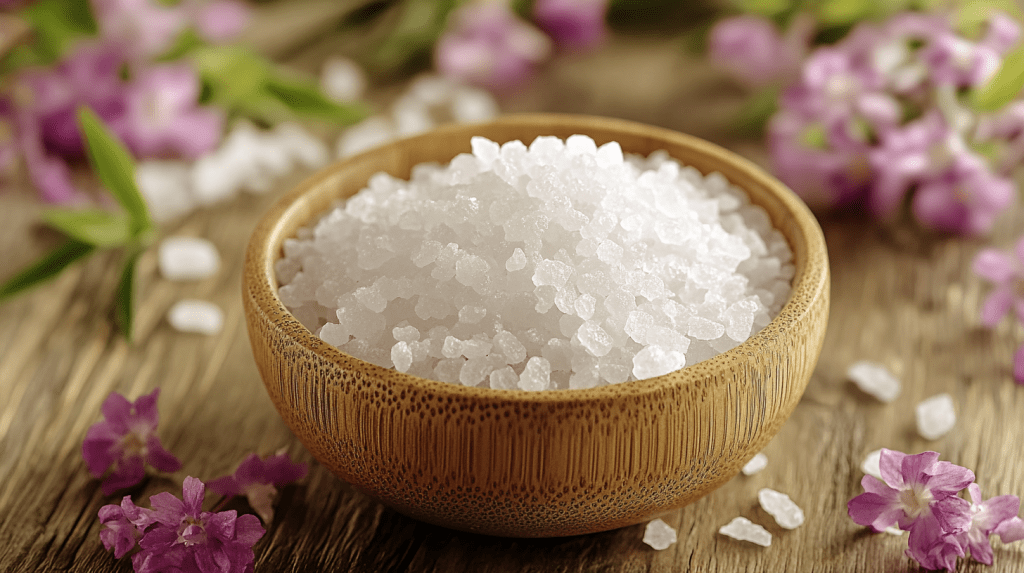
There is something deeply comforting about sinking into a warm magnesium bath after a long day. Magnesium is often called the relaxation mineral because it helps calm the body and nervous system, easing muscle tension, mental fatigue, restless sleep, and that physically “wound up” feeling stress often creates.
Many people are unknowingly low in magnesium, especially during periods of chronic stress. Magnesium glycinate is one of the gentlest forms for daily support, while Epsom salt baths and magnesium lotions create soothing nighttime rituals that help the body finally relax and slow down.
3. Chamomile
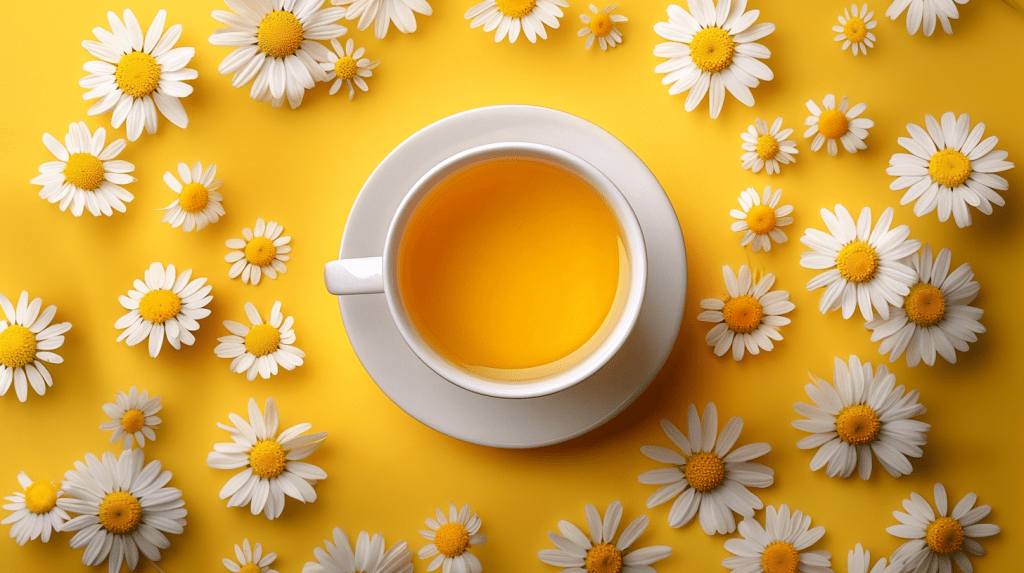
Chamomile has long been connected to quiet evenings and slow moments of rest. A warm mug of chamomile tea has a way of softening the mood of an entire room, helping racing thoughts settle while bringing gentle calm to an overstimulated mind.
Its soothing plant compounds also support digestion, which can become tense and unsettled during stressful periods. Sipped regularly, chamomile helps create a calmer emotional baseline while turning ordinary evenings into small moments of restoration.
4. Lavender

Few herbs feel as instantly calming as lavender. Its soft floral aroma has been used for generations to ease nervous tension, quiet emotional overwhelm, and help the body shift into a more peaceful state. Even the scent alone can make a space feel softer and more restful.
Lavender works beautifully in slow evening routines. Diffuse essential oil beside the bed, mist it onto pillows, or sip lavender tea while winding down with a book at night. These simple rituals help the nervous system begin associating certain moments with calm and safety again.
5. Lemon Balm

Lemon balm feels like a gentle exhale for the nervous system. This calming herb is especially helpful during seasons when thoughts feel noisy, emotions feel scattered, and the mind struggles to fully slow down. Its soft citrusy flavor also makes it one of the most comforting herbs to sip throughout the day.
A warm cup of lemon balm tea paired with honey can create a grounding pause during overstimulating afternoons. Over time, these small calming rituals help support emotional balance and a steadier sense of calm throughout the day.
6. Passion flower
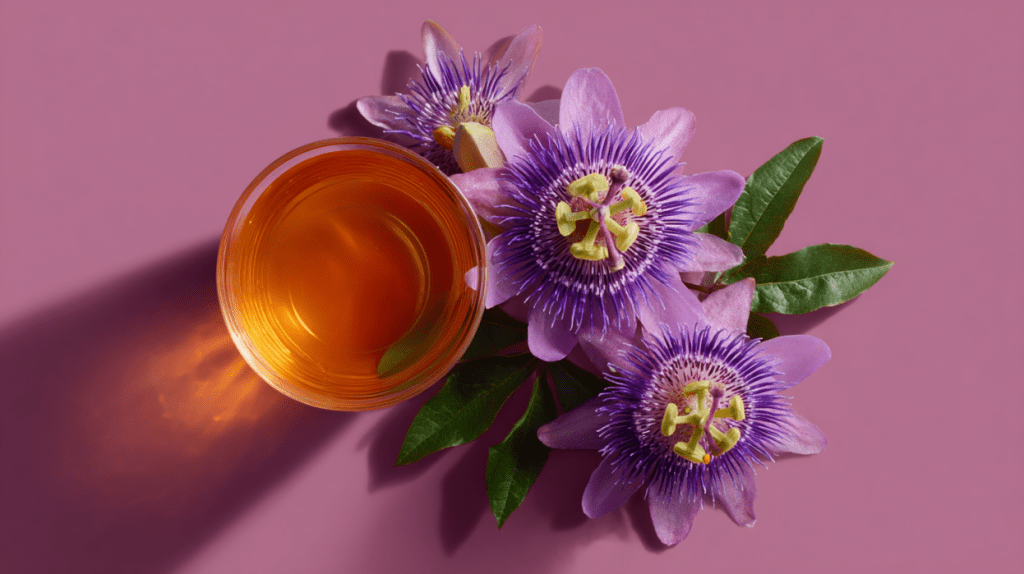
Passionflower is especially supportive for nighttime anxiety and mental overstimulation. It helps quiet the constant mental chatter that can keep the mind running long after the body feels tired, encouraging the nervous system to settle into deeper rest.
Many people turn to passionflower during stressful seasons when sleep feels distant or restless. Sipped as a tea in the evening or taken as a tincture before bed, it brings a soft, steady calm that helps the body fully unwind without leaving lingering grogginess.
7. Green Tea

Green tea offers a calmer, steadier kind of energy than coffee. Instead of creating sharp spikes followed by crashes, it supports focused alertness while helping the mind feel clearer and more balanced. Much of this comes from L theanine, a naturally calming compound found in green tea leaves.
The ritual itself also becomes part of the comfort. Steam rising from the mug, a quiet morning kitchen, and a slower start to the day can feel surprisingly grounding. Green tea supports calm clarity while still offering the gentle lift many people enjoy.
8. Valerian Root
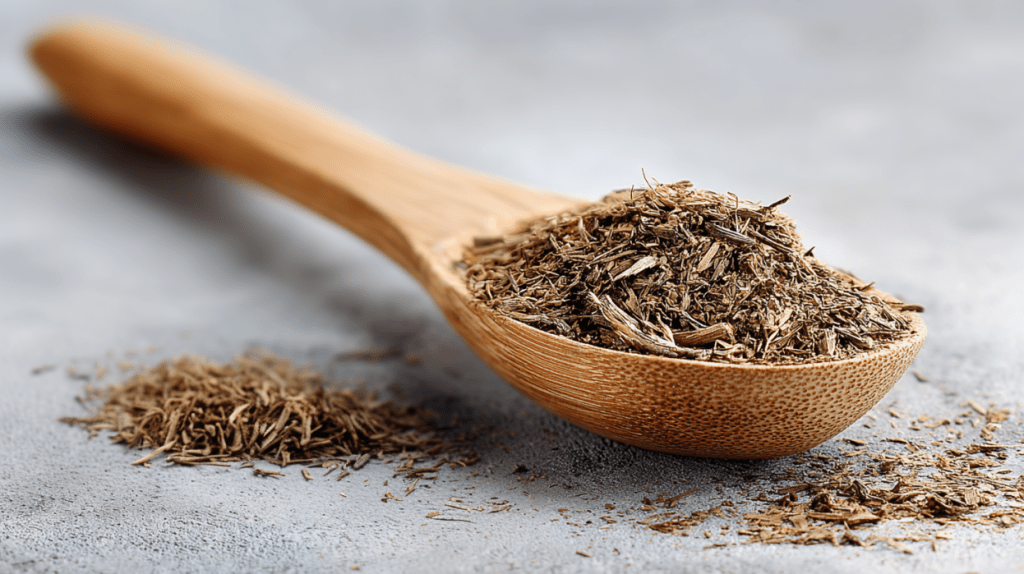
Valerian root is often used during periods of deep stress, exhaustion, or sleep struggles that leave the body feeling constantly alert. It helps calm the nervous system and slow racing thoughts, making it easier for the body to settle into rest at the end of the day.
Its earthy, grounding nature pairs especially well with quiet nighttime rituals. Whether enjoyed as tea or taken in capsule form, valerian creates space for deeper relaxation when stress has made rest feel difficult or distant.
9. Rhodiola
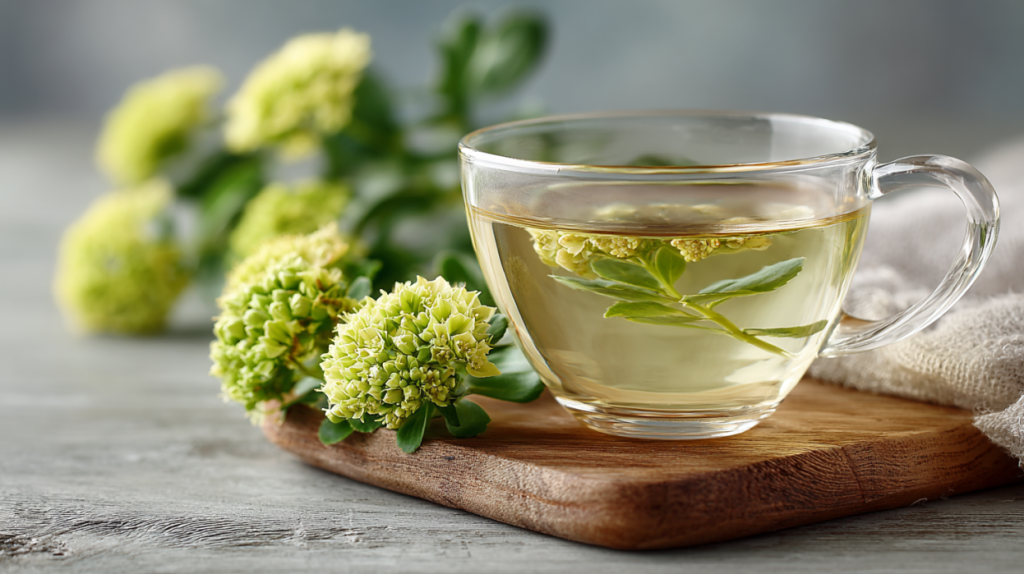
Stress does not always feel heavy and sleepy. Sometimes it feels foggy, emotionally scattered, and mentally draining. Rhodiola is an adaptogenic herb often used during burnout seasons when the body feels depleted but still overstimulated.
Unlike stimulants that can intensify anxiety, rhodiola supports steadier energy and emotional resilience. Many people enjoy adding powder to smoothies or morning wellness drinks when they want focus and stamina without the jittery feeling strong caffeine can sometimes create.
10. Mushroom Coffee

For many people, traditional coffee quietly fuels nervous system overwhelm. Mushroom coffee offers a gentler alternative by blending adaptogenic mushrooms like lion’s mane, reishi, and chaga with lower amounts of caffeine for a smoother, steadier energy experience.
The ritual still feels cozy and familiar. Warm mug in hand, rich earthy flavor, slow morning start. But without the sharp crash or overstimulated feeling strong coffee can sometimes bring. Over time, this simple swap can help support calmer focus and steadier energy throughout the day.
Final Thoughts
Calming the nervous system is rarely about finding one perfect remedy. More often, it is built through small daily rituals that help the body feel safe enough to relax again. A calming tea before bed, softer mornings, deeper breaths, and gentle herbal support can slowly reshape how stress moves through the body.
These quiet habits may seem simple, but they create meaningful change over time. With consistency, the nervous system becomes more resilient, the mind feels steadier, and calm begins to feel less like something you chase and more like something you naturally return to.
Continue Your Wellness Journey

Castor Oil Packs: An Old Fashioned Wellness Ritual
Warmth, stillness, and a little time set aside for yourself can turn a very simple remedy into something that feels surprisingly restorative. Castor oil packs have been used for generations…
Read More
11 Morning Habits That Help You Feel More Grounded
There is something special about the quiet moments before the day fully begins. Before the notifications, responsibilities, and endless to do lists arrive, the morning offers a fresh opportunity to…
Read More
7 Vitamin D Sources to Restore Your Levels Naturally
7 Vitamin D Sources to Restore Your Levels Naturally Vitamin D deficiency has quietly become one of the most common nutritional gaps in modern life. With more time spent indoors,…
Read More
