
10 Best Herbs to Support Your Health This Winter
Winter brings cozy evenings, warm drinks, and quiet moments, yet the colder months can also challenge the body. Shorter days, less sunlight, and chilly air often bring fatigue, slower digestion, and a higher risk of seasonal colds and flu. Many people notice their energy and immunity dip during this time of year.
Supporting your body naturally during winter can help maintain strong immunity, steady energy, and overall seasonal wellness. Colder weather, heavier foods, and reduced sunlight can place extra strain on the body, making it even more important to nourish yourself with supportive habits and natural remedies.
For centuries, herbal traditions have relied on warming and protective plants to help the body stay resilient during winter. Herbs like elderberry, ginger, ashwagandha, and rhodiola support immunity, digestion, mood, and energy. Incorporating them into teas, warm drinks, or meals is a simple way to stay balanced and vibrant through the colder months.
At a Glance
Reading Time: 10 minutes
Best For: Winter immunity, and seasonal wellness
Focus: Staying nourished through colder months
Enjoy As: Teas, foods, tinctures, and supplements
Good to Know: Small daily rituals can support winter resilience
Elderberry
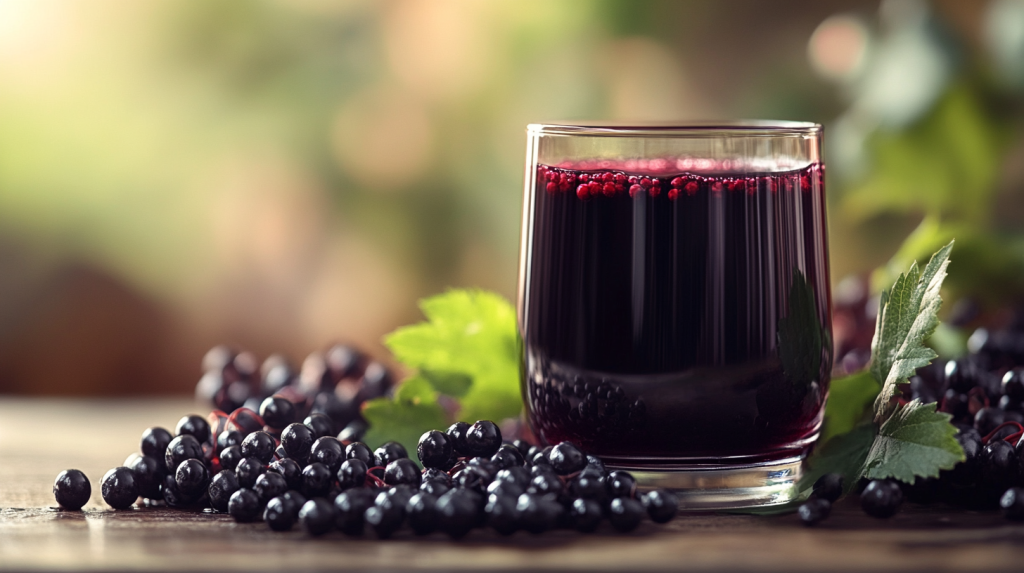
Elderberry has long been treasured as one of the most trusted herbs for immune support during winter. Rich in antioxidants called anthocyanins, these dark berries help strengthen immune defenses, calm inflammation, and protect cells from oxidative stress that can increase during colder months.
Research suggests elderberry may help reduce the severity and duration of colds and flu, making it a popular herbal ally when seasonal illness begins circulating. With regular use, it helps the body respond more efficiently to pathogens and supports stronger overall immunity.
Elderberry is easy to include in your winter routine. Enjoy it as elderberry syrup, tea, tinctures, or gummies, depending on your preference. For a more nourishing homemade remedy, try our recipe for Homemade Elderberry Syrup, a comforting way to support immunity throughout the winter season.
Echinacea
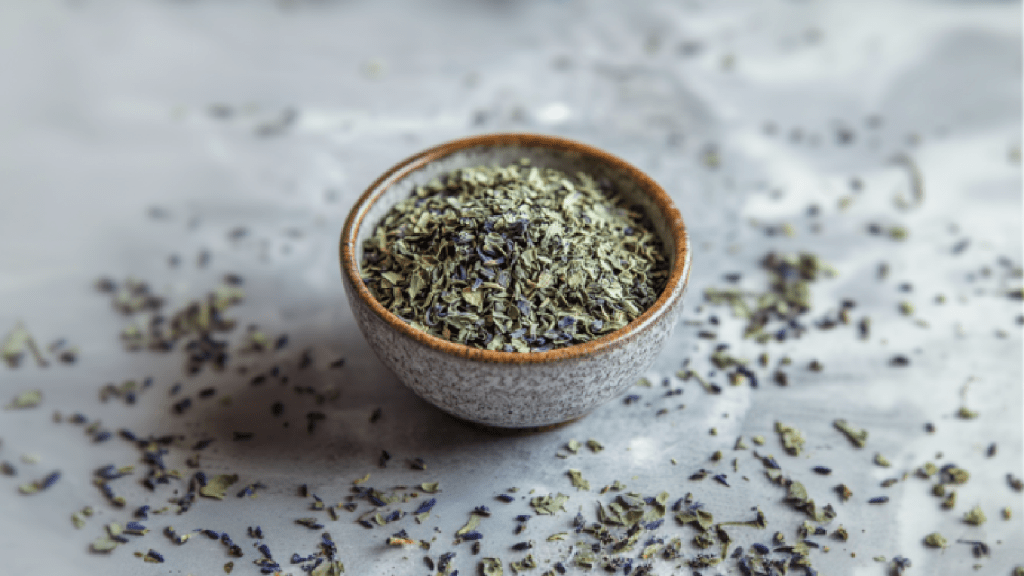
Echinacea is a well-known herbal remedy for immune support, especially during the colder months. This classic winter herb helps stimulate white blood cell activity, strengthening the body’s natural defenses and helping it respond more efficiently to infections.
Many people turn to echinacea at the first sign of a cold or seasonal illness, as it may help reduce symptom intensity and support faster recovery. Its immune-supportive compounds make it a trusted herb when exposure to germs is higher during winter.
Using echinacea is simple and flexible. Enjoy it as herbal tea, capsules, or a tincture during colder months or times of increased exposure. Combined with proper rest, hydration, and nourishing foods, echinacea can be a reliable ally for maintaining strong immunity throughout the season.
Ginger
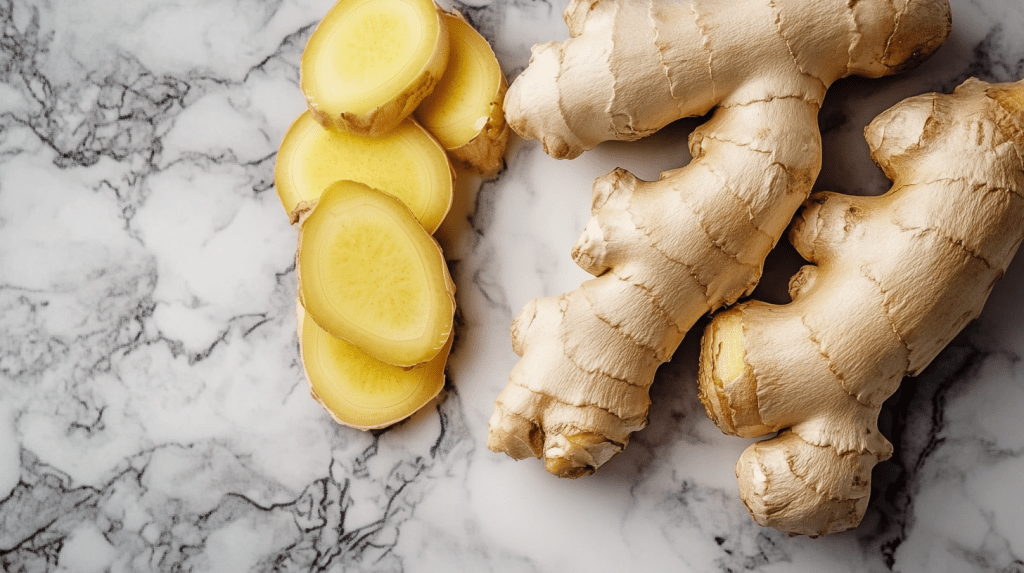
Ginger is a warming herbal remedy for digestion, circulation, and immune support, making it especially helpful during the colder months. Its active compound, gingerol, provides anti-inflammatory and antioxidant benefits that help soothe digestion, reduce bloating, and ease occasional nausea.
During winter, heavier meals and colder temperatures can slow digestion and lower energy. Ginger helps stimulate circulation and digestive activity, encouraging the body to stay warm, balanced, and energized throughout the season.
Enjoy ginger fresh or powdered in herbal teas, soups, broths, or smoothies to warm the body from the inside out. Many people find that including ginger daily supports digestion, improves circulation, and helps the body stay resilient during winter.
Turmeric
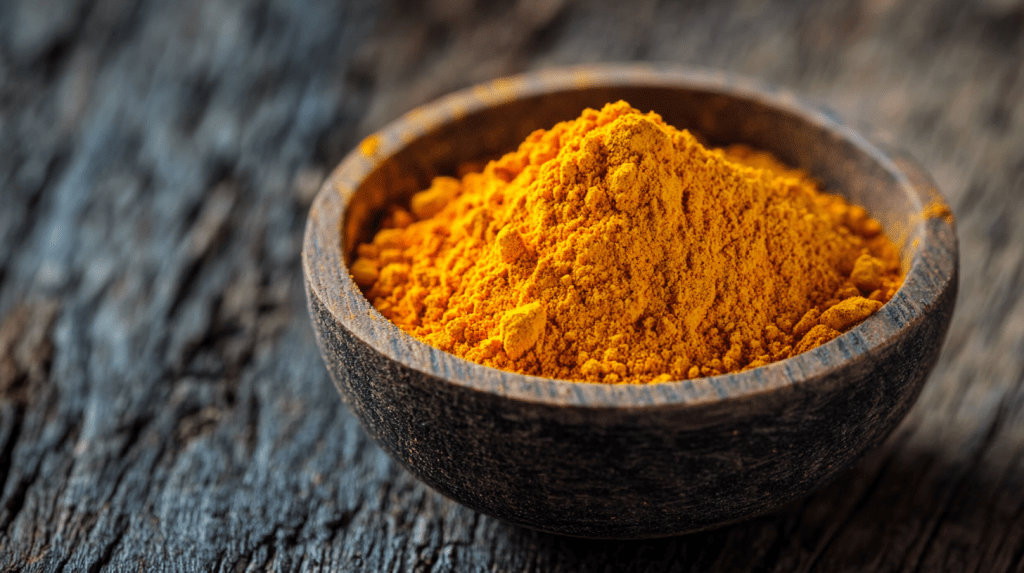
Turmeric is one of the most valued herbs for winter wellness and inflammation support. Its active compound, curcumin, provides powerful antioxidant and anti-inflammatory benefits that help support immune function, liver health, and overall metabolic balance during colder months.
Winter can bring slower digestion, increased inflammation, and seasonal stress. Turmeric helps the body stay resilient by supporting circulation, digestion, and natural immune defenses, making it a nourishing herb for maintaining energy and vitality.
For best results, pair turmeric with a pinch of black pepper to improve curcumin absorption. Enjoy it in golden milk, herbal tea, soups, or stews, or take it as a supplement. With regular use, turmeric becomes a warming ally for winter health and balance.
Cinnamon
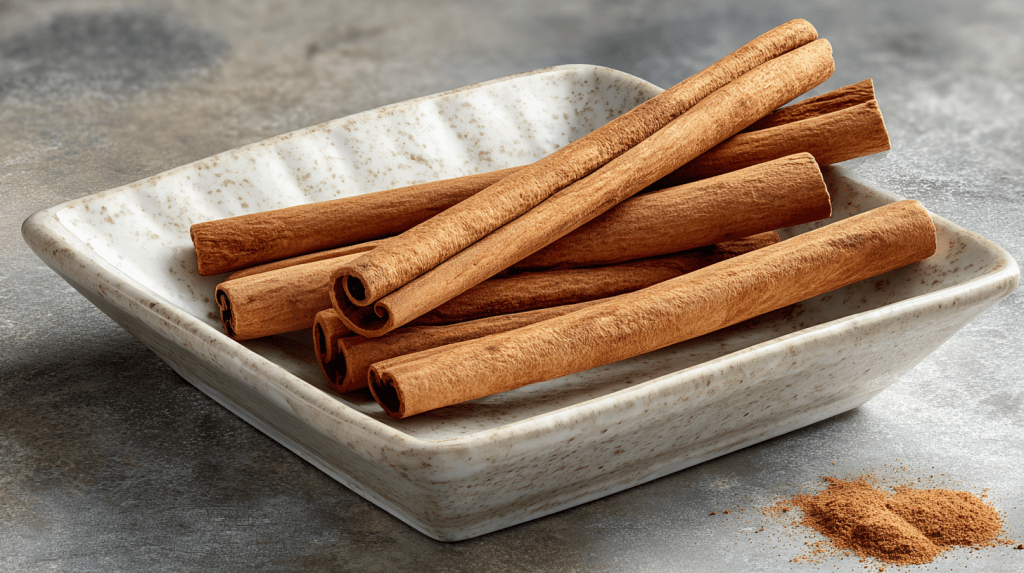
Cinnamon is a warming herb for winter wellness and metabolic balance. Its natural compounds help support healthy blood sugar levels, reduce inflammation, and provide gentle antimicrobial benefits. These qualities make cinnamon especially helpful for maintaining steady energy and supporting immunity during colder months.
During winter, when comfort foods and lower activity can affect metabolism, cinnamon helps promote stable energy and balanced digestion. Its warming nature also supports circulation and helps the body stay nourished and resilient throughout the season.
You can easily add cinnamon to herbal teas, oatmeal, baked goods, or warm spiced drinks. Even a small daily sprinkle can help curb sugar cravings, stabilize energy levels, and provide a comforting boost that supports winter wellness.
Astragalus
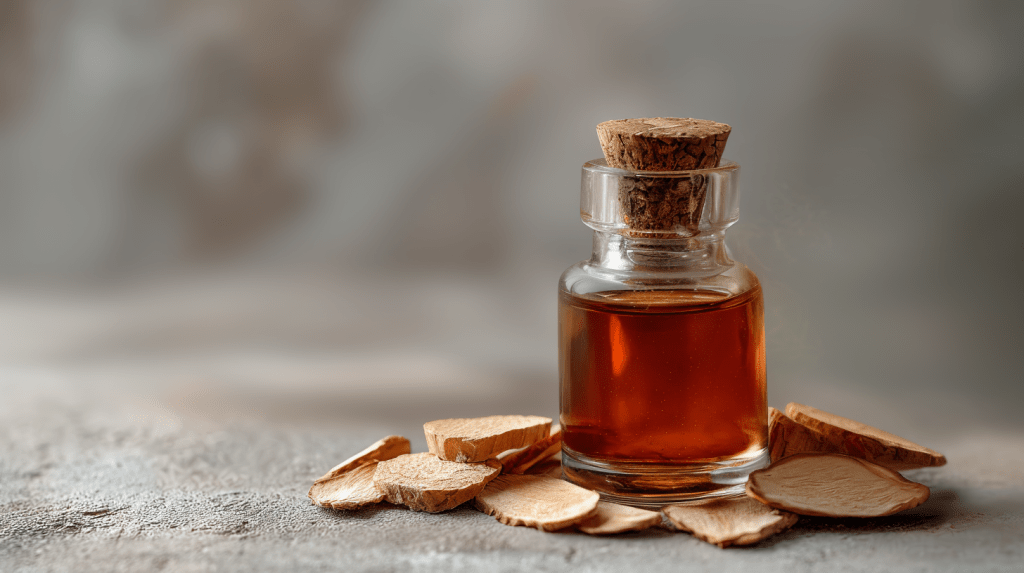
Astragalus is a traditional adaptogenic herb for immune support and winter resilience. Long used in herbal medicine, it helps strengthen the body’s natural defenses while supporting stamina and recovery. During colder months, astragalus can help the body stay energized and better prepared to handle seasonal stress and illness.
This nourishing root is also valued for supporting long-term immune strength and overall vitality. By helping the body adapt to stress and maintain steady energy, astragalus becomes especially useful when winter fatigue and seasonal illness begin circulating.
Astragalus can be enjoyed as herbal tea, simmered in soups or broths, or taken as a tincture for daily support. With consistent use, this gentle adaptogen helps fortify immunity, maintain energy, and support balanced wellness throughout the winter season.
Holy Basil

Holy basil, also known as tulsi, is a powerful adaptogenic herb for stress relief and immune support. It helps the body respond more calmly to stress while supporting mood balance and emotional resilience. During winter, tulsi can be especially helpful for protecting the body from the effects of seasonal stress and fatigue.
This soothing herb also supports respiratory health and immune balance, helping the body stay resilient during colder months. Tulsi’s calming properties make it ideal for supporting both the nervous system and overall winter wellness.
Enjoy tulsi as a warm herbal tea or capsule, often paired with honey or ginger for extra comfort and flavor. Regular use can help calm tension, support clear breathing, and maintain balanced energy throughout the winter season.
Licorice Root
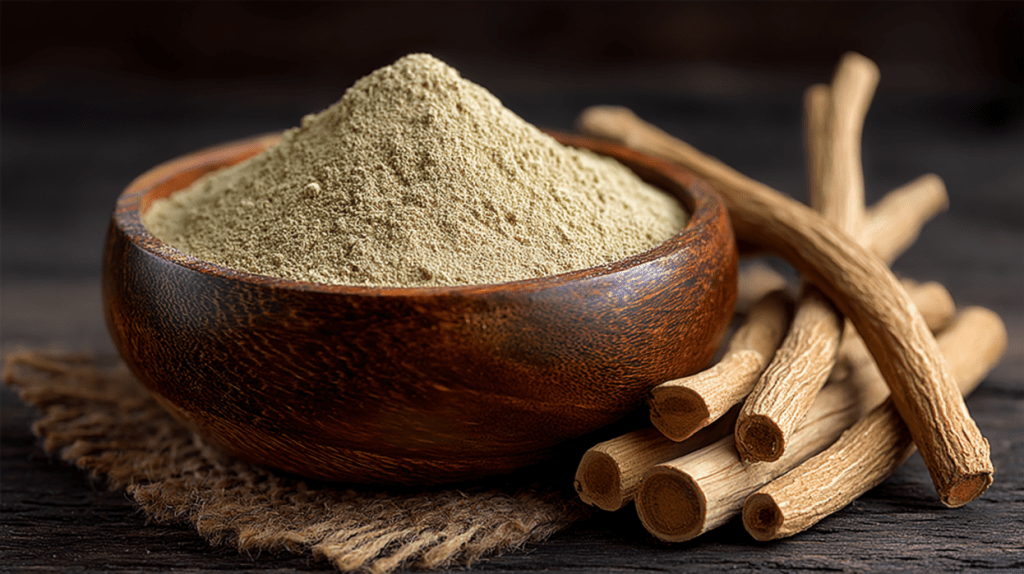
Licorice root is a soothing herbal remedy for respiratory support and winter wellness. It helps calm throat irritation, reduce inflammation, and support the adrenal glands, which play a role in energy and stress balance. Its naturally sweet flavor also makes it a comforting addition to herbal teas and infusions.
This nourishing root helps protect the mucous membranes of the throat and respiratory tract, which can become irritated during cold, dry winter months. By supporting immunity and inflammation balance, licorice root helps the body stay resilient when seasonal illness and stress are more common.
Enjoy licorice root tea on its own or blended with other winter herbs such as ginger, tulsi, or cinnamon. Regular use provides gentle support for the respiratory system while helping maintain energy and overall winter resilience.
Nettle
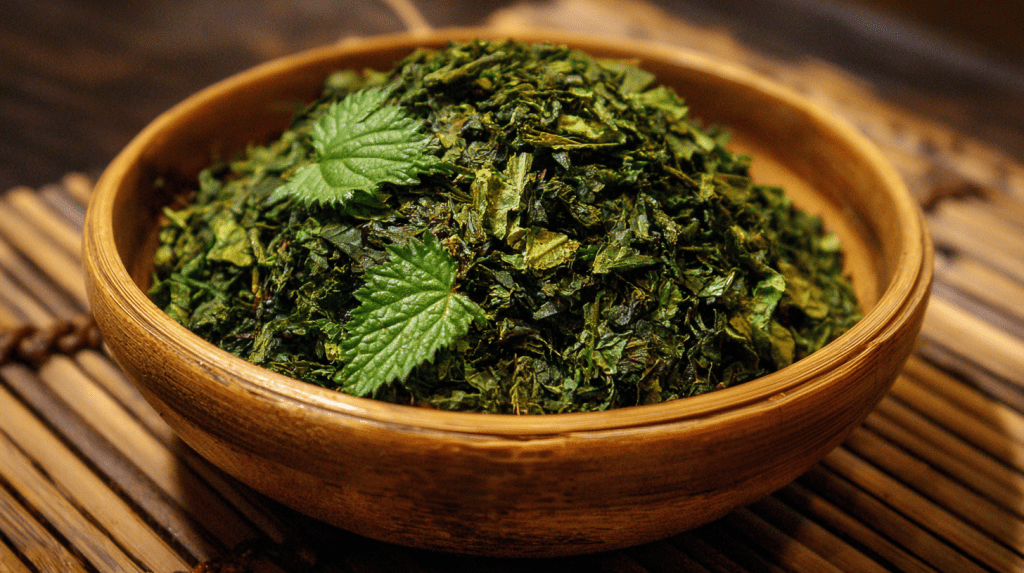
Nettle is a deeply nourishing herbal tea for winter wellness and mineral support. Rich in iron, magnesium, calcium, and trace minerals, nettle helps support immunity, strong bones, and steady energy. This makes it especially valuable during winter when fresh vegetables and sunlight can be limited.
Because of its high mineral content, nettle is often used as a daily tonic for energy and immune health. It helps nourish the body, support circulation, and gently strengthen overall vitality during colder months.
Enjoy nettle as a warming herbal tea, added to soups, or blended into smoothies. With regular use, this nutrient-rich herb helps maintain energy, support immune function, and keep the body nourished throughout the winter season.
Peppermint

Peppermint is a refreshing herbal remedy for digestion and respiratory comfort, making it especially helpful during winter. Its natural menthol helps soothe the stomach, ease bloating, and support clear breathing while gently uplifting mood on cold, sluggish days.
This cooling herb also helps calm the digestive and respiratory systems, offering relief when heavier winter meals or seasonal congestion appear. Its invigorating aroma and flavor make it both comforting and energizing during colder months.
Enjoy peppermint as a warming herbal tea, in steam inhalations, or added to winter recipes. Its versatility makes it a simple way to support digestion, sinus comfort, and overall winter wellness throughout the season.
Final Thoughts
Winter does not have to mean low energy, weakened immunity, or constant seasonal illness. Incorporating herbs for winter wellness can help nourish the body, strengthen natural defenses, and support steady energy during colder months. These traditional herbs work gently to support immunity, circulation, digestion, and overall resilience.
Enjoy them as warming herbal teas, nourishing broths, or simple daily remedies. With regular use, these plants become part of a comforting winter rhythm that supports balance and vitality. Small daily rituals with healing herbs can help you stay energized, resilient, and ready to embrace the season with strength and wellness.
Continue Your Wellness Journey
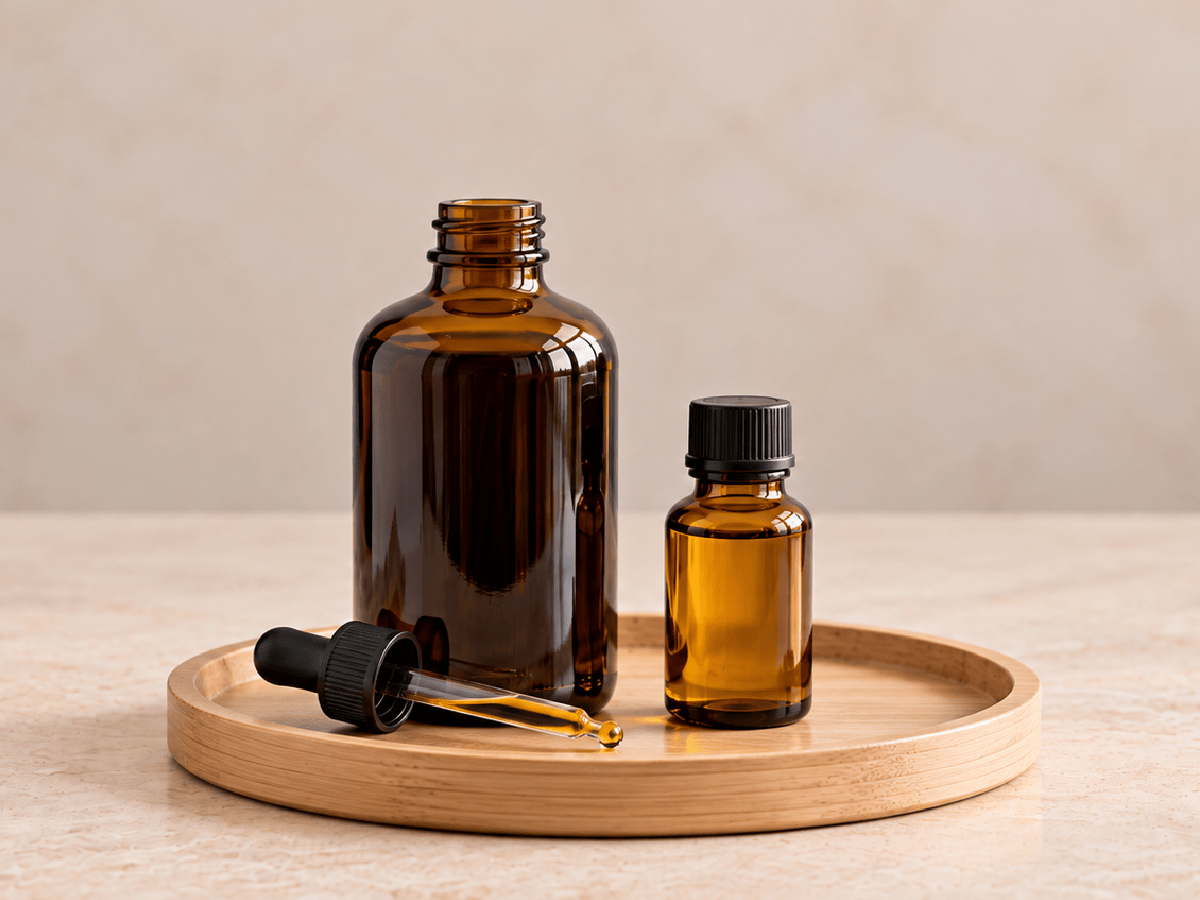
Oil of Oregano + Black Seed Oil
There is something comforting about keeping a few simple remedies close by when the seasons begin to shift. Oil of oregano and black seed oil have both been used in…
Read More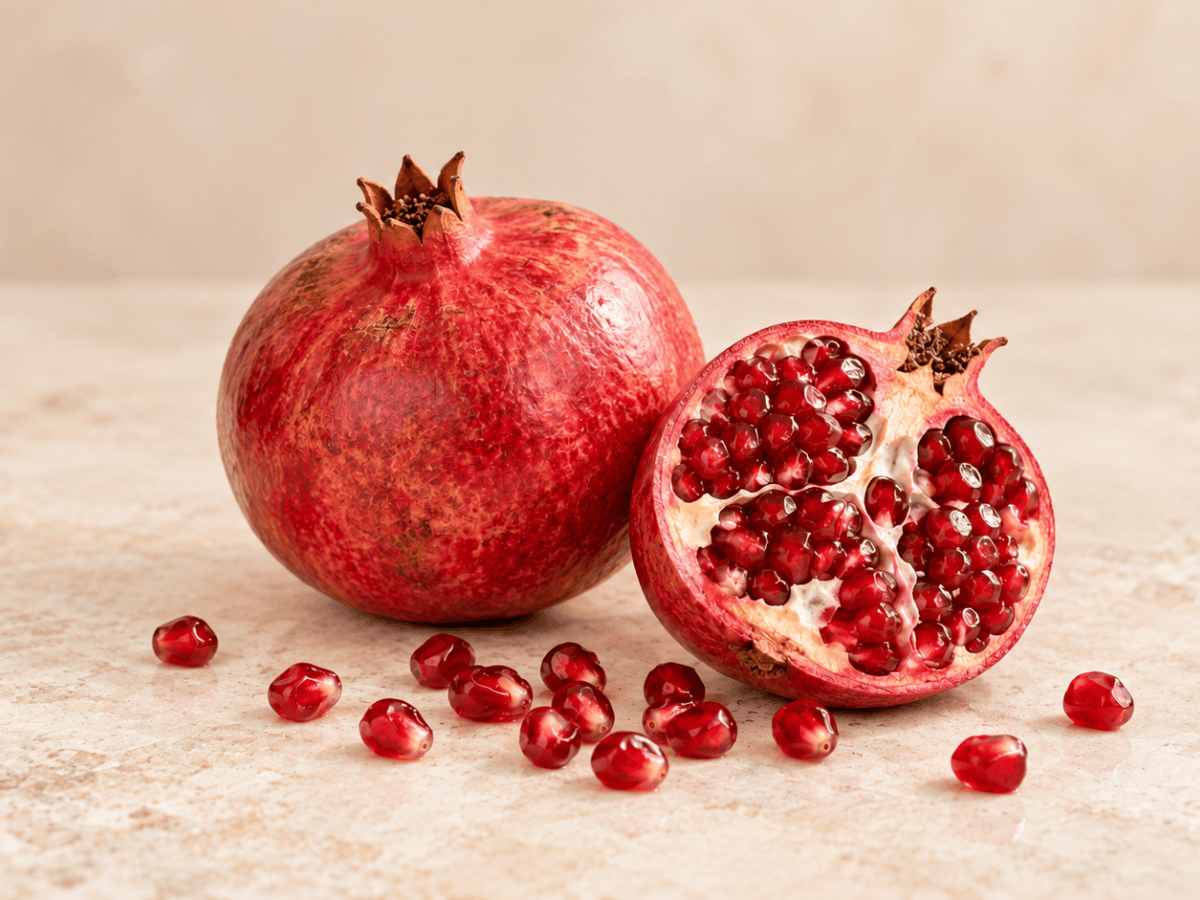
Ruby Red & Remarkable: 8 Reasons to Love Pomegranate
Crack open a pomegranate and you are rewarded with hundreds of glistening ruby jewels, each bursting with that unmistakable mix of sweetness and tartness. It is a fruit that makes…
Read More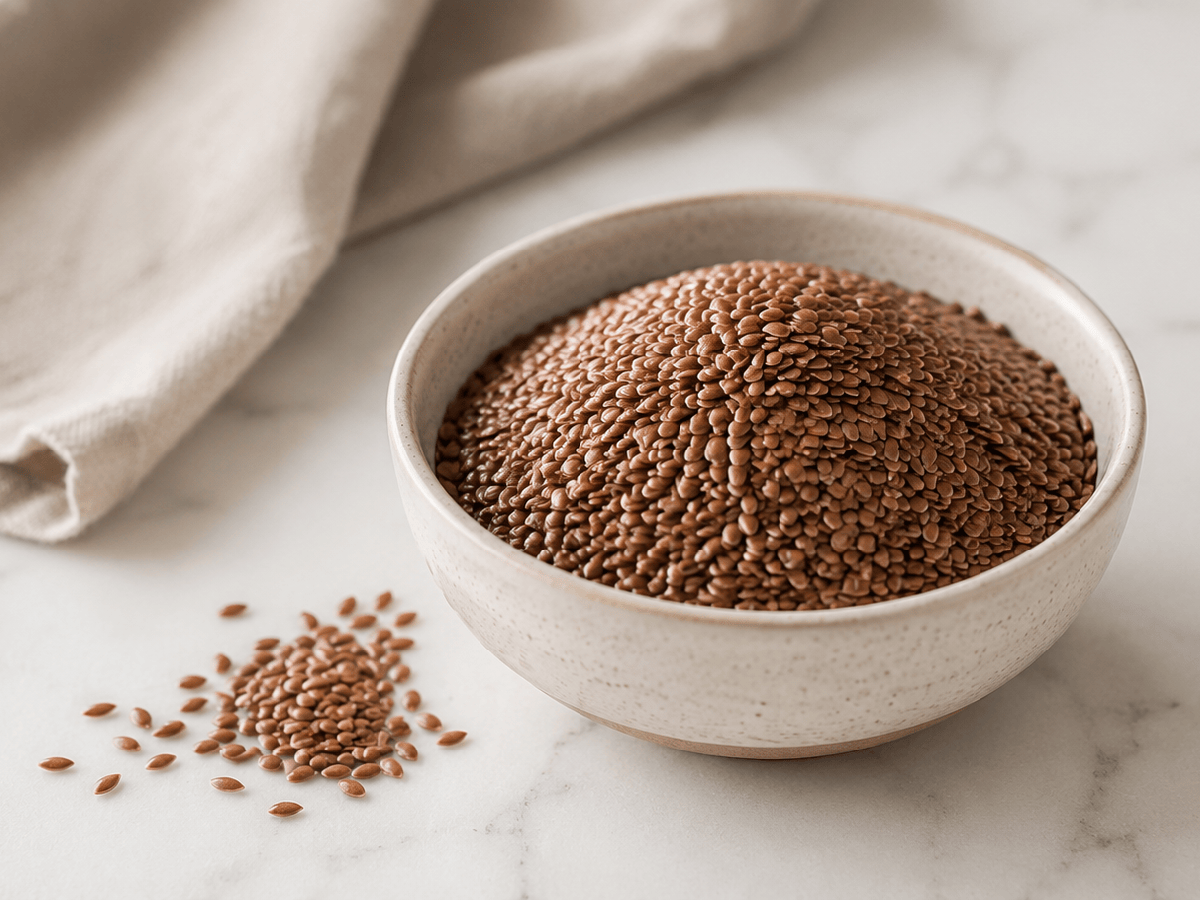
Tiny Seeds, Remarkable Benefits: 8 Reasons to Love Flaxseed
Some of nature’s most nourishing foods come in surprisingly small packages. Flaxseeds may be tiny enough to disappear into a bowl of oatmeal, but tucked inside each little seed is…
Read More
