
10 Best Herbs to Support Your Health This Winter
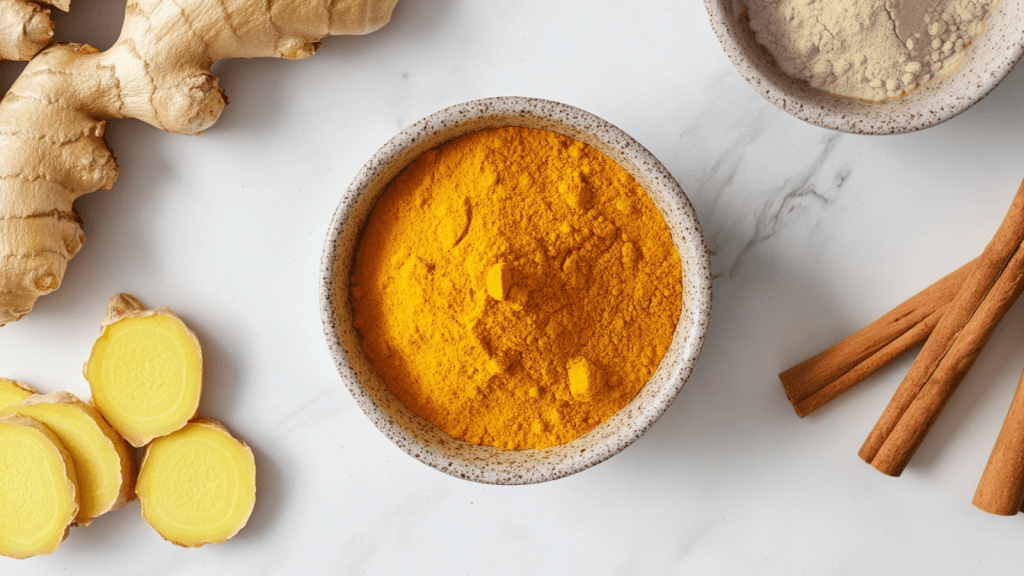
Winter can feel magical with cozy fires, warm drinks, and quiet evenings, but it also brings shorter days, colder temperatures, and a higher risk of colds, flu, fatigue, and seasonal sluggishness.
Our bodies can feel the effects of reduced sunlight, heavier meals, and cooler air, leaving immunity lower, digestion slower, and energy levels dipped.
Supporting yourself naturally during this season helps you stay resilient, balanced, and vibrant even when external conditions feel challenging.
Herbs have been trusted for centuries to nourish, warm, and protect the body during colder months. From traditional remedies like elderberry and ginger to adaptogens like ashwagandha and rhodiola, these plants work with your body to support immunity, digestion, energy, and mood.
They promote overall wellness instead of masking symptoms, which is especially valuable during the season of winter stress and seasonal illness.
Incorporating herbs into your daily routine is simple. Brew them as teas, infuse them into warm drinks, stir them into meals, or take them as tinctures or capsules.
Keeping a few key herbs on hand allows you to strengthen your body, soothe seasonal discomfort, and maintain vitality throughout the winter months.
Elderberry
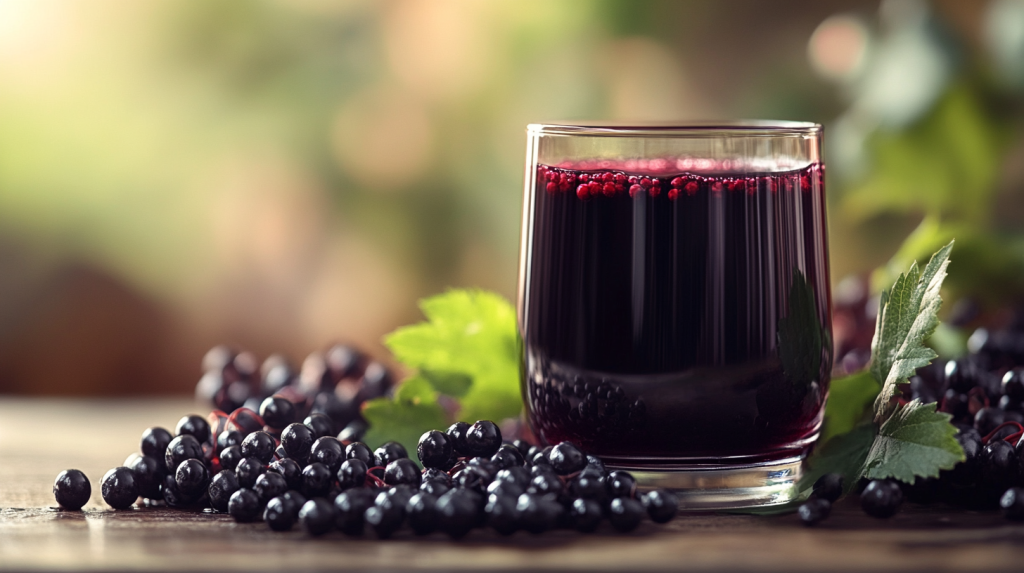
Elderberry has been a cornerstone of winter wellness for centuries. Packed with antioxidants called anthocyanins, it helps support immune function, calm inflammation, and protect cells from oxidative stress.
Research suggests elderberry may reduce the severity and duration of colds and flu, making it a go-to herb when seasonal illness is circulating.
Regular use helps the body respond more efficiently to pathogens, giving your immune system a strong foundation during winter.
This versatile berry is easy to enjoy in many forms. Take it as a syrup, tea, gummies, or tincture to suit your preference. For a homemade touch, try our Homemade Elderberry Syrup.
Its naturally sweet, comforting flavor makes supporting immunity enjoyable, and incorporating it into your routine can help your body stay resilient and ready for whatever winter brings.
Echinacea
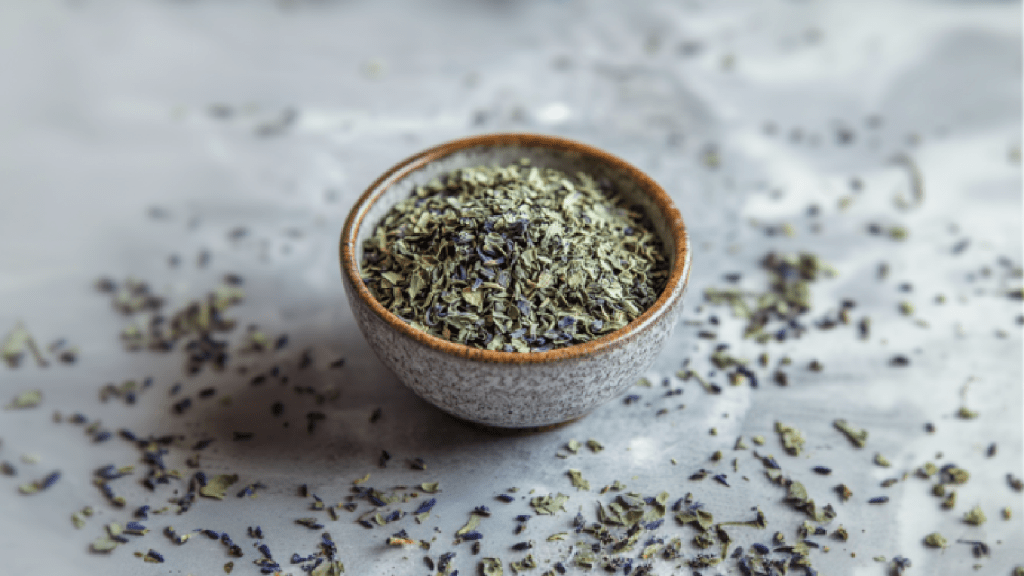
Echinacea is a classic winter herb known for its immune-boosting properties. It stimulates white blood cell activity, helping your body respond efficiently to infections.
Many people find echinacea especially helpful at the first sign of a cold, potentially reducing symptom intensity and supporting the body’s natural defenses.
Using echinacea is easy and flexible. Enjoy it as a tea, in capsules, or as a tincture during times of higher exposure or colder months. Paired with proper rest, hydration, and nutrition, echinacea can become a reliable ally for staying healthy and supported throughout the season.
Ginger
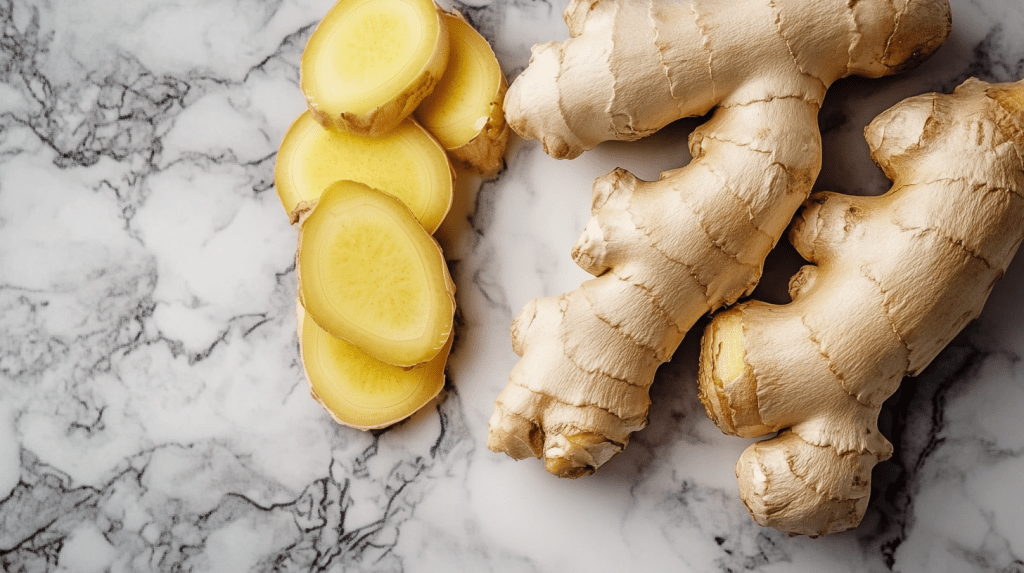
Ginger is a warming herb that supports digestion, circulation, and immunity. Its active compound, gingerol, provides anti-inflammatory benefits and may help soothe the digestive system, reduce bloating, and ease nausea.
This makes it especially useful in winter when heavier meals can slow digestion and affect overall wellness.
Fresh or powdered ginger can be added to teas, soups, or smoothies to warm the body from the inside out. It supports circulation, keeps hands and feet warm, and gently boosts immune function.
Many people find a daily dose of ginger enhances comfort and resilience throughout the colder months.
Turmeric
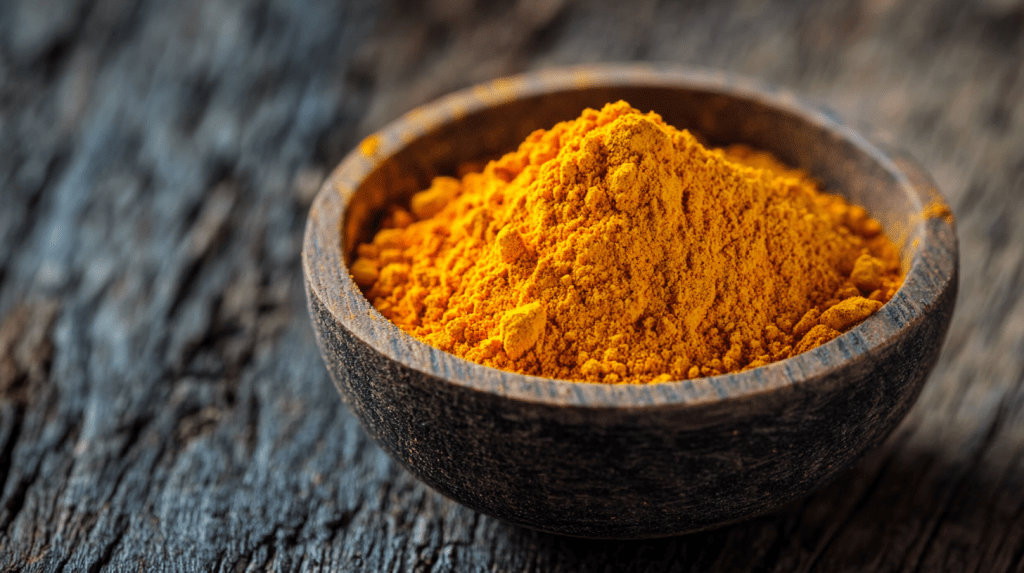
Turmeric is celebrated for its anti-inflammatory and antioxidant properties. Curcumin, the active compound in turmeric, supports immune function, liver health, and overall metabolic balance.
During winter, when inflammation, sluggish digestion, and seasonal stress can increase, turmeric helps maintain vitality and resilience.
For best results, pair turmeric with a pinch of black pepper to improve absorption. Use it in golden milk, soups, or stews, or take it as a supplement.
With regular use, turmeric helps reduce inflammation, support circulation, and strengthen the body’s natural defenses, making it a nourishing addition to your winter routine.
Cinnamon
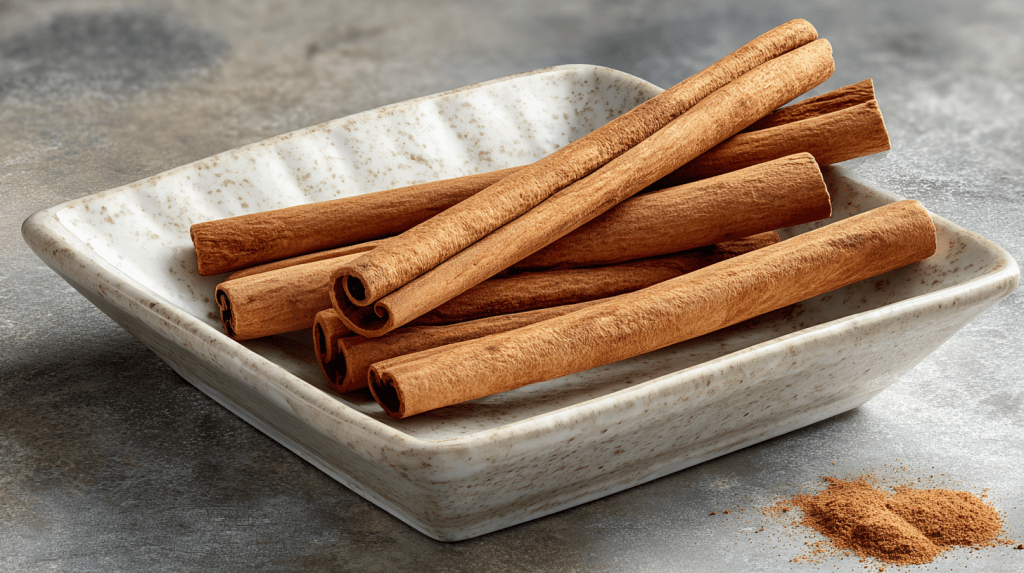
Cinnamon is a warming herb with aromatic flavor and gentle health benefits. Its compounds help regulate blood sugar, reduce inflammation, and provide antimicrobial support.
This makes it helpful for maintaining steady energy and supporting immunity throughout the colder months.
You can easily add cinnamon to teas, oatmeal, baked goods, or spiced beverages.
Beyond flavor, it helps stabilize energy levels, curb sugar cravings, and keep the body nourished and balanced during winter. A small daily dose can be a simple, comforting way to support wellness.
Astragalus
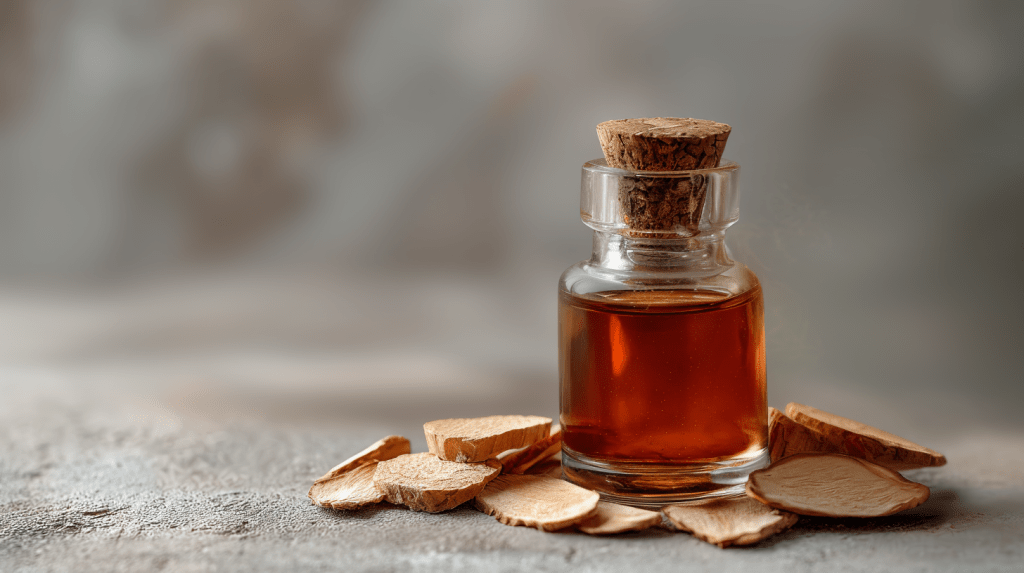
Astragalus is a traditional adaptogen used to strengthen the immune system and enhance resilience. It supports stamina, recovery, and overall vitality during winter, when cold weather, seasonal illness, and daily stressors can feel draining.
Astragalus can be brewed into teas, added to soups, or taken as a tincture for daily support.
Regular use helps fortify the body’s defenses and maintain energy, making it a gentle yet powerful herb for seasonal wellness.
Holy Basil

Holy Basil, also called Tulsi, is an adaptogenic herb that helps reduce stress and support immunity. Its calming properties ease tension, regulate mood, and protect the body from the physical effects of winter stress.
Tulsi is delicious as a tea or warm infusion and pairs well with honey or ginger for added comfort.
It also supports respiratory health and helps clear airways, making it ideal for staying balanced and resilient during colder months.
Licorice Root
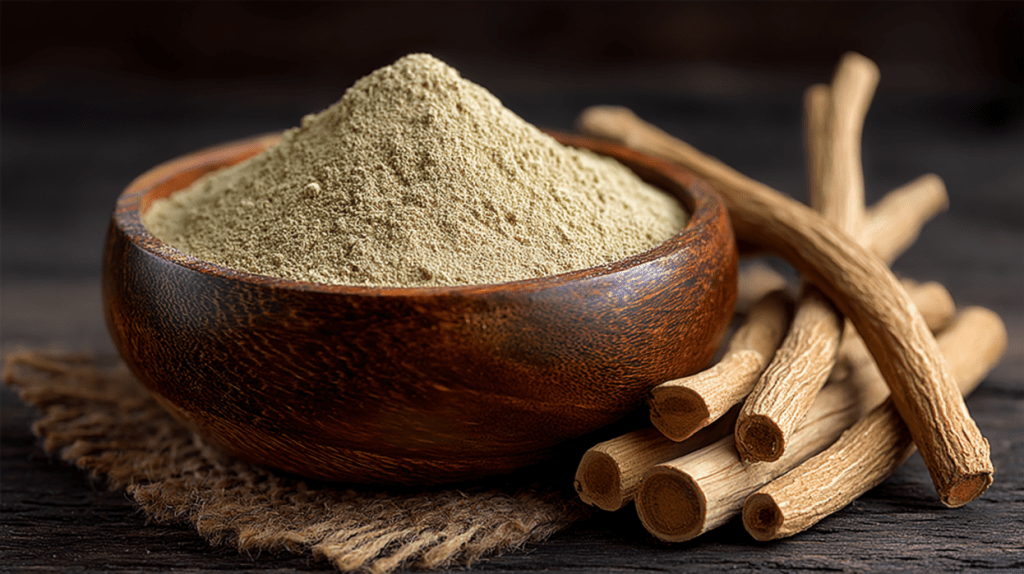
Licorice root is known for soothing the throat and supporting the respiratory system. It reduces inflammation, supports adrenal health, and adds a naturally sweet flavor to teas and herbal infusions.
Regular use can help protect mucous membranes, support immunity, and maintain energy when winter colds and stress are more common.
Licorice root provides gentle, restorative support that keeps the body resilient and comfortable.
Nettle
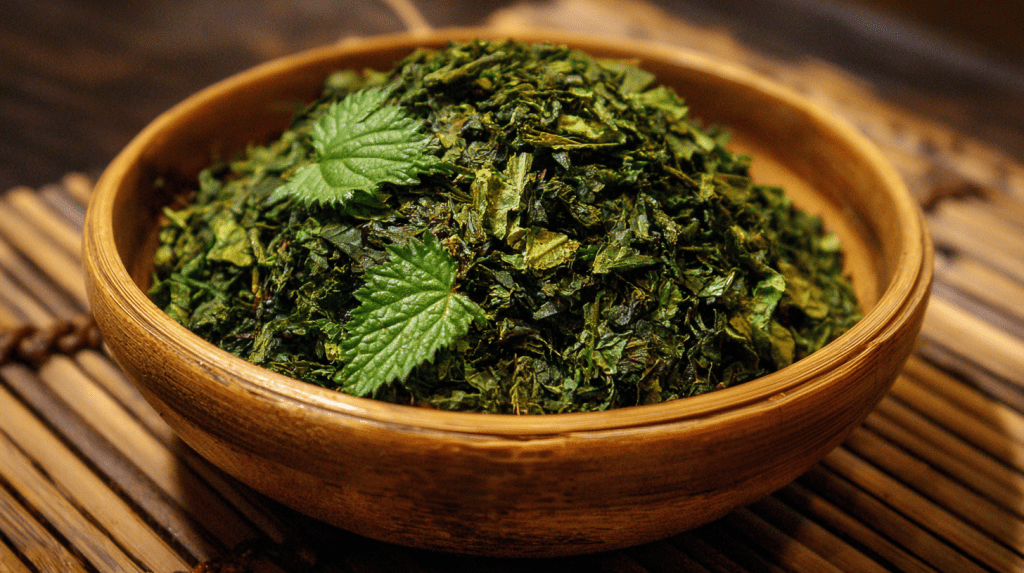
Nettle is a nutrient-rich herb packed with iron, magnesium, and calcium. These minerals support immunity, strong bones, and overall energy.
It is especially helpful in winter when fresh vegetables and fruits may be scarce.
Nettle can be enjoyed as tea, added to soups, or blended into smoothies.
Its nourishing effects help maintain vitality, support immune function, and provide a gentle, natural boost for the body throughout the season.
Peppermint

Peppermint is a refreshing herb that supports digestion, eases bloating, and clears sinuses. Its menthol helps calm the stomach and respiratory system while naturally lifting your mood on chilly days.
Enjoy peppermint as a warming tea, in steam inhalations, or added to winter recipes.
Its versatility makes it a valuable addition to your routine, supporting digestion, respiratory function, and overall winter wellness.
Final Thoughts
Winter does not have to mean low energy, weakened immunity, or constant colds. Incorporating these herbs into your routine can nourish your body, strengthen natural defenses, and support vitality throughout the season.
Each herb brings unique benefits, helping with immune health, inflammation, circulation, and overall well-being.
Whether brewed as teas, stirred into meals, or taken as supplements, these herbs offer gentle support that works in harmony with your body’s rhythms.
Making them part of your winter routine adds comfort, ritual, and consistency, helping you feel vibrant, resilient, and ready to embrace the season with energy and balance.
 Mama’s Natural Journey