
10 Healing Herbs to Add to Your Daily Cooking

Incorporating culinary herbs into your meals is one of the easiest ways to enhance both flavor and wellness. These everyday plants are more than just seasoning. They are packed with antioxidants, anti-inflammatory compounds, and essential nutrients that support digestion, brain health, and overall vitality.
Fresh or dried, herbs like basil, rosemary, and turmeric act as natural remedies hidden in plain sight in your kitchen. A pinch here or a stir there can transform ordinary dishes into nutrient-rich meals that nourish your body from the inside out.
Whether you are sautéing, blending, or sprinkling herbs on top, it is an easy way to add both taste and health benefits to your cooking. Keep reading to explore ten healing herbs that bring wellness and flavor to every plate.
1. Turmeric: The Golden Spice for Inflammation and Wellness
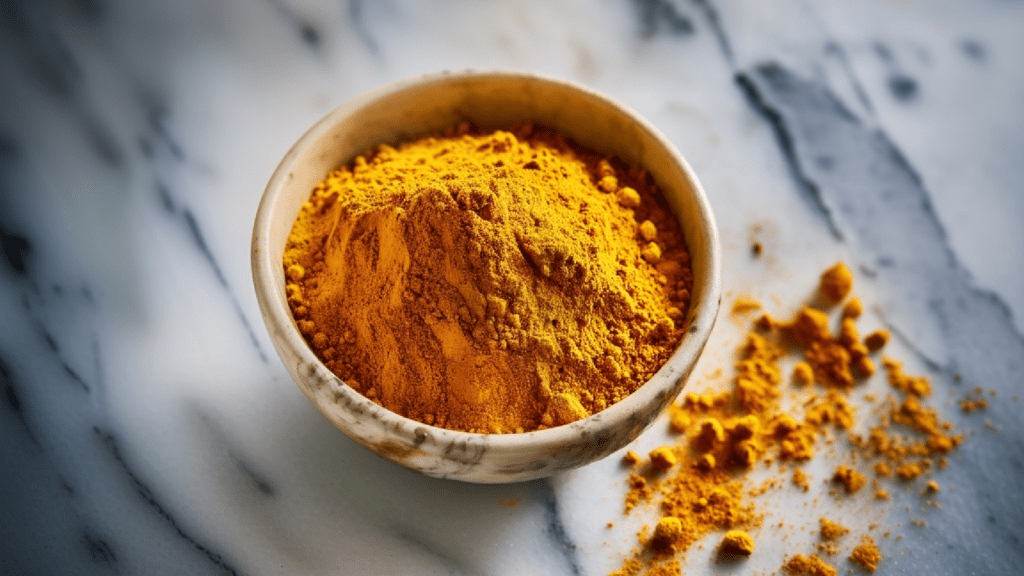
Known for its bright golden color and warm, earthy flavor, turmeric is more than just a spice. Its active compound, curcumin, provides strong anti-inflammatory and antioxidant benefits that support joint health, boost brain function, and strengthen the immune system.
Turmeric can help reduce inflammation associated with conditions like arthritis while also supporting heart and liver wellness. To get the most from curcumin, it works best with a pinch of black pepper and a healthy fat such as olive oil or coconut milk.
You can easily add turmeric to curries, teas, soups, or roasted dishes. Its vibrant color and rich flavor make it a comforting and nourishing addition to meals. For a more detailed look at turmeric’s full range of benefits, read my article, The Powerful Health Benefits of Turmeric.
2. Ginger: The Digestive Powerhouse
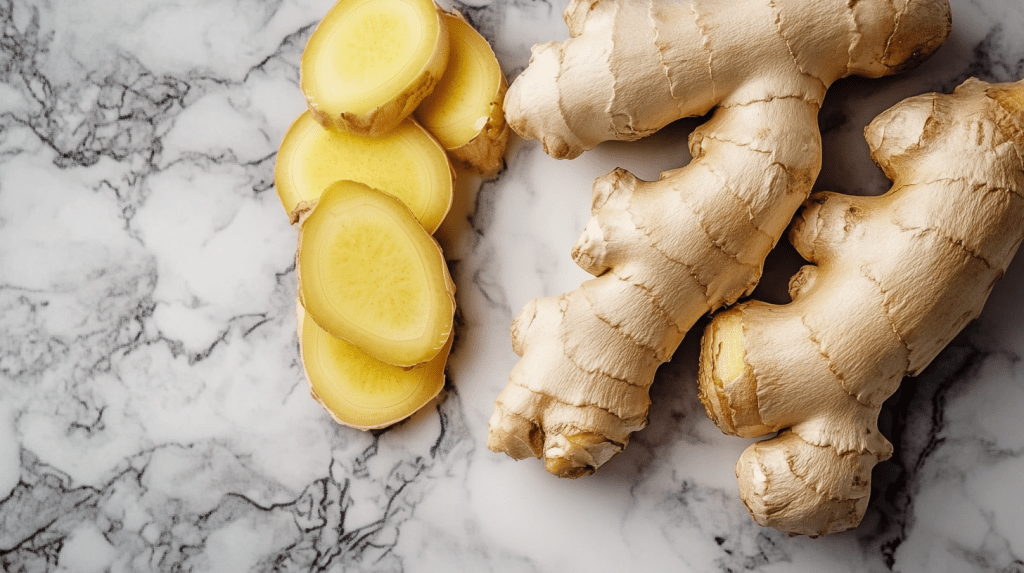
Ginger is a bright, zesty root cherished for centuries for both taste and wellness. It calms digestion, easing bloating, nausea, and discomfort, while its active compounds like gingerol deliver strong anti-inflammatory and antioxidant support, helping the body stay balanced and resilient.
Ginger supports healthy circulation and helps the body respond to inflammation, making it ideal during cold weather or periods of physical stress. It can ease muscle soreness, support immune function, and provide comforting warmth that leaves the body feeling energized and balanced.
You can enjoy ginger fresh, dried, or steeped as tea. Add it to soups, smoothies, or cooked meals for a simple and effective way to support digestion and overall wellness each day.
3. Garlic: The Immune-Boosting Powerhouse

Garlic is cherished around the world for both its bold, savory flavor and impressive health benefits. Its active compound, allicin, provides antimicrobial, antiviral, and anti-inflammatory support, helping the body stay resilient, maintain balance, and respond effectively to daily stressors.
Regular consumption of garlic supports heart health, helps manage blood pressure, and strengthens the immune system. For the best results, it is most effective when crushed and eaten raw or lightly cooked, allowing its natural compounds to remain potent and fully beneficial.
Adding garlic to sauces, dressings, sautés, or as a finishing drizzle makes it easy to include in everyday meals. Its versatility and flavor turn simple dishes into nourishing ones. For more detailed benefits of garlic, read 7 Ways Garlic Boosts Your Health.
4. Parsley: A Nutrient-Packed Detox Hero
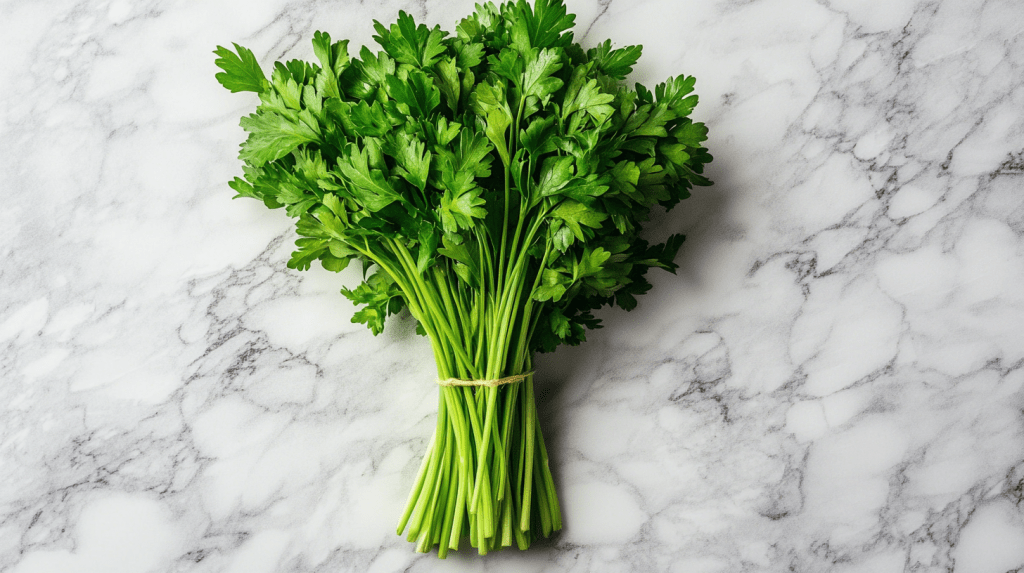
Parsley is more than a garnish. This nutrient-dense herb is packed with vitamin C, iron, and folate, supporting kidney function, aiding gentle detoxification, and freshening breath naturally. Its antioxidants help strengthen the immune system and reduce inflammation.
Both flat-leaf and curly parsley can be sprinkled over salads, grain bowls, or soups to add flavor and nutrition. It also blends beautifully into herb sauces like chimichurri or tabbouleh, offering a vibrant, healthful boost that elevates both taste and wellness in your meals.
Incorporating parsley regularly is an easy way to enhance everyday dishes. Its bright, fresh flavor and powerful nutrients make it a simple, versatile addition for supporting overall health, immunity, and balanced nutrition in your daily routine.
5. Basil: The Herb for Mood and Immunity
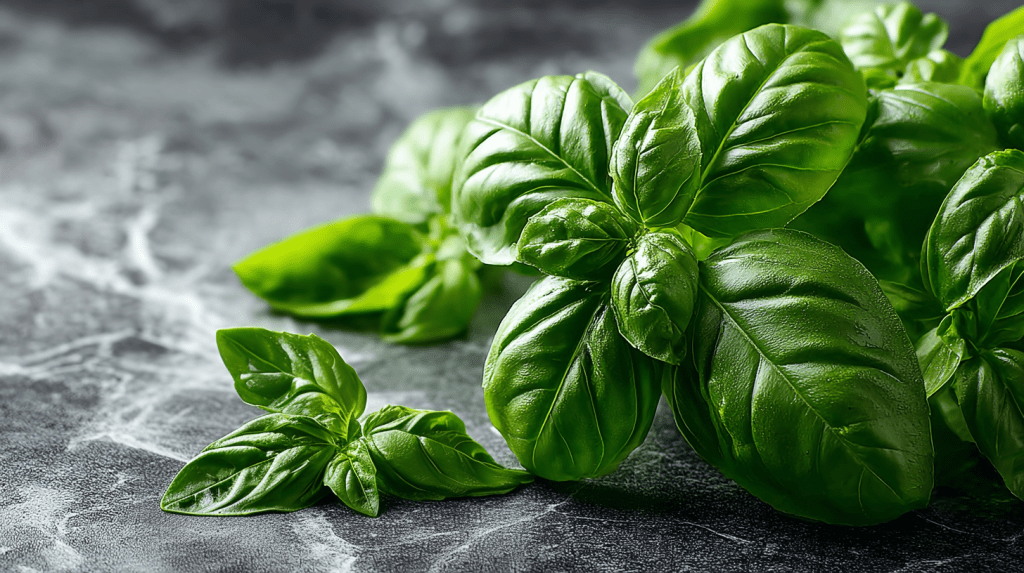
Basil is more than a pesto favorite. This nutrient-rich herb is packed with vitamin K, manganese, and compounds like eugenol that provide antimicrobial and anti-inflammatory support. Holy basil, or tulsi, is especially known for reducing stress and promoting mental clarity.
Fresh basil adds a sweet, slightly peppery flavor to pasta, sandwiches, grain bowls, and fruit salads. Its vibrant taste pairs perfectly with a wide range of dishes while naturally supporting overall wellness and balance in the body.
Using basil regularly is an easy way to enhance both meals and health. This versatile herb not only elevates flavor but also offers gentle support for immunity, inflammation, and mental focus, making it a kitchen essential.
6. Rosemary: The Aromatic Brain Booster

Rosemary’s pine-like aroma does more than please the senses; it supports brain health and cognitive function. Its active compounds, including carnosic acid, help reduce inflammation, protect cells from oxidative stress, and may improve memory, concentration, and mental clarity.
You can use rosemary in roasted vegetables, meats, breads, or infuse it into olive oil to boost both flavor and wellness. Even breathing in its aroma while cooking can enhance focus and elevate your mood, making it a simple, natural tool for mental sharpness.
Regularly adding rosemary to your meals provides a delicious way to support overall brain health. This versatile herb combines taste and function, promoting cognitive resilience while enriching everyday dishes.
7. Thyme: A Powerful Ally for Immunity and Respiratory Health

Though small, thyme packs a mighty punch when it comes to health. Its antibacterial and antiviral properties help support respiratory health and protect against coughs, colds, and infections. The compound thymol is especially effective at fighting harmful pathogens.
Thyme also promotes healthy digestion and can help ease bloating, offering gentle support for overall wellness. Add dried thyme to soups, marinades, or roasted dishes, or steep fresh sprigs in teas and stews for a soothing, healthful boost.
Incorporating thyme into your daily cooking is simple and flavorful. This versatile herb enhances meals while providing natural protection and nourishment for both body and mind.
8. Oregano: Nature’s Potent Antibacterial Herb
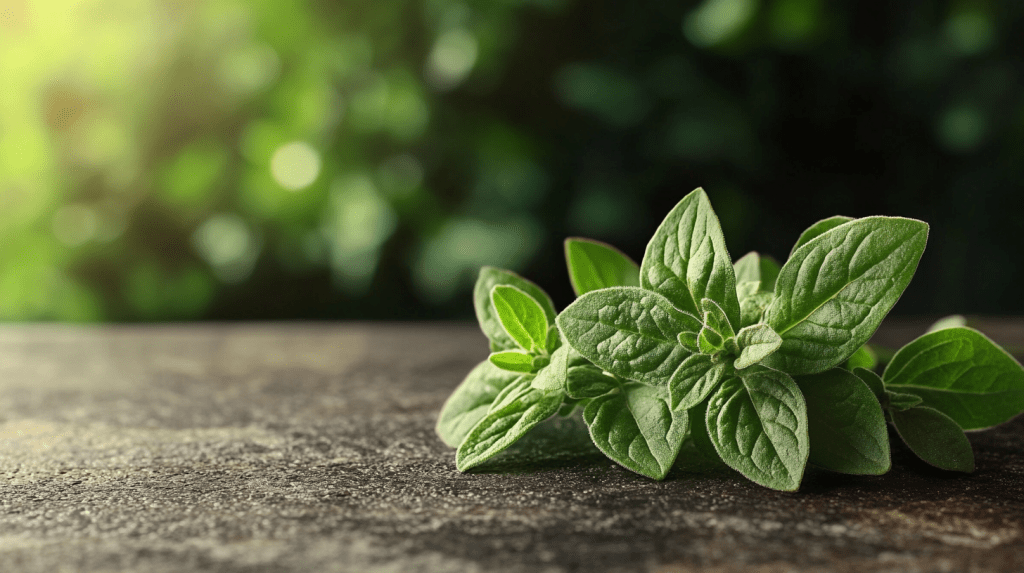
Oregano is more than a flavorful kitchen staple; it’s a potent herb with impressive health benefits. Its main compound, carvacrol, has strong antibacterial and antifungal effects that support gut health and bolster the immune system. Oregano is also rich in antioxidants, helping protect the body from oxidative stress.
Dried oregano adds depth to tomato sauces, pizzas, roasted vegetables, or salad dressings, while fresh leaves deliver extra flavor and potency. Incorporating it into meals is a simple way to enjoy both taste and natural wellness support.
Regular use of oregano can help strengthen the body’s defenses and promote overall health. This versatile herb brings a delicious, healthful boost to your everyday cooking.
9. Cilantro: The Natural Heavy Metal Cleanser
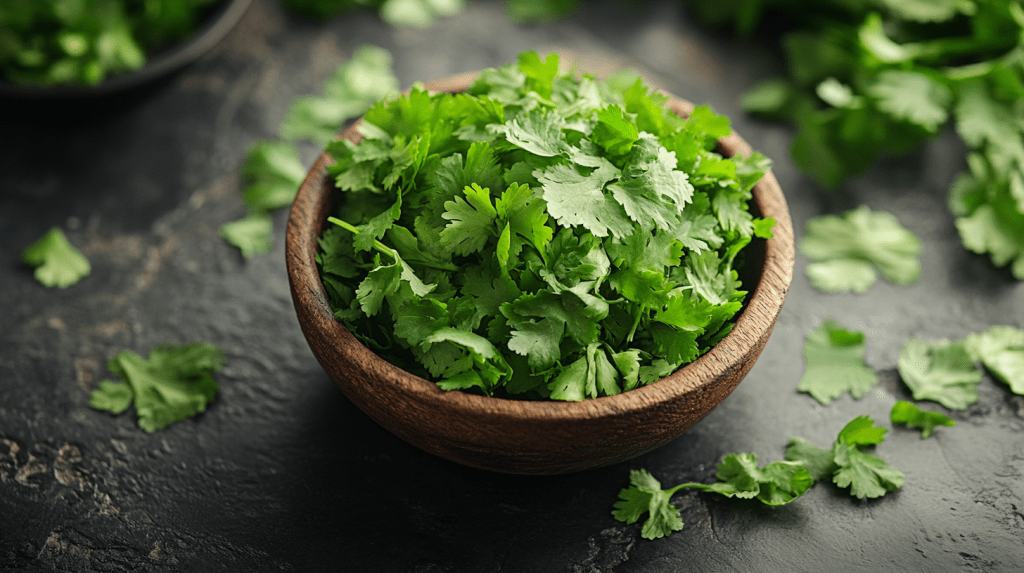
Cilantro isn’t just a flavorful herb; it also offers impressive detoxifying benefits. It helps the body eliminate heavy metals such as mercury and lead while providing antioxidants that support digestion and maintain healthy blood sugar levels.
Fresh cilantro adds brightness to tacos, rice bowls, curries, and other dishes, or can be blended into sauces like chimichurri and chutney. Its bold, refreshing taste enhances meals while offering natural wellness support.
Including cilantro regularly is an easy way to boost both flavor and health. This versatile herb supports your body’s detox processes and digestive balance, making it a simple addition to everyday cooking.
10. Mint: Refreshing, Soothing, and Energizing
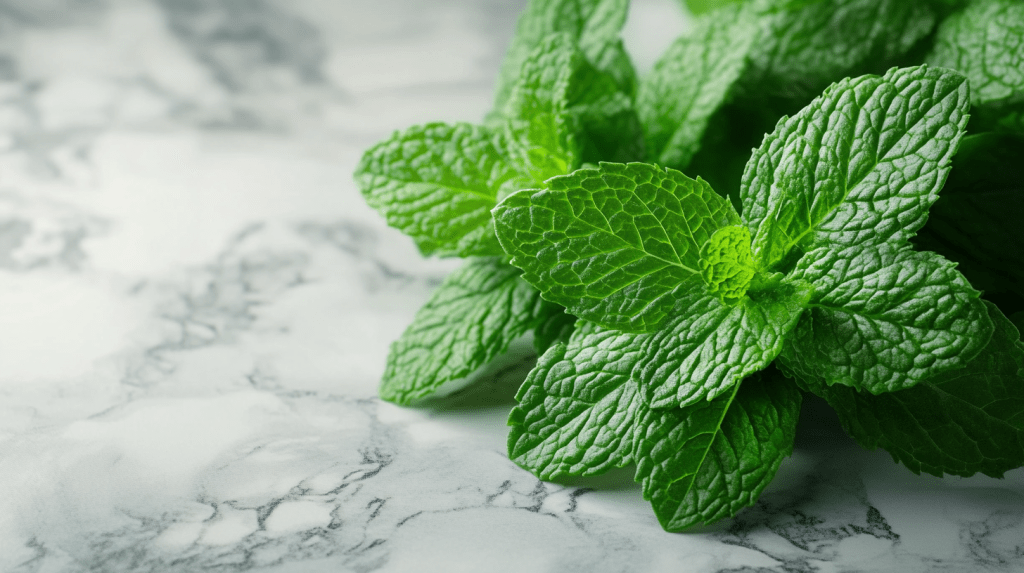
Mint isn’t just a refreshing herb for teas or desserts. It naturally supports digestion, helping ease bloating, gas, and nausea. The menthol in mint provides a cooling, invigorating sensation while also lifting mood and offering a gentle boost of energy for daily vitality.
Beyond digestive support, mint has antimicrobial and antioxidant properties that benefit oral health and help reduce inflammation. This versatile herb quietly supports overall wellness, making it a simple yet powerful addition to your routine for both health and flavor.
Fresh mint brightens smoothies, fruit salads, grain bowls, and sauces. Using it regularly adds vibrant flavor while offering subtle health benefits, turning everyday meals into nourishing, wellness-supportive dishes that are as delicious as they are good for you.
Final Thoughts: Let Food Be Your Medicine
Adding herbs to your meals is an easy and delicious way to support your health naturally. Each herb brings unique benefits, from turmeric’s anti-inflammatory support to rosemary’s ability to improve focus and clarity.
These plants have been valued for centuries for their healing properties, and today science continues to highlight their power. Using them in your cooking is a simple way to boost well-being without complicated routines or supplements.
Start small by sprinkling, stirring, or garnishing your dishes with fresh or dried herbs. Over time, these small additions transform meals into acts of self-care and nourishment.
Every bite becomes an opportunity to connect with your body and support your vitality. By incorporating herbs into your daily routine, you are honoring both flavor and wellness while bringing centuries of herbal wisdom into your kitchen.
 Mama’s Natural Journey