
The 15 Best Herbal Teas for Everyday Ailments

Bloating after meals, tension headaches, poor sleep, and digestive discomfort are everyday health complaints for many people. These symptoms often signal imbalance in digestion, the nervous system, or hormones. While quick remedies may help temporarily, they rarely address deeper causes.
For centuries, herbal tea has served as a gentle form of natural medicine. Cultures across the world relied on plant infusions to calm the mind, soothe the stomach, and restore balance. Modern research now supports many of these traditional herbal practices.
Whether you need relief from bloating, help sleeping, immune support, or natural energy, there is an herbal tea that can help. Below are thirteen powerful herbal teas for common ailments and simple ways each cup can support daily wellness.
At a Glance
Reading Time: 10 minutes
Best For: Everyday aches, stress, digestion, & more
Focus: Herbal teas for common concerns
Enjoy As: Warm teas, infusions, and herbal blends
Good to Know: Different herbs offer different kinds of support
Indigestion & Bloating: Peppermint Tea
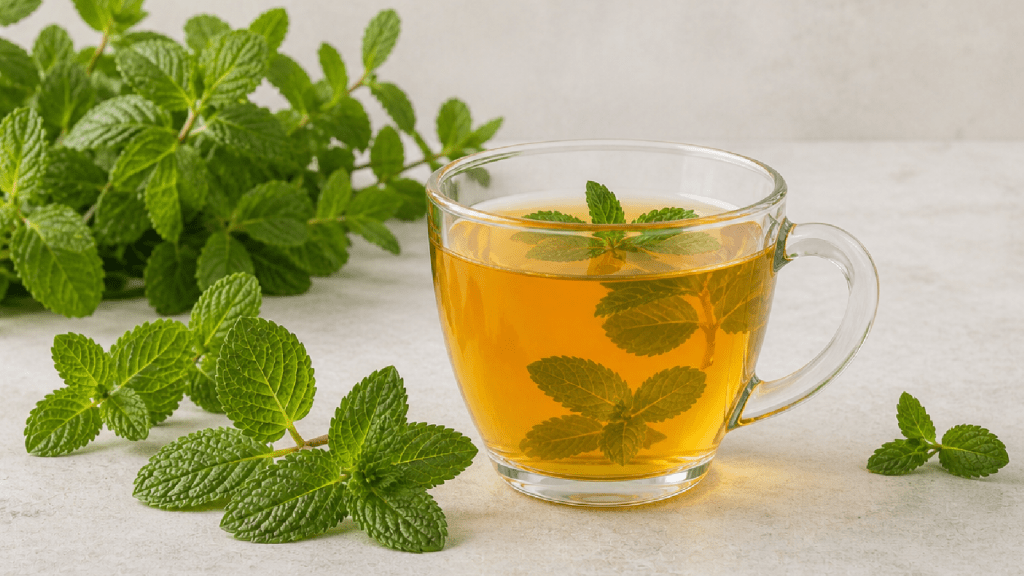
Peppermint tea is one of the most trusted remedies for digestive discomfort. Its natural antispasmodic compounds help relax the muscles of the digestive tract, easing bloating, gas, and stomach cramps after meals.
Menthol, peppermint’s active compound, also encourages bile flow, helping the body digest fats more efficiently. Drinking a warm cup of peppermint tea after meals can calm the stomach and promote smoother digestion while refreshing the senses.
Anxiety & Stress: Chamomile Tea

Chamomile tea is widely known for its calming effects on the nervous system. This gentle herbal infusion interacts with GABA receptors in the brain, helping quiet anxious thoughts and promote a relaxed mental state.
Its mild sedative properties can help ease stress during the day and encourage restful sleep at night. Enjoy a cup of chamomile tea in the evening or during quiet moments to help calm the mind and support emotional balance.
Low Energy & Fatigue: Ginseng Tea

Ginseng tea provides steady, natural energy without the sharp spikes associated with caffeine. As an adaptogenic herb, it helps the body respond to stress while supporting stamina, endurance, and mental clarity.
American ginseng tends to offer calmer energy, while Asian ginseng may feel more stimulating. Drinking ginseng tea in the morning or early afternoon can help improve focus and support balanced daily energy.
Trouble Sleeping: Valerian Root Tea
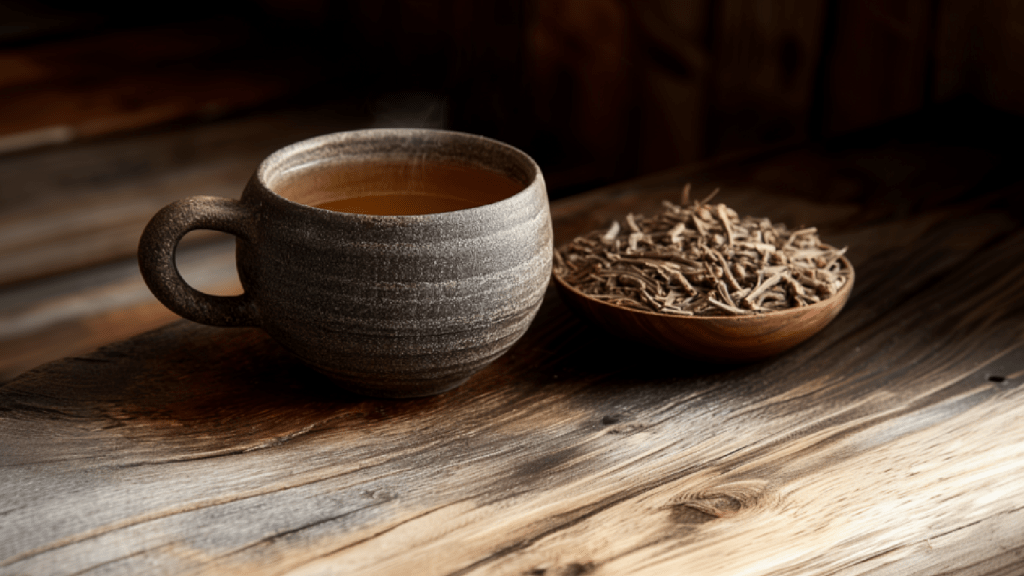
Valerian root tea is a traditional herbal remedy used to support restful sleep. It works by increasing GABA activity in the brain, helping the nervous system relax and quiet racing thoughts before bedtime.
Although valerian has a strong earthy scent, many people find its calming effects worth it. Drinking a cup of valerian root tea about 30 minutes before bed can help the body unwind and encourage deeper sleep.
Cold & Congestion: Thyme Tea

Thyme tea is a powerful herbal remedy for respiratory discomfort. Known for its antimicrobial and expectorant properties, thyme helps loosen mucus, calm coughs, and support easier breathing.
This herb also contains antioxidants and vitamin C that support immune function. Drinking thyme tea with lemon and raw honey can help soothe sore throats and relieve congestion during seasonal illness.
Sore Throat: Slippery Elm Tea

Slippery elm tea is known for its soothing effect on irritated throat tissues. The inner bark contains mucilage, a gel-like compound that coats and protects delicate membranes.
This protective layer helps reduce inflammation and calm dryness or scratchiness. Drinking warm slippery elm tea can provide lasting throat relief while also supporting digestive comfort.
Headache & Tension: Feverfew Tea

Feverfew tea has long been used as a natural remedy for recurring headaches. Its active compound, parthenolide, may help relax blood vessels and reduce inflammation linked to migraine and tension headaches.
Drinking feverfew tea at the first sign of a headache may help reduce the intensity of symptoms. Many people use it regularly as part of a natural strategy for managing recurring head pain.
Nausea & Morning Sickness: Ginger Tea

Ginger tea is one of the most effective natural remedies for nausea. Compounds such as gingerol and shogaol help calm the stomach, support digestion, and ease motion sickness or morning nausea.
Enjoy ginger tea warm with honey or lemon for extra soothing benefits. It can be sipped throughout the day to help restore comfort and support digestive balance.
Hormonal Imbalance & PMS: Raspberry Leaf Tea

Raspberry leaf tea has long been used to support women’s reproductive health. Rich in minerals like magnesium and iron, it helps tone the uterus and support balanced menstrual cycles.
Regularly drinking raspberry leaf tea may help ease cramps and support hormonal balance. Many women enjoy a warm cup daily as part of a calming self-care routine.
Weakened Immunity: Echinacea Tea

Echinacea tea is widely used to support immune health, especially at the first signs of illness. The herb helps stimulate immune cells that respond to viruses and bacteria.
Drinking echinacea tea during cold and flu season may help strengthen the body’s defenses. Many people combine it with honey and lemon for a soothing immune-supporting drink.
High Blood Sugar & Cravings: Cinnamon Tea
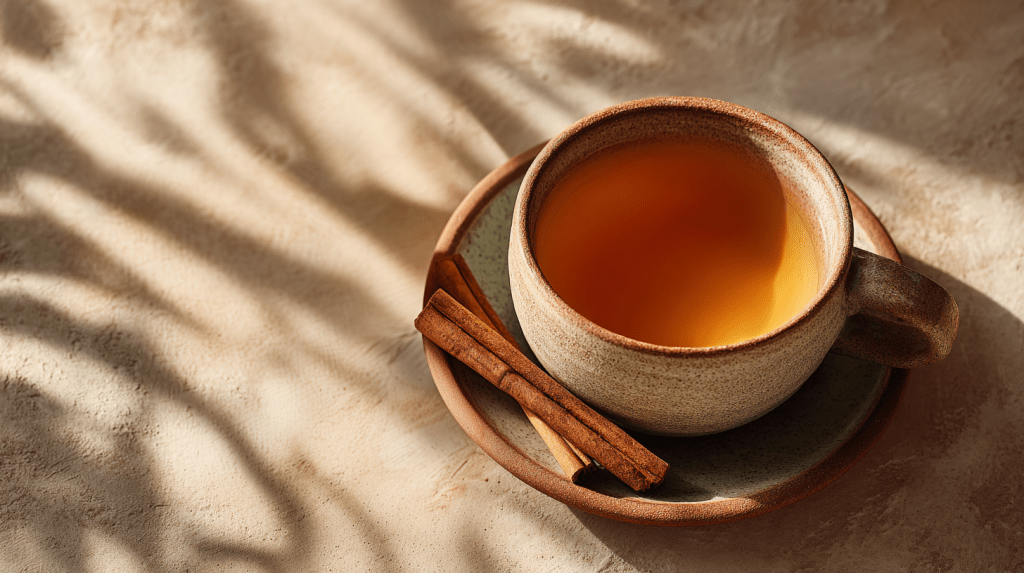
Cinnamon tea helps support balanced blood sugar and steady energy. Its natural compounds improve insulin sensitivity and may help reduce sugar cravings throughout the day.
Drinking cinnamon tea before or after meals can help regulate glucose levels and support digestion. Its warm, comforting flavor makes it an easy daily wellness ritual.
Detox & Liver Support: Dandelion Root Tea

Dandelion root tea has long been valued for supporting liver health and natural detox pathways. Its bitter compounds stimulate bile production, helping the body break down fats more efficiently while assisting the liver in processing and eliminating toxins.
Enjoying a warm cup of dandelion root tea in the morning or after meals may support digestion and reduce bloating. This earthy herbal tea is also rich in antioxidants that nourish liver function and overall wellness. For more benefits of this powerful herb, read 8 Powerful Health Benefits of Dandelion.
Brain Fog & Lack of Focus: Rosemary Tea

Rosemary tea is known for its ability to support memory and mental clarity. Its stimulating aroma helps increase circulation to the brain while providing protective antioxidants.
Drinking rosemary tea during the morning or early afternoon can help improve focus and concentration. This refreshing herbal infusion offers a gentle way to sharpen mental clarity.
Lung Congestion & Mucus Buildup: Mullein Leaf Tea
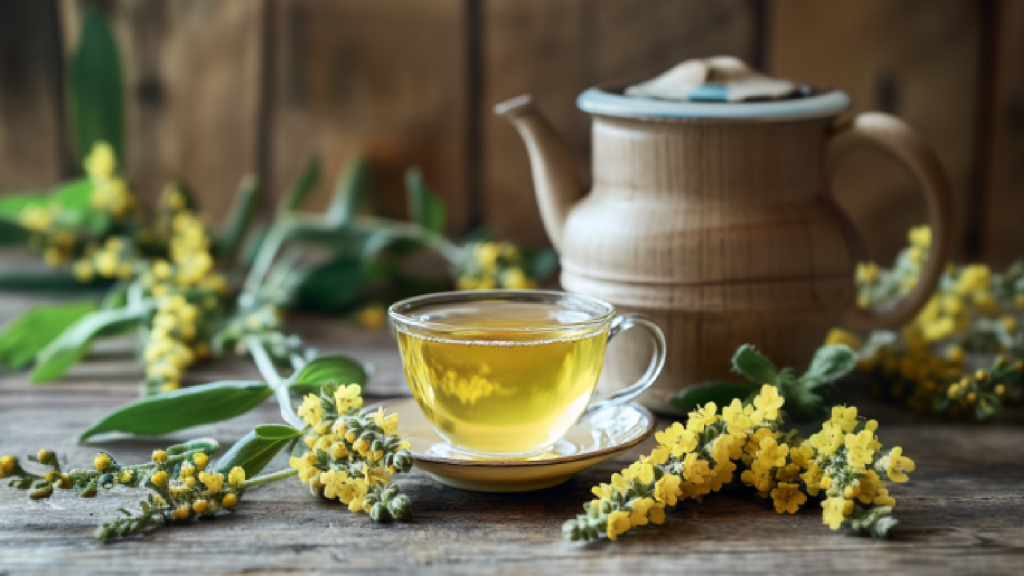
Mullein leaf tea has long been used to support respiratory health. Its soothing compounds help calm irritated airways and encourage the body to clear mucus buildup.
Drinking mullein leaf tea throughout the day can help ease chest congestion and coughing. Many people combine it with thyme or licorice root for stronger respiratory support.
Heart Health & Circulation: Hawthorn Berry Tea

Hawthorn berry tea is a traditional herbal tonic for cardiovascular health. Rich in antioxidants and flavonoids, it helps support circulation, healthy blood pressure, and heart strength.
Drinking hawthorn berry tea regularly may also help calm stress-related palpitations. Its mild fruity flavor makes it a comforting tea that supports both emotional balance and heart health.
Final Thoughts: Healing One Cup at a Time
In a fast-paced world, subtle signals like fatigue, tension, or restless sleep remind us to slow down and reconnect with our bodies. Herbal tea offers a gentle daily ritual that invites calm, encourages relaxation, and supports natural healing with every warm, mindful sip.
These plant infusions offer more than simple comfort. Their natural compounds help calm inflammation, support digestion, balance hormones, and strengthen immunity. Over time, a daily cup can become a small but meaningful habit that supports lasting balance and overall wellness.
Continue Your Wellness Journey
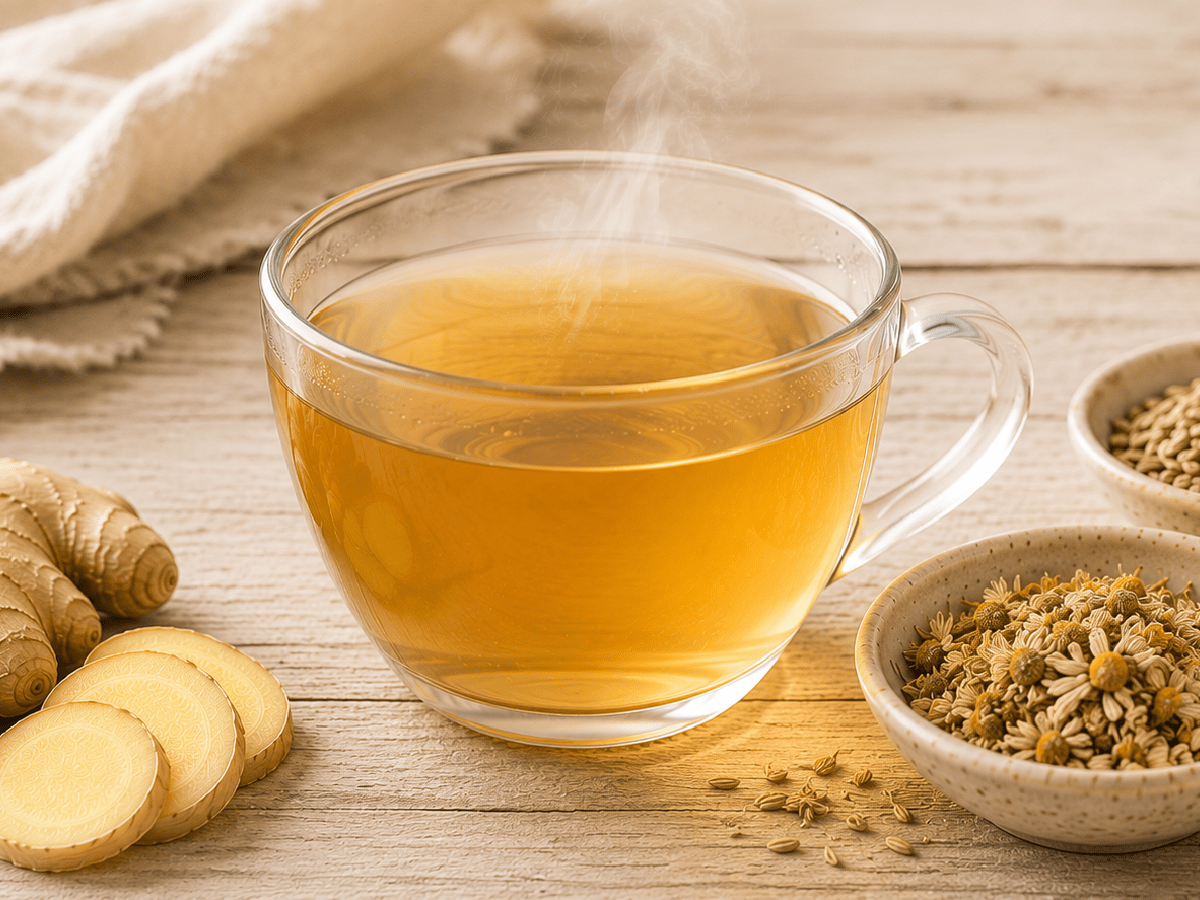
Ginger Digestive Tea
Sometimes your stomach lets you know it needs a little extra kindness. Whether it’s after a rich meal, a busy day, or simply one of those moments when everything feels…
Read More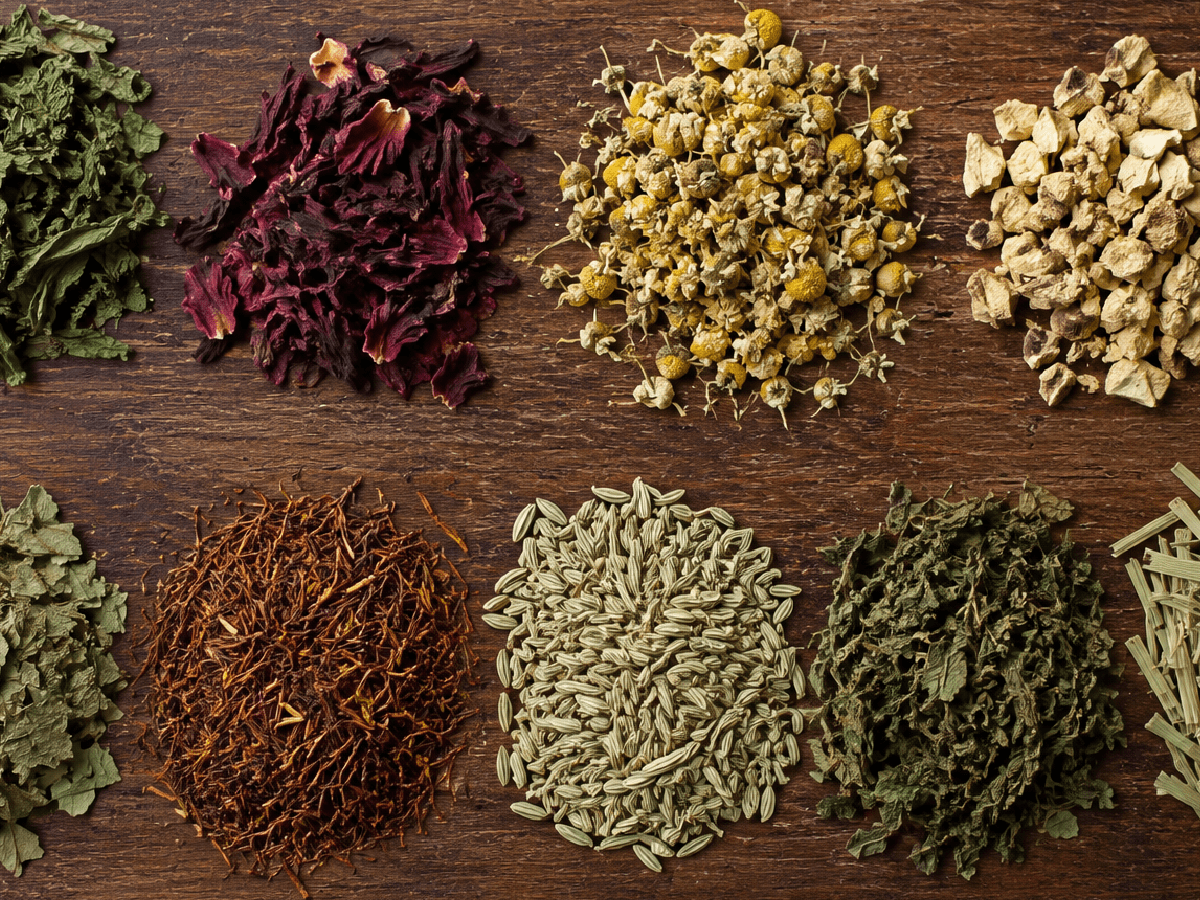
9 Hydrating Herbal Teas to Replenish Your Body Naturally
Hydration plays a vital role in nearly every system of the body. It supports energy production, circulation, digestion, temperature balance, and healthy cellular function. When the body becomes dehydrated, symptoms…
Read More
9 Essential Natural Immunity Boosters
Your immune system works quietly in the background, protecting your body from viruses, bacteria, and daily environmental stress. Yet modern habits like poor sleep, chronic stress, and nutrient gaps can…
Read More
