
10 Natural Foods That Support Gut Health, Immunity & More
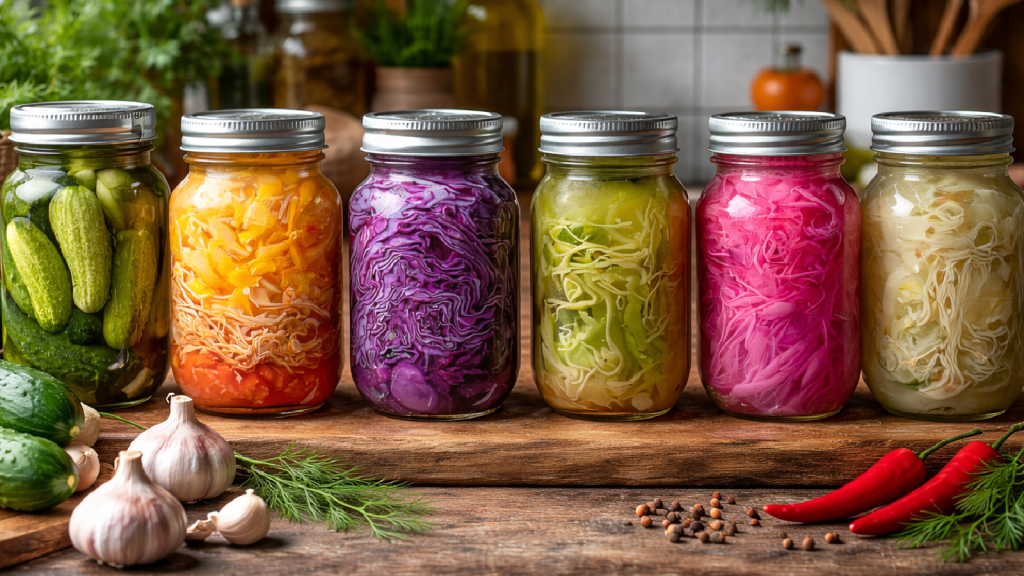
Your gut is far more than a place where food is digested. It plays a major role in immunity, mood, hormones, and energy. When the gut microbiome is balanced, it helps the body absorb nutrients, regulate inflammation, and maintain steady wellness throughout the day.
Probiotics are beneficial bacteria that help maintain this delicate balance. Found in fermented foods and supplements, they nourish the microbiome and support digestion. Traditional cultures around the world have relied on probiotic foods for centuries to maintain vitality and resilience.
In this guide, we’ll explore ten probiotic foods that help nourish your microbiome naturally. From yogurt and kefir to kimchi and kombucha, these foods provide simple ways to strengthen digestion and support whole-body wellness.
At a Glance
Reading Time: 8 minutes
Best Known For: Gut Health, digestion, & immunity
Focus: Nourishing a healthy mircobiome
Enjoy As: Fermented foods, drinks, and everyday meals
Good to Know: A little fermented food can go a long way
1. Greek Yogurt
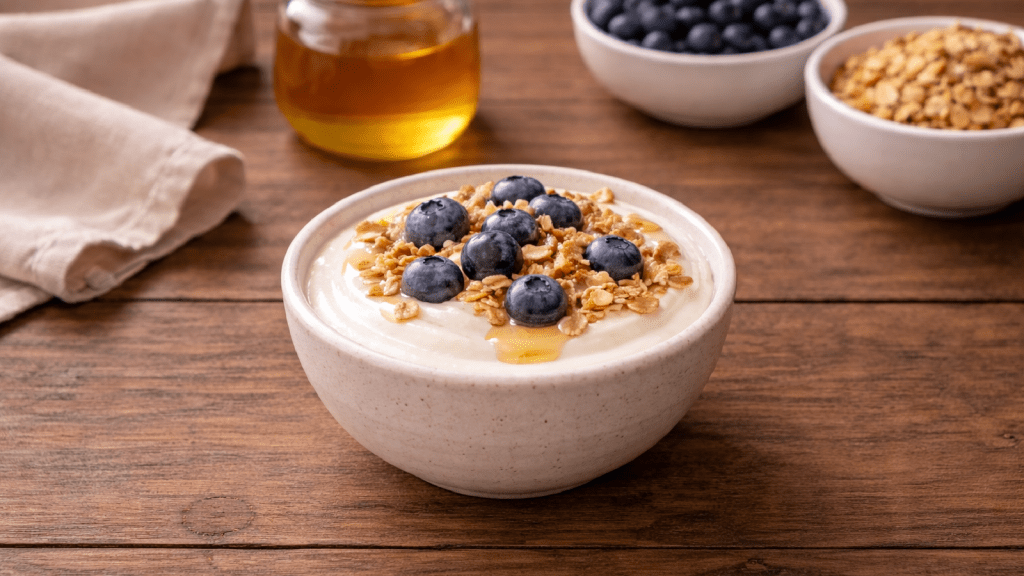
Greek yogurt is one of the most familiar probiotic foods and an easy way to support gut health. It contains beneficial bacteria such as Lactobacillus and Bifidobacterium that help balance digestion and strengthen immune function naturally.
Choose plain Greek yogurt with live cultures listed on the label for the greatest probiotic benefit. Enjoy it with fresh fruit, nuts, or raw honey, or add it to smoothies and breakfast bowls for a simple daily habit that supports digestion.
2. Kefir

Kefir is a fermented drink traditionally made from milk and kefir grains. It contains a remarkable diversity of probiotic strains that help support digestion, improve nutrient absorption, and encourage a healthier balance of gut bacteria.
Because kefir contains both beneficial bacteria and yeasts, it offers broader probiotic diversity than many fermented foods. Drink it on its own, blend it into smoothies, or pour it over granola for a tangy, probiotic-rich start to your day.
3. Sauerkraut
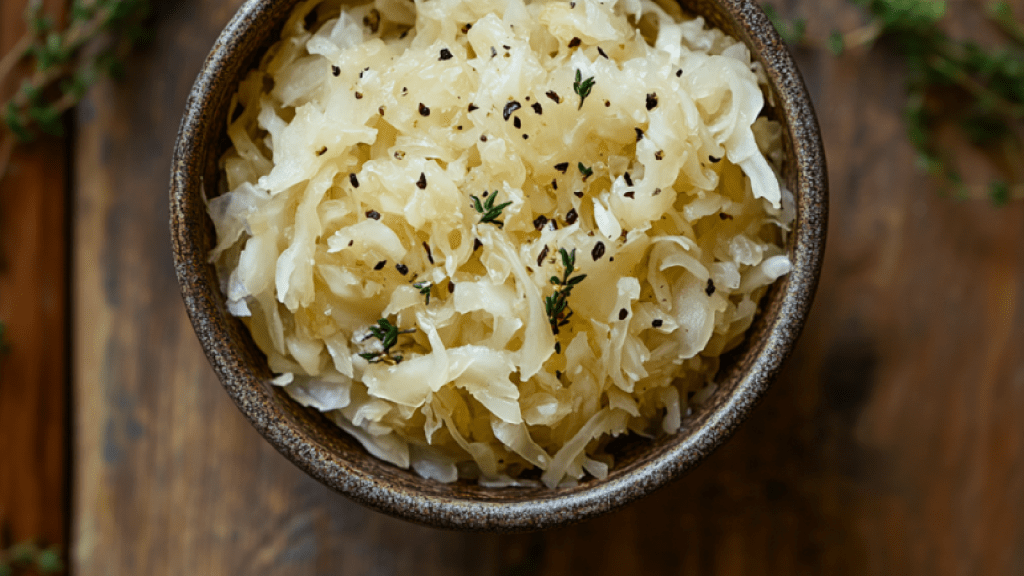
Sauerkraut is created by fermenting cabbage in saltwater, a process that naturally develops beneficial bacteria. These probiotics help support digestive balance while strengthening the gut lining and encouraging a healthier microbiome.
Raw, unpasteurized sauerkraut provides the most probiotic benefit. Add a spoonful to sandwiches, salads, grain bowls, or roasted vegetables to introduce living cultures into meals while also adding bright flavor.
4. Kimchi

Kimchi is a traditional Korean fermented dish made from cabbage, radish, garlic, ginger, and chili. During fermentation, beneficial bacteria develop that help support gut balance and provide enzymes that aid digestion.
Its bold flavor makes it easy to include in everyday meals. Add kimchi to rice bowls, eggs, soups, or avocado toast for a probiotic boost that also adds depth and spice to simple dishes.
5. Miso

Miso is a traditional fermented paste made from soybeans combined with rice or barley and cultured with koji. This fermentation process creates beneficial bacteria that help support digestion and maintain microbiome balance.
To preserve its probiotics, avoid boiling miso. Stir a spoonful into warm water for simple miso soup, or mix it into salad dressings and marinades to add savory flavor and gut-supportive benefits to meals.
6. Tempeh

Tempeh is a fermented soybean food originally from Indonesia that offers both plant protein and beneficial microbes. The fermentation process creates compounds that support digestion and help nourish healthy gut bacteria.
Its firm texture and nutty flavor make it versatile in cooking. Slice and grill it, bake it, or crumble it into stir-fries and grain bowls to add protein while naturally supporting gut health.
7. Kombucha

Kombucha is a lightly sparkling fermented tea made using a culture known as a SCOBY. During fermentation, beneficial bacteria and organic acids form that help support digestion and encourage microbiome balance.
Many people enjoy kombucha as a refreshing alternative to soda. A small glass before or with meals can gently support digestion while providing a light probiotic boost during the day.
8. Pickles (Naturally Fermented)
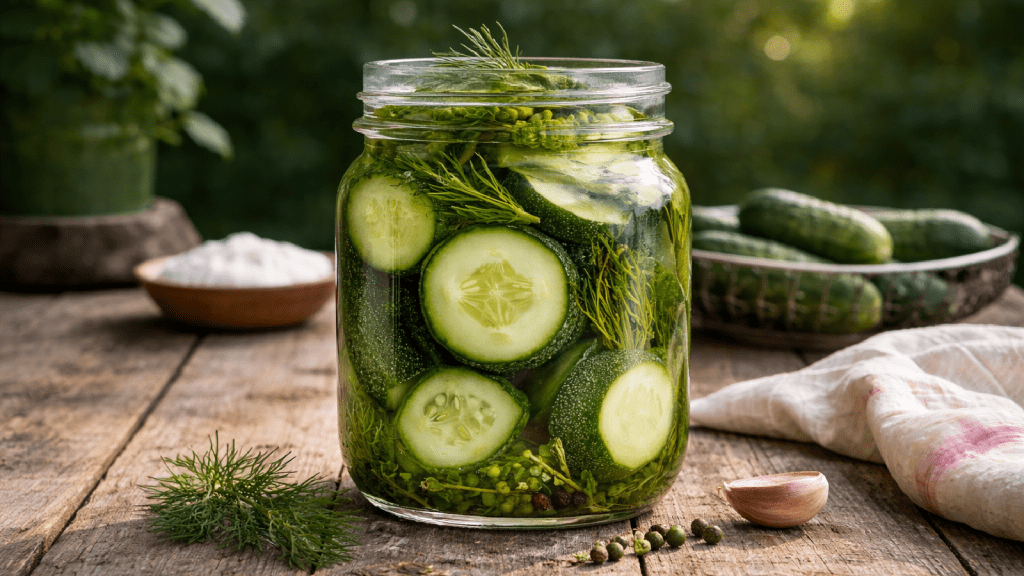
Traditional fermented pickles are made by soaking cucumbers in saltwater brine rather than vinegar. This fermentation process allows beneficial bacteria to grow naturally, creating probiotics that support digestive health.
Look for pickles labeled raw, fermented, or unpasteurized to ensure they contain live cultures. Enjoy a few slices alongside meals or sandwiches to introduce probiotic support into your diet.
9. Apple Cider Vinegar (with the ‘Mother’)

Raw apple cider vinegar contains the “mother,” a cloudy mixture of beneficial bacteria and enzymes formed during fermentation. This living culture can help support digestion and maintain balance within the gut microbiome.
Many people dilute one or two teaspoons in water before meals or use it in salad dressings and marinades. For more benefits of this traditional tonic, read 7 Health Benefits of Apple Cider Vinegar.
10. Kvass
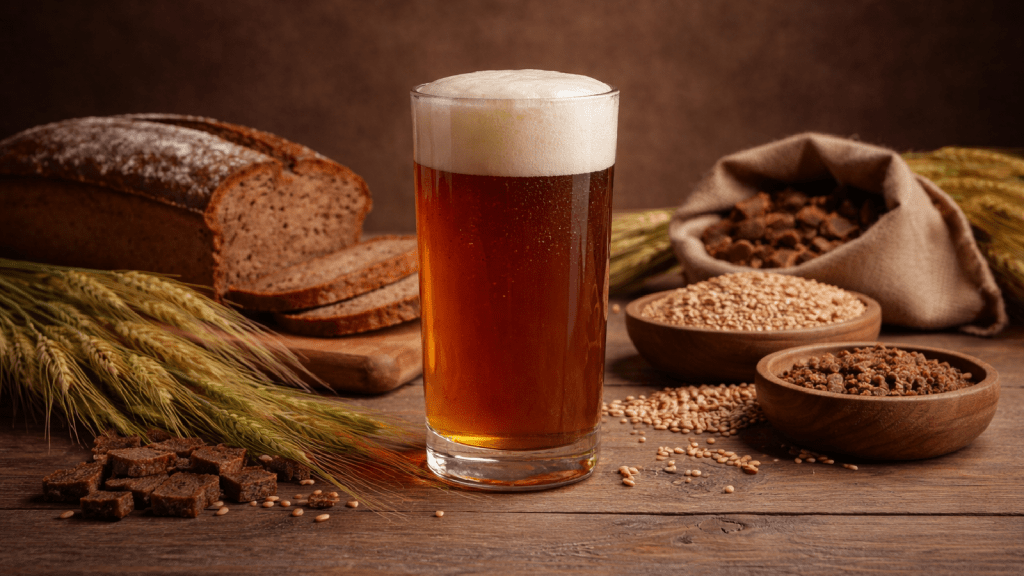
Kvass is a traditional fermented beverage from Eastern Europe often made from rye bread or beets. This tangy drink contains beneficial bacteria that help support digestion and encourage healthy gut flora.
Beet kvass is especially popular for its mineral content and digestive benefits. Enjoy a few ounces before meals or sip it throughout the day as a savory probiotic drink.
Final Thought:
A healthy gut supports far more than digestion. When the microbiome is balanced, the body can absorb nutrients efficiently, regulate inflammation, and maintain stronger immunity and energy.
Including probiotic foods in daily meals helps nourish beneficial bacteria naturally. Even small servings of fermented foods can gradually improve gut balance and digestive comfort.
Adding yogurt to breakfast, sauerkraut to lunch, or kombucha to your afternoon routine can make supporting gut health simple. Over time, these small habits can build a stronger microbiome and lasting wellness.
Continue Your Wellness Journey
Ginger Digestive Tea
Sometimes your stomach lets you know it needs a little extra kindness. Whether it’s after a rich meal, a busy day, or simply one of those moments when everything feels…
Read More
11 Foods That Naturally Support Hormone Balance
Some days your body seems to whisper that something feels a little different. Your energy isn’t quite as steady, your mood shifts more easily, sleep feels less restful, or cravings…
Read More
10 Herbs Traditionally Used for Healthy Digestion
Some days your digestive system quietly lets you know it needs a little extra care. A rushed lunch, a stressful afternoon, or one too many meals eaten on the go…
Read More Mama’s Natural Journey