
Adaptogens: 7 Healing Herbs That Help the Body Handle Stress

Modern life moves fast, and the body often feels the strain of constant demands. Long workdays, ongoing stress, and endless digital stimulation can leave many people dealing with low energy, restless sleep, brain fog, or hormone imbalances. These signals often reflect a nervous system that needs support.
In response, many people are turning toward natural ways to restore balance and resilience. One group of herbs gaining renewed attention is known as adaptogens. These plants have been used for centuries to help the body cope with stress while supporting steady energy, focus, and overall well-being.
Adaptogenic herbs have deep roots in traditional healing systems such as Ayurveda and Traditional Chinese Medicine. Modern research is now beginning to confirm what herbalists have long understood. These plants help the body adapt to stress, restore equilibrium, and maintain a healthier rhythm through the pressures of everyday life.
At a Glance
Reading Time: 9 minutes
Best For: Stress and Energy
Focus: Supporting the body through stress
Enjoy As: Teas, powders, tinctures, and capsules
Good to Know: Adaptogens work best with consistent use
What Are Adaptogens?
Adaptogens are a unique group of herbs and natural compounds that help the body adjust to different forms of stress. This includes physical strain, emotional pressure, environmental challenges, and even hormonal shifts that can disrupt the body’s natural balance.
Unlike stimulants or sedatives that push the body in one direction, adaptogens work more gently by helping regulate the stress response itself. They support systems such as the nervous system and the hypothalamic pituitary adrenal axis, which plays a central role in managing cortisol and other stress hormones.
To qualify as an adaptogen, an herb must be safe for long term use, help the body respond to a wide range of stressors, and promote balance rather than forcing a strong reaction. With regular use, adaptogens may support steadier energy, clearer thinking, better sleep, and stronger immune resilience.
1. Lower Cortisol & Calm the Stress Response

One of the most valuable benefits of adaptogens is their ability to help regulate cortisol, the body’s primary stress hormone. When cortisol stays elevated for long periods, it can disrupt sleep, mood, metabolism, and hormone balance. Holy basil, also known as tulsi, has long been respected for its calming effect on the stress response.
In Ayurvedic medicine, tulsi is traditionally used to promote emotional balance and mental clarity while supporting the nervous system. It works gently to help stabilize cortisol levels and ease tension. Many people enjoy tulsi as a warm herbal tea in the evening or take it as a tincture to encourage calm focus during stressful days.
2. Support Adrenal Health
Long-term stress can place a heavy burden on the adrenal glands, which produce hormones like cortisol and adrenaline that help the body respond to pressure. When these glands stay overworked for too long, energy can begin to fade and the body may feel exhausted even after adequate rest.
Adaptogenic herbs such as ashwagandha and rhodiola are often used to support adrenal resilience during prolonged stress. Ashwagandha is known for its grounding, calming effect that helps regulate cortisol and steady the nervous system, while rhodiola supports stamina, mental clarity, and oxygen efficiency, making it especially helpful for fatigue or burnout.
3. Boost Energy & Stamina Without the Crash

Many people rely on caffeine or sugar to push through fatigue, but these quick boosts are often followed by sharp energy crashes. Adaptogens offer a steadier approach by supporting how the body produces and uses energy at the cellular level, helping maintain more balanced stamina throughout the day.
Eleuthero, often called Siberian ginseng, has long been used to support endurance and physical resilience. It helps the body adapt to demanding schedules while promoting recovery and vitality. Many people take eleuthero as a tincture or capsule in the morning or early afternoon to encourage steady physical and mental energy.
4. Strengthen Immunity
Chronic stress can gradually weaken the immune system, leaving the body more vulnerable to infections and slower to recover from illness. Adaptogens help strengthen the connection between the nervous system and immune system, supporting balanced immune activity during periods of ongoing stress.
Reishi mushroom is one of the most respected adaptogenic mushrooms for immune support. It helps regulate inflammation, encourage healthy immune responses, and promote deeper rest at night. Many people enjoy reishi as a mushroom coffee, powdered extract, or capsule for both immune resilience and calming support.
5. Balance Hormones Naturally

Hormone imbalances can appear in many forms, including mood changes, irregular cycles, fatigue, and shifts in reproductive health. Adaptogens help support the endocrine system, the network of glands responsible for producing and regulating hormones throughout the body.
Maca root is widely used to support hormonal balance, fertility, and libido by nourishing the endocrine system without supplying hormones directly. Schisandra berry complements this support by strengthening liver function, which helps process hormones like estrogen. Maca powder is often blended into smoothies or warm drinks, while schisandra is commonly used in teas, tinctures, or herbal blends.
6. Enhance Mental Clarity & Focus
Stress and poor sleep can make it difficult to concentrate or think clearly. Adaptogens support brain health by improving circulation and helping protect brain cells from oxidative stress, creating a more supportive environment for mental clarity and focus.
Lion’s mane mushroom has gained attention for its ability to stimulate nerve growth factor, a compound that supports the repair and growth of neurons. This may benefit memory, focus, and cognitive function. Lion’s mane is often taken as a powder, capsule, or extract and can be blended into coffee alternatives, smoothies, or warm drinks.
If you’re looking for more ways to replace your morning coffee, take a look at our guide 9 Healthy Coffee Alternatives to Power Your Day.
7. Protect Against Oxidative Stress & Inflammation

Many long-term health concerns are linked to chronic inflammation and oxidative stress. Adaptogenic plants often contain powerful antioxidants that help protect cells while supporting the body’s natural detox and repair systems.
Turmeric is widely known for its anti-inflammatory effects, thanks to its active compound curcumin, which helps calm inflammation and support cellular health. Schisandra berry also provides strong antioxidant protection while supporting liver function. Turmeric is easily added to soups, curries, or golden milk, while schisandra is often enjoyed as tea or herbal extract.
Final Thoughts:
Adaptogens are not quick fixes. These herbs work gradually with the body’s natural rhythms, helping restore balance over time rather than forcing an immediate effect. Many people begin by introducing one or two adaptogens into their daily routine and observing how their body responds.
A calming cup of tulsi tea in the evening, maca blended into a morning smoothie, or an ashwagandha tincture during stressful periods can become simple daily rituals. With consistent use, these herbs may support steadier energy, calmer moods, clearer thinking, and greater resilience as the body returns to a more balanced state.
Continue Your Wellness Journey
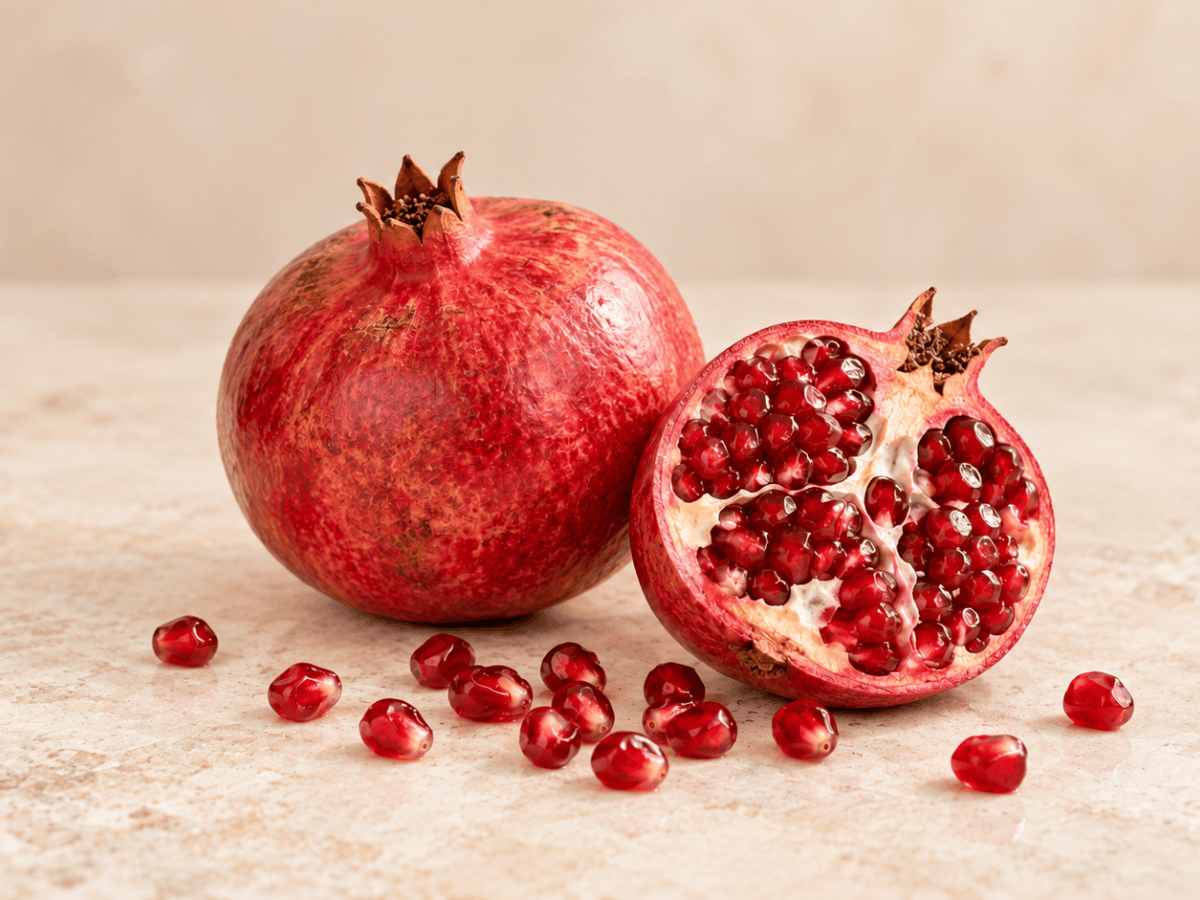
Ruby Red & Remarkable: 8 Reasons to Love Pomegranate
Crack open a pomegranate and you are rewarded with hundreds of glistening ruby jewels, each bursting with that unmistakable mix of sweetness and tartness. It is a fruit that makes…
Read More
Blueberries: The Tiny Fruit With Some Remarkable Benefits
There is something almost too perfect about a handful of blueberries. Plump, sweet, and stained that beautiful dusky blue, they feel more like a little summer treat than a food…
Read More
More Than a Sprinkle: 8 Remarkable Benefits of Cinnamon
There is something instantly comforting about cinnamon. The moment its warm, sweet scent begins drifting through the kitchen, an ordinary bowl of oatmeal or freshly baked treat somehow feels a…
Read More
