
Seasonal Allergies Driving You Crazy? Try These 8 Natural Remedies

There is something bittersweet about the changing seasons. Flowers begin to bloom, trees burst with fresh green leaves, and warm breezes invite us back outside. But for many people, those beautiful signs of spring also bring sneezing, itchy eyes, and days spent reaching for tissues instead of enjoying the sunshine.
Seasonal allergies can make even the simplest outdoor moments feel uncomfortable. While medications help many people find relief, others also look for gentle, natural ways to support their bodies during allergy season and make those high pollen days a little easier to manage.
From soothing herbal teas to nourishing foods and simple home remedies, nature offers plenty of time honored ways to support overall wellness. These eight natural remedies have been appreciated for generations and may help you breathe a little easier while making the most of the season.
At a Glance
Reading Time: 8 minutes
Best For: Seasonal allergies and hay fever
Enjoy As: Foods, teas, supplements, and home remedies
Focus: Gentle allergy support
Good To Know: Daily habits can make allergy season more manageable.
Why Natural Allergy Relief Matters
Seasonal allergies are more than just a few sneezes. When pollen, dust, and other airborne allergens fill the air, they can leave you feeling congested, tired, and unable to fully enjoy the changing seasons.
Natural remedies take a gentle approach by helping support the body’s normal response to seasonal allergens while encouraging overall wellness. Whether it’s nourishing your immune system, rinsing away pollen, or enjoying herbs that have been treasured for generations, small daily habits can make a meaningful difference over time.
While no remedy can eliminate every allergy symptom, combining natural support with healthy lifestyle habits may help you feel more comfortable, breathe a little easier, and spend more time enjoying the beauty of the outdoors.
1. Local Raw Honey
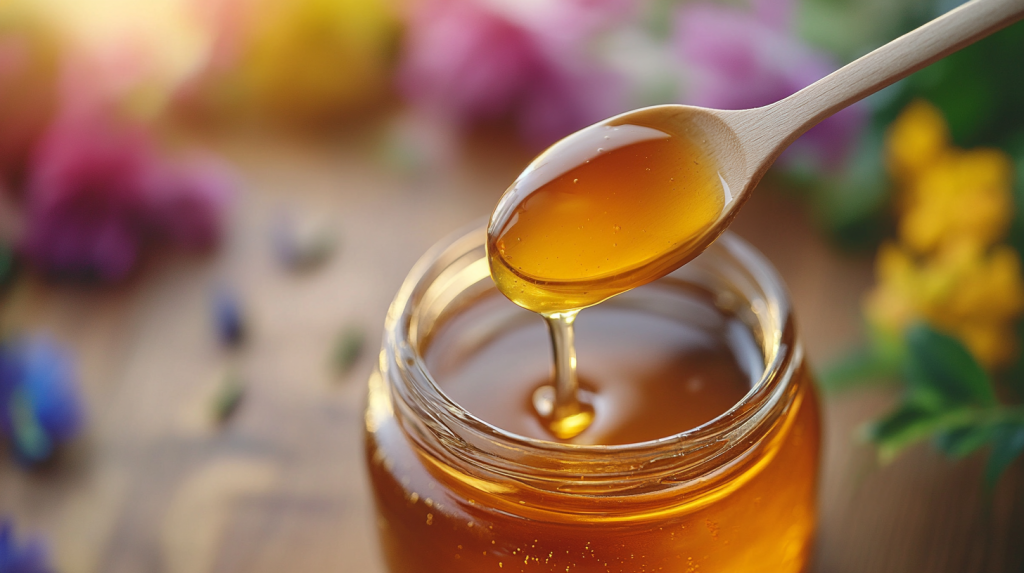
There’s something special about a jar of honey gathered close to home. Made from the nectar of nearby wildflowers, local raw honey has been a favorite natural remedy for generations and is often one of the first things people reach for when allergy season arrives.
Many people enjoy a spoonful of local raw honey each day as part of their seasonal wellness routine, believing that regular use may help the body become more familiar with local pollen over time. Stir it into a warm cup of tea, drizzle it over yogurt, or enjoy it by the spoonful. If you’d like to learn more about this golden remedy, be sure to read my guide on the Health Benefits of Raw Local Honey.
2. Stinging Nettle
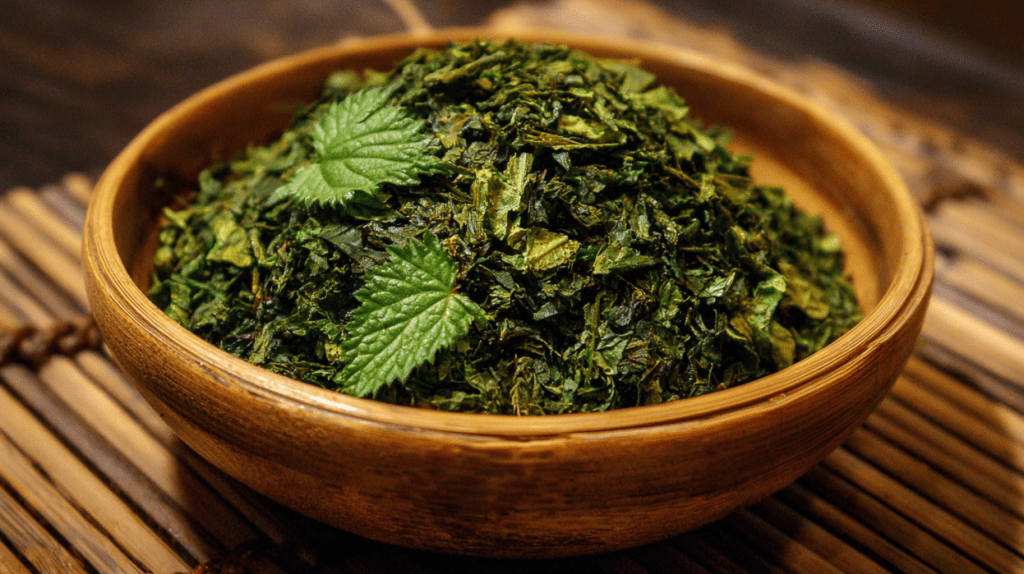
At first glance, stinging nettle doesn’t look like a plant you’d want to get close to. Yet beneath its prickly leaves is one of the most respected herbs for supporting seasonal wellness, treasured by herbalists for generations.
Stinging nettle has long been used to help the body feel more comfortable during allergy season while supporting overall immune wellness. Many people enjoy sipping nettle tea throughout the day, while nettle capsules offer a convenient option during the height of pollen season.
3. Quercetin
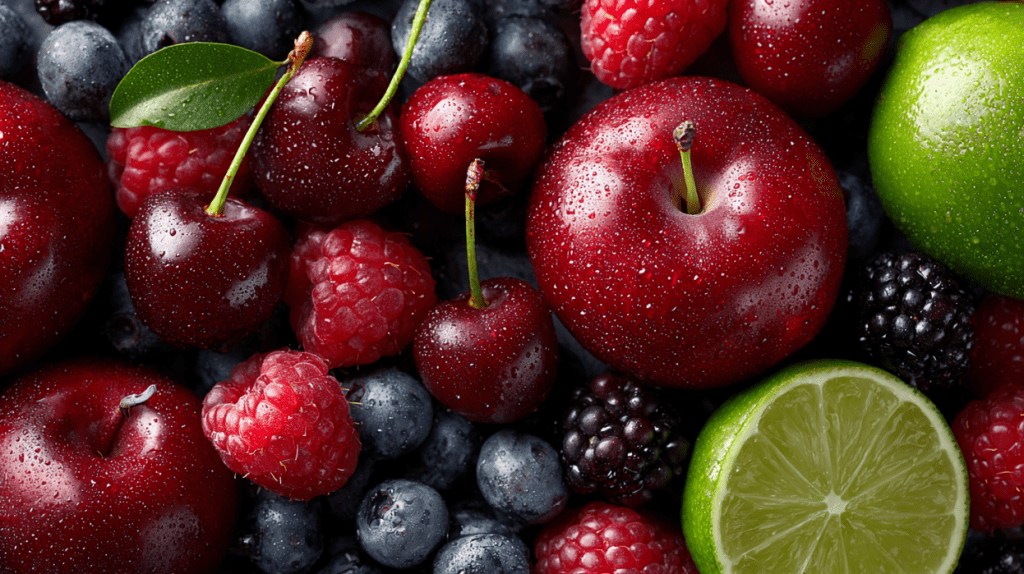
Sometimes the best remedies aren’t herbs at all, but natural compounds found in colorful fruits and vegetables. Quercetin is one of nature’s most well known plant compounds, naturally found in apples, onions, berries, and leafy greens.
Many people include quercetin in their seasonal wellness routine because of its traditional role in supporting the body’s natural response to environmental allergens. While eating quercetin rich foods is always a wonderful place to start, a high quality quercetin supplement, often paired with bromelain, is another popular option during allergy season.
4. Butterbur Root
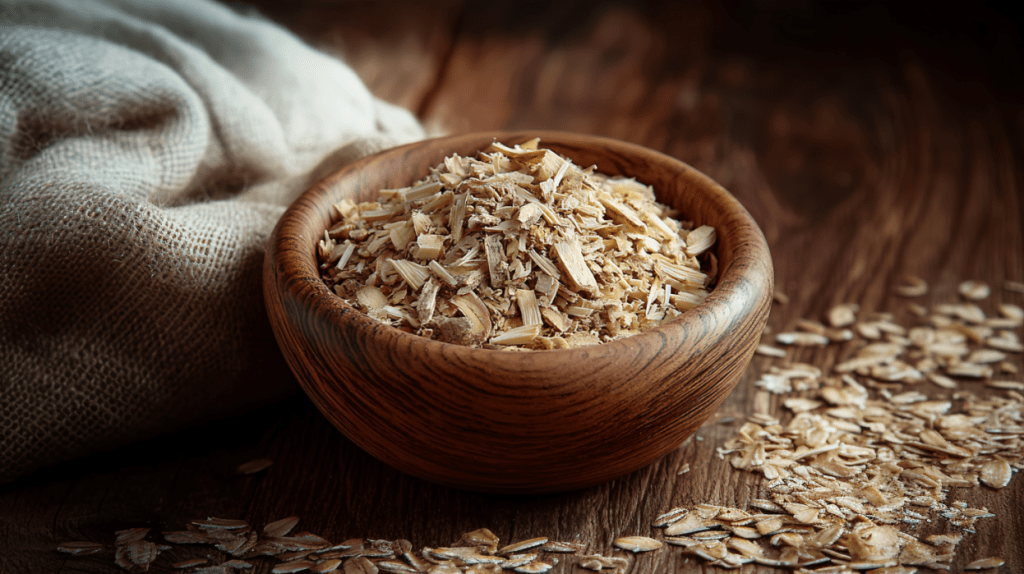
Some of the most trusted herbal remedies have been passed down through generations, and butterbur is one of them. This traditional European herb has long been appreciated by those looking for natural ways to stay comfortable during the height of allergy season.
Butterbur has been traditionally used to support clear breathing and overall seasonal wellness. If you’re interested in trying it, be sure to choose a high quality PA-free butterbur supplement, as this is the form most commonly recommended for safe use.
5. Neti Pot
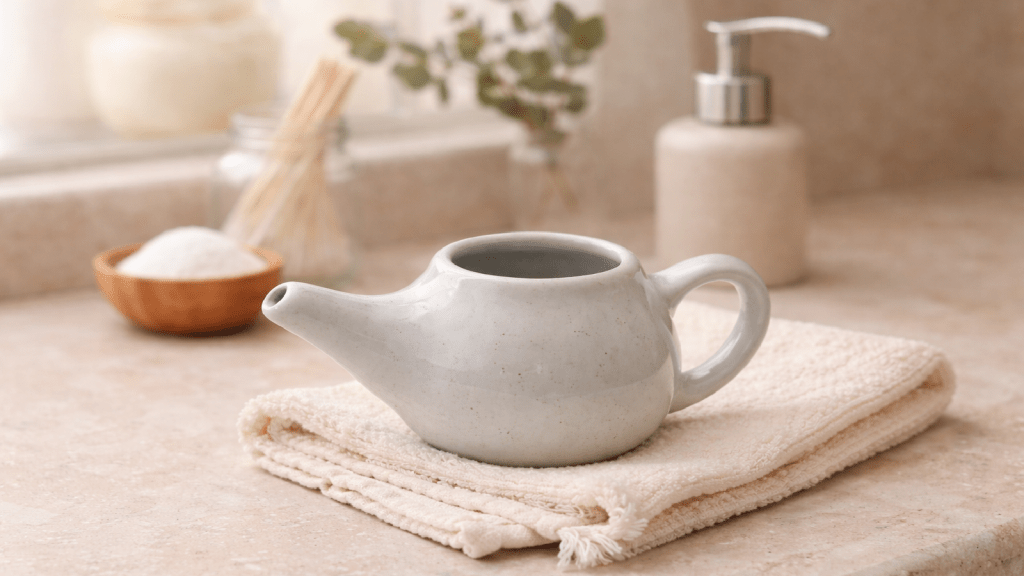
Sometimes the simplest remedies are also the most refreshing. A neti pot has been used for generations as a gentle way to rinse away pollen, dust, and other airborne particles that can build up throughout the day.
Using a saline rinse can leave your nose feeling clearer and more comfortable, especially after spending time outdoors. If you’re new to nasal rinsing, a ceramic or BPA-free neti pot paired with pre-measured saline packets makes it easy to add this simple ritual to your daily routine.
6. Probiotics

Good health often begins in places we don’t expect. Caring for your gut is another way of caring for your immune system, which is why probiotics have become an important part of many natural wellness routines.
Probiotics help support a healthy balance of beneficial bacteria, and many people include them in their daily routine throughout allergy season. You can find them in foods like yogurt, kefir, and sauerkraut, or choose a high quality daily probiotic supplement for an easy way to support overall wellness.
7. Vitamin C
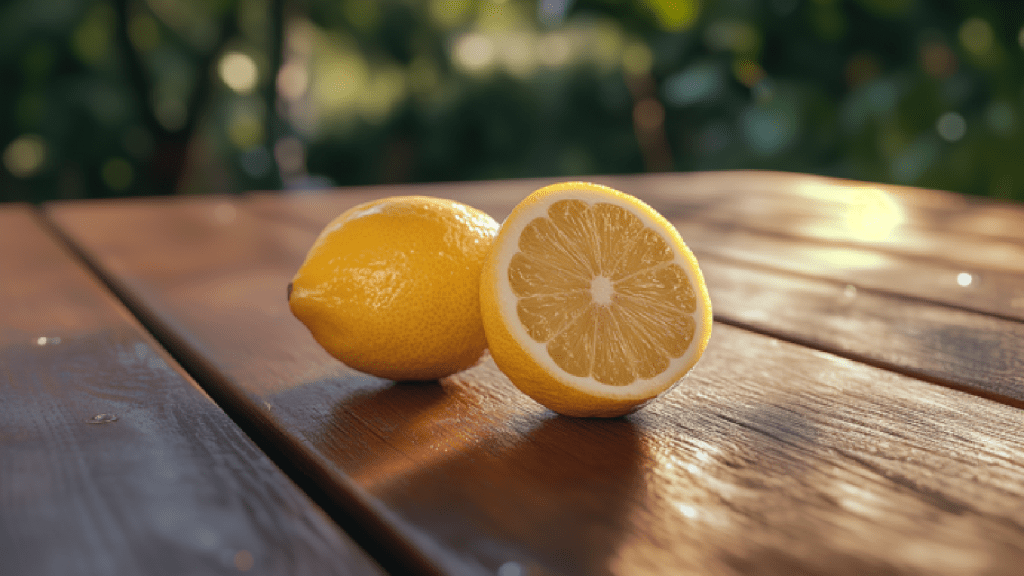
Bright, colorful fruits and vegetables have a wonderful way of bringing both flavor and nourishment to the table. Vitamin C has long been celebrated as one of the most recognizable nutrients for supporting everyday immune wellness, making it a favorite during allergy season.
Citrus fruits, strawberries, kiwi, and bell peppers are all delicious ways to enjoy more vitamin C naturally. If you’re looking for extra support, a high quality vitamin C supplement is another simple option that many people include in their daily routine.
8. Spirulina

Nature’s deepest greens often hold some of its most remarkable treasures. Spirulina, a vibrant blue green superfood, has become increasingly popular for its rich nutritional profile and the gentle support it offers for overall wellness.
Many people add spirulina to smoothies or fresh juices as part of their daily routine, especially during times when they want to support their immune system naturally. Choosing an organic spirulina powder or spirulina tablets makes it easy to enjoy this nutrient rich superfood every day.
Final Thoughts:
Seasonal allergies may come and go with the changing seasons, but a few simple habits can make those months feel much more enjoyable. Whether you choose nourishing foods, calming herbs, or gentle home remedies, nature offers many ways to help support your body throughout allergy season.
Start with one or two remedies that fit naturally into your daily routine and give your body time to respond. With a little consistency and a well rounded approach, you may find yourself spending less time focused on allergy symptoms and more time enjoying everything the season has to offer.
Continue Your Wellness Journey
Homemade Digestive Bitters
There are times when your stomach simply feels like it needs a little extra support. Whether it’s after a large meal, rich foods, or one of those days when digestion…
Read More
Elderflower Cold Relief Tea
When the first signs of a cold begin to appear, even the simplest comforts can feel deeply restorative. A scratchy throat, stuffy nose, or lingering chill often invites us to…
Read More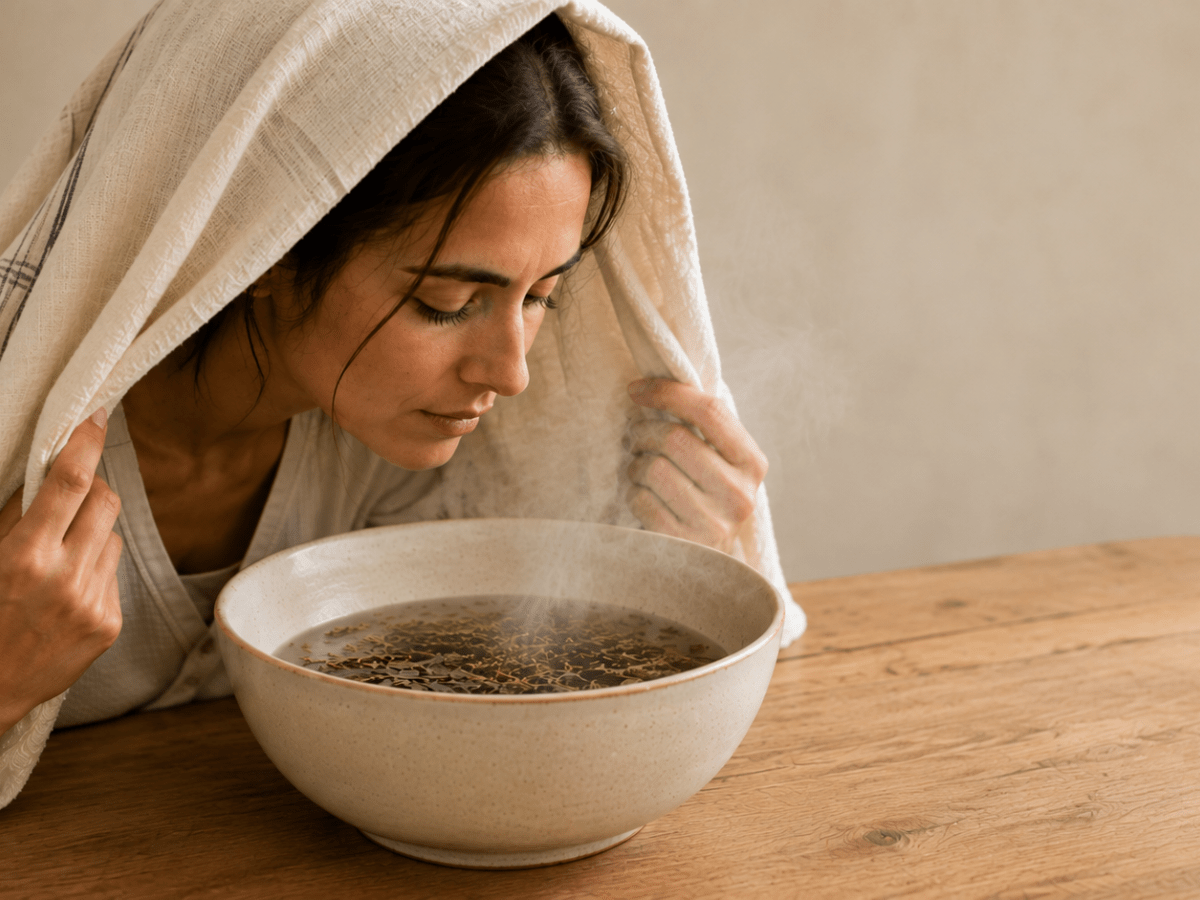
Mullein Steam Bowl for Congestion
When congestion settles deep into the chest and sinuses, even simple things like resting, breathing comfortably, or falling asleep can start to feel exhausting. A warm herbal steam bowl is…
Read More Mama’s Natural Journey