
Breathe Easy: 8 Natural Ways to Relieve Hay Fever
What Is Hay Fever?

Hay fever, or allergic rhinitis, is more than a seasonal annoyance. It happens when your immune system mistakes harmless particles like pollen, mold spores, dust mites, or pet dander for dangerous invaders. This overreaction triggers sneezing, itchy eyes, congestion, fatigue, and even “brain fog,” making daily life more challenging.
Unlike a cold or flu, hay fever isn’t viral, it’s an immune system overdrive. Over-the-counter antihistamines and decongestants can help, but they often bring drowsiness, dry mouth, or dependency with long-term use. That’s why many turn to natural remedies. These approaches work gently, calming immune responses, reducing inflammation, and helping your body adapt to seasonal triggers. Below, discover eight effective, plant-powered strategies to ease allergy symptoms and reclaim comfort during pollen season.
1. Local Raw Honey

Local raw honey is a classic natural remedy for hay fever. The idea is simple: by consuming honey made from local pollen, you expose your immune system to tiny amounts of allergens, helping it gradually build tolerance over time.
Raw honey retains pollen, enzymes, and antioxidants, all of which may help modulate immune responses and reduce inflammation. Regular use, especially starting a few months before pollen season, can decrease sneezing, itching, and congestion.
Incorporate it by drizzling over yogurt, stirring into herbal teas, adding to smoothies, or simply enjoying a spoonful each day. While scientific evidence is still growing, many allergy sufferers swear by this sweet, natural ritual to make seasonal symptoms more manageable.
2. Stinging Nettle
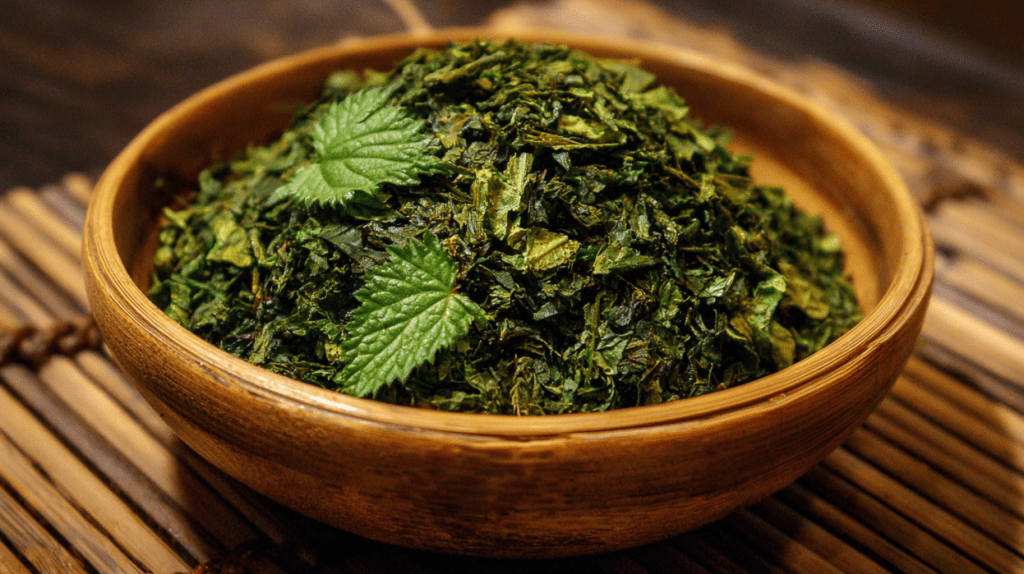
Despite its prickly exterior, stinging nettle (Urtica dioica) is a powerful ally against hay fever. Rich in vitamins, minerals, and natural antihistamine compounds, it helps block histamine surges that trigger sneezing, itchy eyes, and congestion.
Nettle works in two ways: it eases acute allergy symptoms while also calming underlying inflammation that fuels seasonal flare-ups. This dual action makes it a smart choice for both prevention and relief.
Available in teas, supplements, or tinctures, stinging nettle is most effective when started a few weeks before pollen season. Pairing it with quercetin or vitamin C may enhance its antihistamine properties, providing a more robust, synergistic approach to staying sneeze-free.
3. Quercetin

Quercetin, a flavonoid found in apples, onions, berries, and leafy greens, is a natural mast cell stabilizer. By preventing the release of histamine during allergic reactions, it helps reduce sneezing, watery eyes, and nasal congestion.
Beyond its antihistamine-like effects, quercetin acts as a potent antioxidant, soothing inflammation and supporting respiratory health. For enhanced absorption, it is often combined with bromelain, an enzyme from pineapple, which also amplifies its anti-inflammatory properties.
Taken consistently during allergy season, quercetin can provide noticeable relief for hay fever symptoms, while supporting long-term immune balance and overall respiratory wellness.
4. Butterbur Root
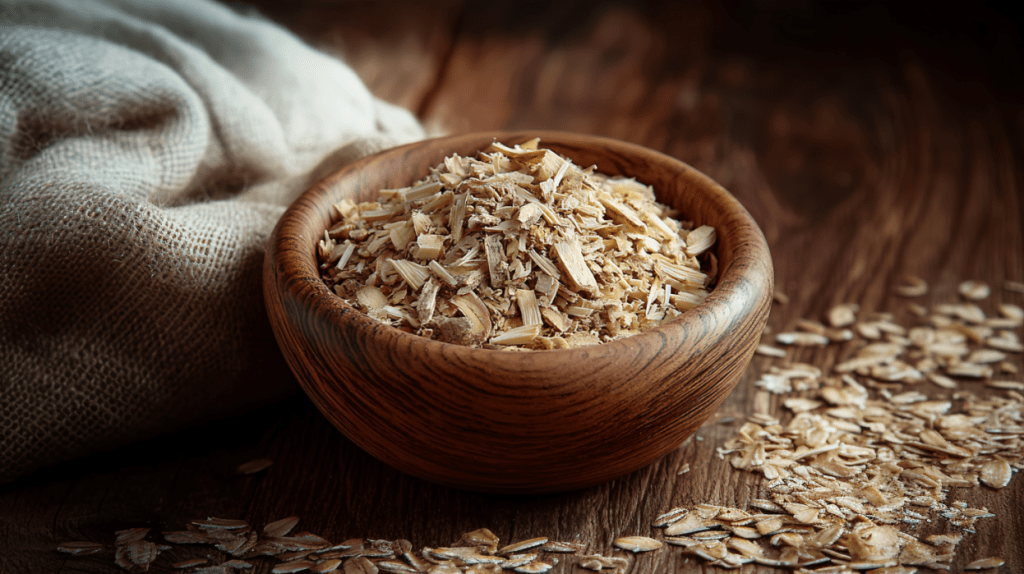
Butterbur (Petasites hybridus) is a European herb celebrated for its natural anti-inflammatory and antihistamine-like effects. Studies suggest that butterbur extract may be as effective as some OTC antihistamines, but without drowsiness.
The key compound, petasin, relaxes inflamed nasal passages and reduces spasms in the respiratory tract, alleviating sneezing, congestion, and sinus pressure. For safety, always choose PA-free butterbur supplements, which have pyrrolizidine alkaloids removed to protect the liver.
Daily use during allergy season can provide consistent relief, making butterbur a valuable option for those seeking a natural, drug-free approach to hay fever.
5. Neti Pot

For immediate relief from nasal congestion, a neti pot is a simple, highly effective tool. By flushing sinuses with a gentle saline solution, it removes pollen, mucus, and other irritants, easing pressure, post-nasal drip, and discomfort.
Regular nasal irrigation during allergy season can reduce reliance on medications and support clearer breathing. To stay safe, always use distilled or previously boiled water, and clean your neti pot thoroughly after each use. Though the sensation may feel unusual at first, the immediate relief and long-term benefits make it a worthwhile addition to your seasonal routine.
6. Probiotics

A healthy gut microbiome supports a balanced immune system, critical for managing hay fever. Around 70% of immune cells reside in the digestive tract, so nurturing gut health can reduce allergic reactions and symptom severity.
Probiotics help modulate immune responses, lower inflammation, and improve tolerance to allergens. Strains such as Lactobacillus rhamnosus and Bifidobacterium lactis are particularly beneficial for seasonal allergies.
Support your gut with probiotic-rich foods like yogurt, kefir, sauerkraut, and kimchi, or take a balancing supplement. A thriving gut ecosystem can strengthen your body’s defenses, helping you breeze through allergy season with fewer sneezes and irritation.
7. Vitamin C

Vitamin C is a natural antihistamine that helps break down histamine and calm inflammation. By reducing sneezing, congestion, and eye irritation, it provides a gentle, side-effect-free alternative to OTC allergy medications.
Its antioxidant properties protect cells from oxidative stress caused by allergic reactions. For optimal support, aim for 1,000–2,000 mg daily during pollen season, sourced from citrus, bell peppers, berries, or supplements. Splitting doses throughout the day can improve absorption and reduce stomach discomfort.
8. Spirulina

Spirulina, the nutrient-rich blue-green algae, helps modulate the immune system and reduce inflammatory cytokines and histamines. Studies show that daily supplementation can significantly reduce sneezing, nasal discharge, and congestion.
Beyond hay fever relief, spirulina supports overall detoxification and provides vitamins, minerals, and antioxidants. It can be consumed as a powder in smoothies and juices, or tablets. Choosing a clean, reputable product ensures potency and safety, making spirulina a powerful addition to your allergy-fighting toolkit.
Final Thoughts: Nature’s Solutions for Allergy Relief

Hay fever doesn’t have to dictate your seasons or keep you indoors when the world outside is blooming. Natural remedies work in harmony with your body by calming inflammation, regulating immune responses, and improving your tolerance to common allergens. Unlike quick-fix medications that often mask symptoms, these remedies target the root of the imbalance, offering a gentler and more sustainable way to find relief.
The key is to start early (ideally a few weeks before pollen peaks) and remain consistent so these plant-powered strategies have time to build their benefits. With preparation, patience, and regular use, you can significantly reduce sneezing, congestion, itchy eyes, and skin irritation. Over time, these natural supports help restore balance, making it possible to reclaim your energy, enjoy the outdoors, and breathe easier. With the right approach, spring and summer can feel less like a battle and more like the joyful, refreshing seasons they’re meant to be.
 Mama’s Natural Journey