
Feeling Off? These 14 Herbs May Help Support Hormone Balance
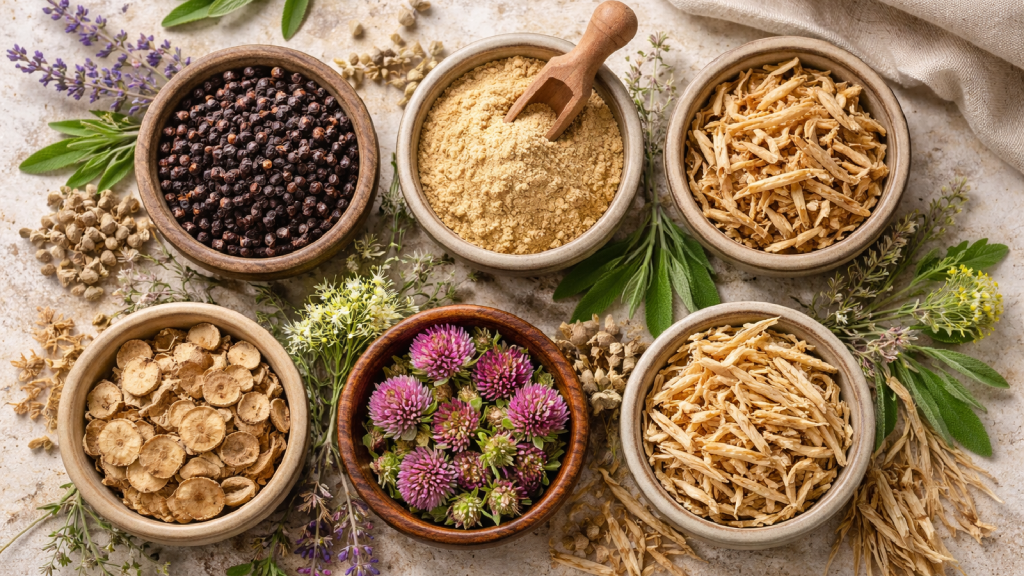
Some seasons of life arrive so quietly that we hardly notice them at first. You wake up feeling a little more tired than usual, your patience feels shorter, your sleep isn’t quite as restful, and somehow you just don’t feel like yourself anymore. It can be difficult to explain, but many women know exactly what that feeling is like.
Our hormones are constantly working behind the scenes, quietly influencing everything from energy and mood to sleep and reproductive health. As life changes through stress, motherhood, monthly cycles, or menopause, it’s natural for that delicate rhythm to shift from time to time.
For centuries, women have turned to nature for gentle support during these seasons of change. From nourishing roots to calming herbs and vibrant flowers, these fourteen time honored botanicals have been treasured for helping women care for their bodies with patience, balance, and a little extra kindness.
At a Glance
Reading Time: 10 minutes
Best For: Women’s hormones
Enjoy As: Tea, tinctures, capsules, and powders
Focus: Traditional herbal support
Good To Know: Healthy hormones thrive on consistent daily habits
1. Vitex (Chaste Tree Berry)
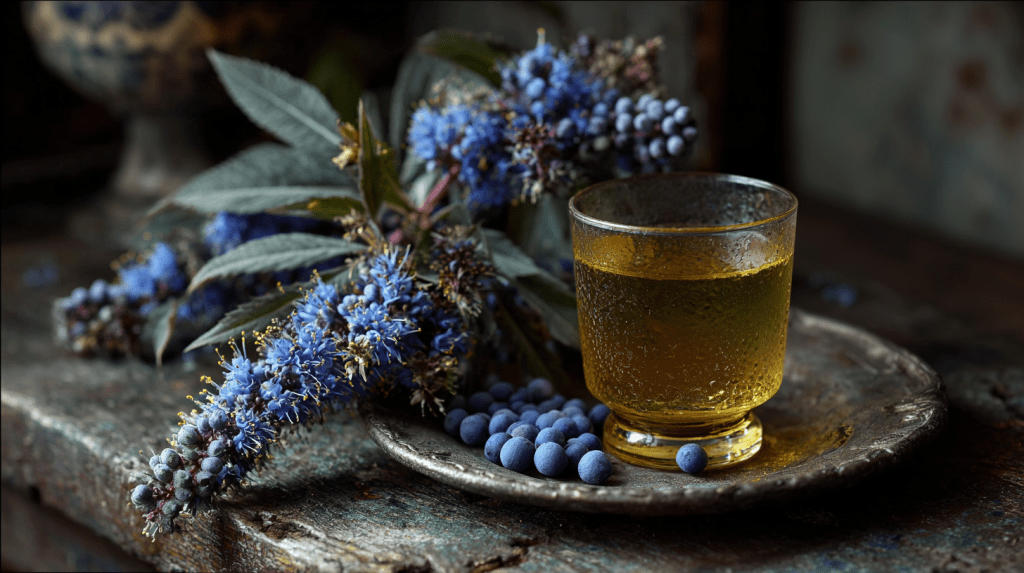
For generations, women have turned to vitex during seasons when their monthly rhythm felt a little out of balance. Sometimes called chaste tree berry, this small but remarkable herb has earned a trusted place in traditional herbal wellness for its gentle support of women’s reproductive health.
Rather than forcing the body to change, vitex is traditionally used to help encourage a healthy hormonal rhythm over time. Many women reach for it while navigating PMS, irregular cycles, or other natural hormonal transitions. Vitex is most commonly enjoyed as a tincture or capsule, making it an easy addition to a daily wellness routine.
2. Maca Root

High in the Andes Mountains, maca has been nourishing local communities for centuries. This hardy root is cherished not only for its ability to support steady energy, but also for helping women feel more balanced through different stages of life.
Unlike many herbs, maca doesn’t act like a stimulant. Instead, it has long been appreciated for nourishing the body as a whole while supporting vitality, mood, and overall hormonal wellness. Its naturally nutty flavor blends beautifully into smoothies, oatmeal, and warm drinks, while maca powder and capsules offer convenient ways to enjoy it every day.
3. Ashwagandha
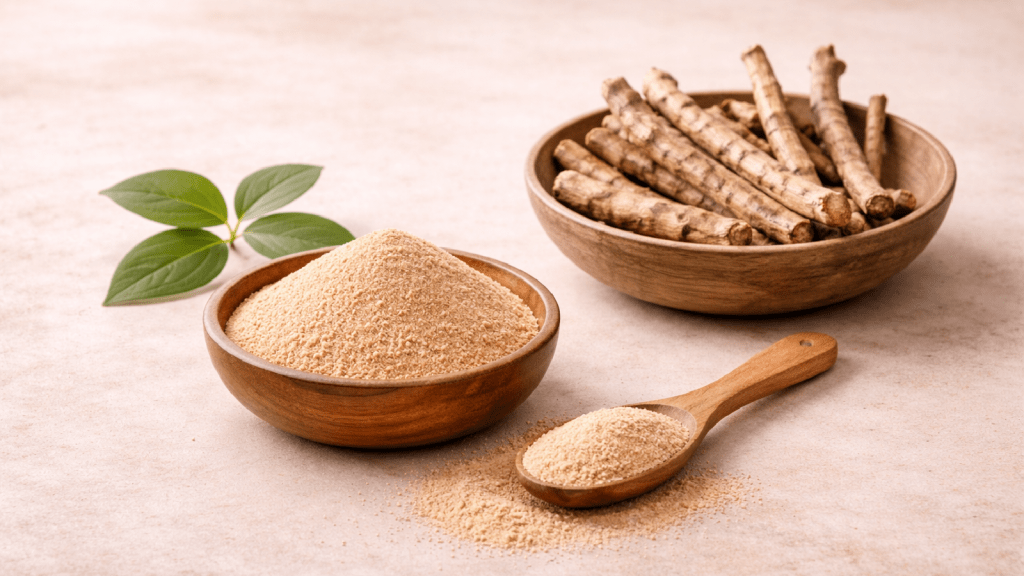
Life has a way of asking a lot from us, and sometimes our hormones feel the effects right alongside the rest of our bodies. During stressful seasons, ashwagandha has long been treasured as a calming herb that helps women slow down, recharge, and find a greater sense of balance.
Because ongoing stress can influence hormonal wellness, ashwagandha is often included in daily routines that support emotional well being, restful sleep, and steady energy. Many people enjoy stirring ashwagandha powder into warm milk or herbal drinks, while capsules provide a simple option for everyday use.
4. Dong Quai
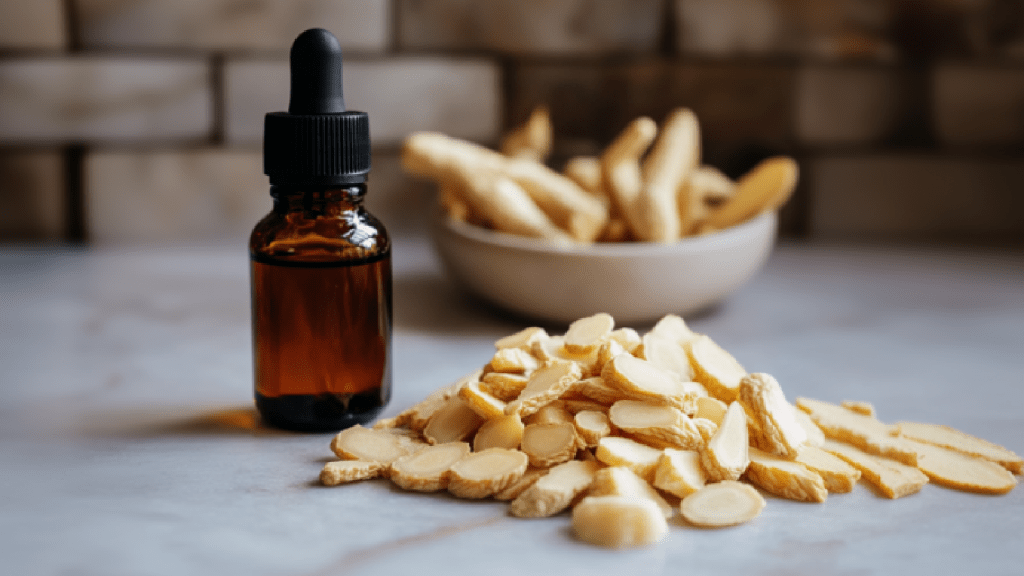
For centuries, dong quai has been lovingly referred to as “female ginseng” in Traditional Chinese Medicine. It has long been treasured as a gentle herb that supports women through the natural changes that come with each stage of life.
Dong quai is traditionally used to encourage a healthy menstrual rhythm while supporting overall reproductive wellness. Many women turn to it during times of hormonal transition, and it is commonly enjoyed as a tincture or taken in capsule form as part of a daily herbal routine.
5. Black Cohosh
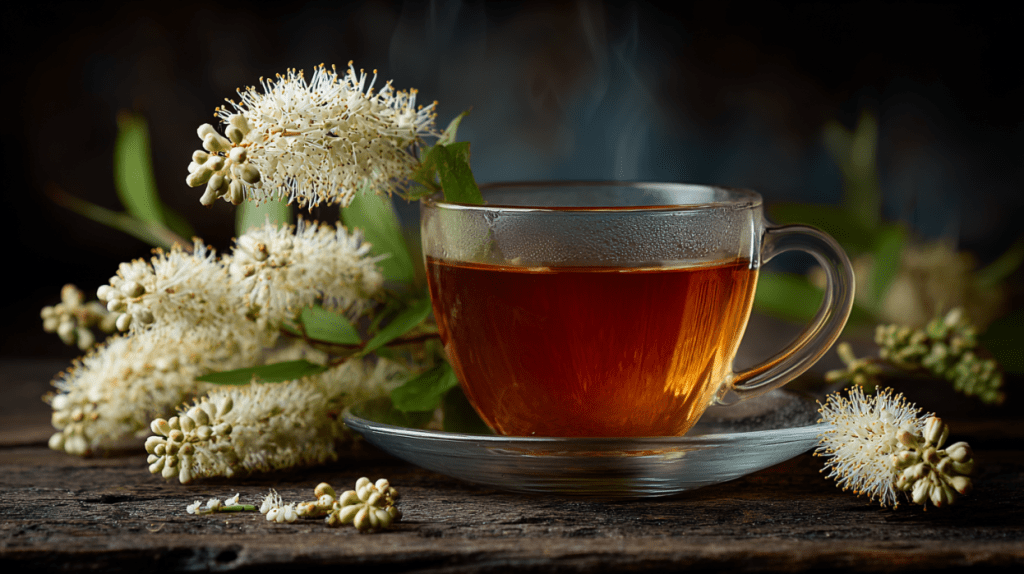
Every stage of life brings new changes, and menopause is no exception. Black cohosh has earned a trusted place in herbal wellness because of its long history of helping women navigate this transition with greater comfort.
Traditionally used to support women during perimenopause and menopause, black cohosh is often chosen to help ease common hormonal changes while encouraging overall well being. It is most commonly available as a capsule or tincture, making it a simple addition to many women’s daily wellness routines.
6. Red Clover
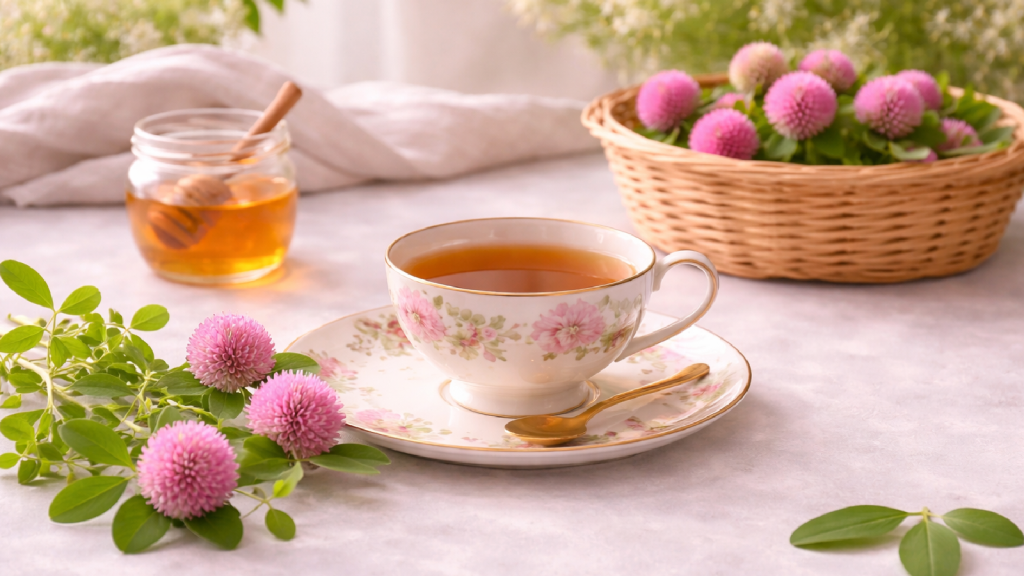
Walking through a field of blooming red clover, it’s easy to overlook just how remarkable these delicate pink blossoms truly are. For generations, this gentle flowering herb has been appreciated for supporting women during times of hormonal change.
Red clover is traditionally used to promote hormonal balance and overall wellness, particularly during menopause. Many people enjoy it as a soothing herbal tea, while tinctures and capsules offer another convenient way to incorporate this beautiful herb into a daily routine.
7. Rhodiola
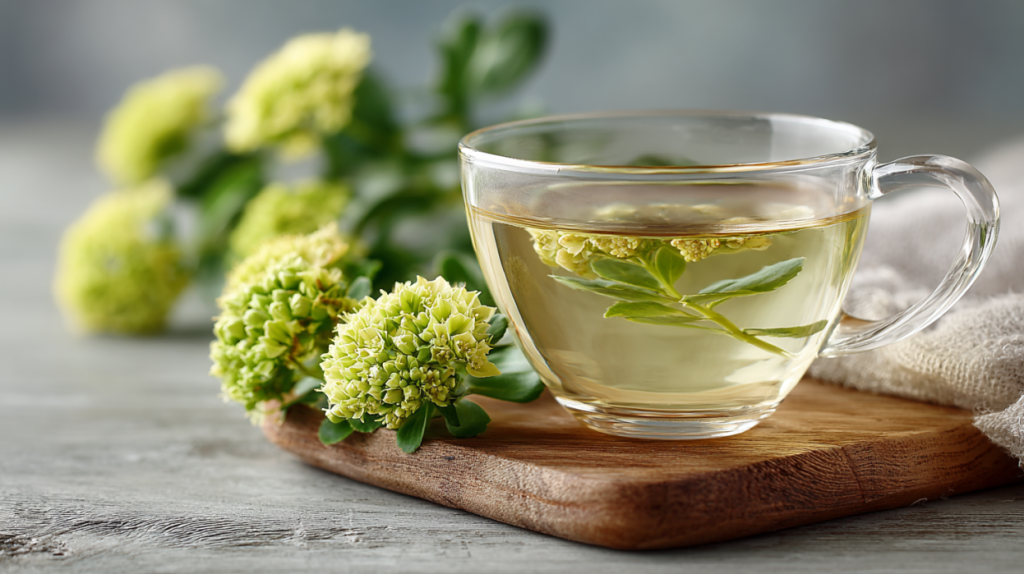
Some plants seem to thrive in the harshest places, quietly growing where few others can. Rhodiola is one of those remarkable herbs, flourishing in cold mountain regions and earning a reputation for its strength and resilience.
For generations, rhodiola has been traditionally used to help the body adapt during stressful seasons while supporting balanced energy and emotional well being. Many people enjoy it as a morning capsule or tincture to complement a steady daily wellness routine.
8. Schisandra Berry
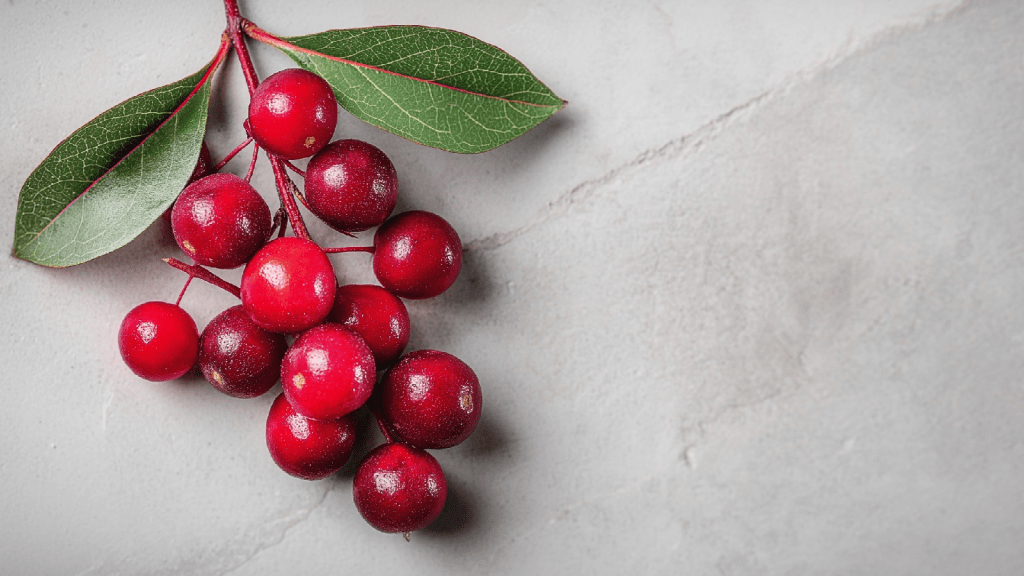
At first glance, schisandra berries may seem small and unassuming, yet they have been treasured in traditional herbal practices for centuries. Often called the “five flavor berry,” they offer a unique blend of sweet, sour, salty, bitter, and pungent flavors all in one tiny fruit.
Schisandra is traditionally appreciated for supporting overall vitality while helping the body navigate everyday stress with greater balance. It is commonly enjoyed as a tea, tincture, or dried berry, making it an easy herb to incorporate into a daily wellness ritual.
9. Licorice Root
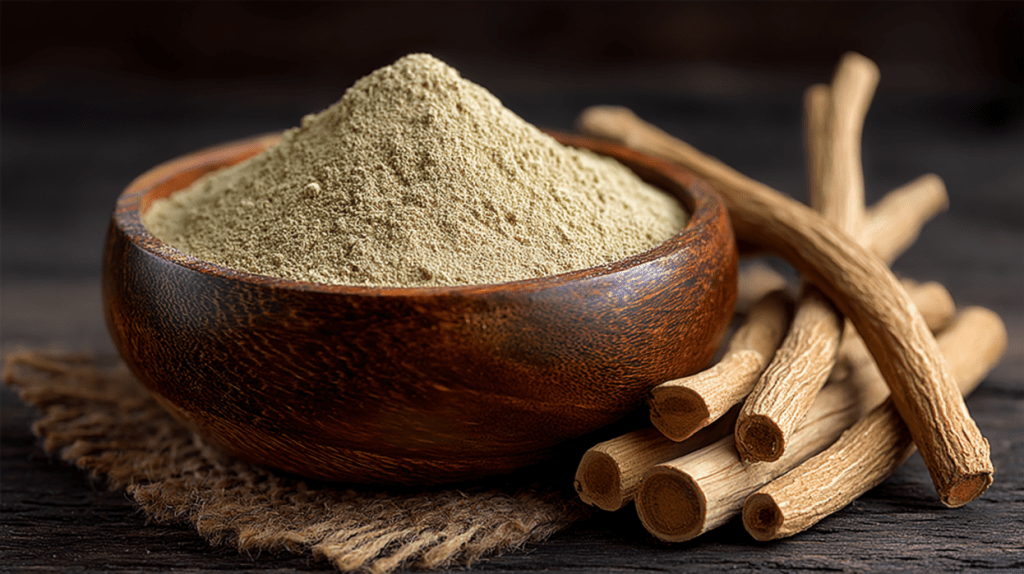
Long before it became known for its naturally sweet flavor, licorice root was a favorite among traditional herbalists for its comforting and nourishing qualities. Its earthy sweetness has made it a beloved ingredient in herbal blends around the world.
Licorice root is traditionally used to support overall wellness during times of stress and has long been included in herbal routines that encourage hormonal balance. A warm cup of licorice root tea is a soothing way to enjoy this timeless herb, while tinctures offer another convenient option for everyday use.
10. Peony (White Peony Root)
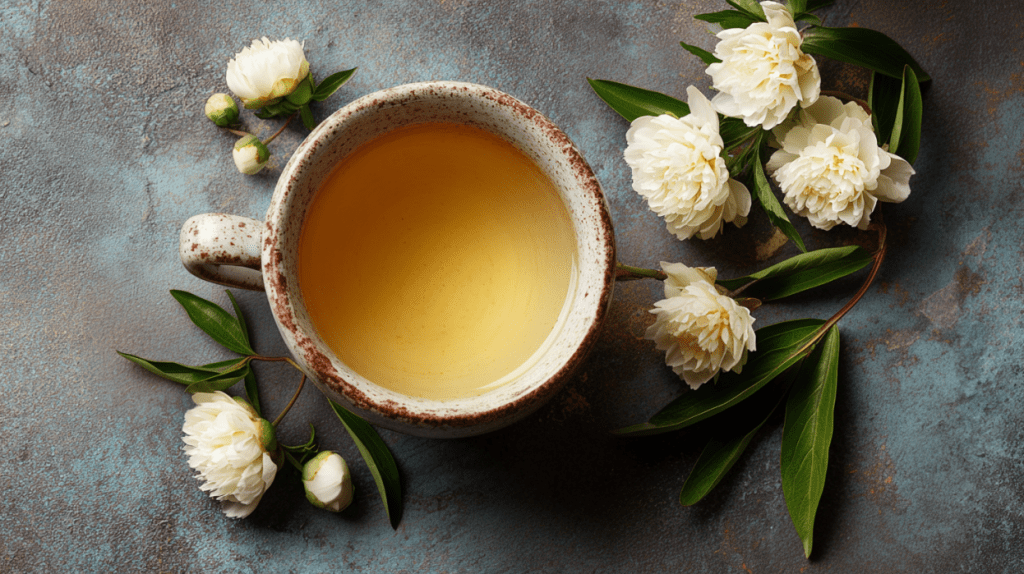
Gentle support often comes from the most time honored traditions. White peony root has been used in Traditional Chinese Medicine for centuries and continues to be appreciated for the calm, balanced approach it brings to women’s wellness.
Traditionally, white peony root has been used to support a healthy menstrual rhythm while encouraging overall hormonal harmony. Many people enjoy it as an herbal tea, while capsules and tinctures provide a simple way to make it part of a daily wellness routine.
11. Holy Basil (Tulsi)

There is something wonderfully peaceful about sitting down with a warm cup of tulsi tea. Known as holy basil, this cherished herb has long been treasured in Ayurvedic tradition for helping create a greater sense of calm and balance.
Because everyday stress can influence so many areas of well being, tulsi has traditionally been used to support emotional wellness and a healthy response to life’s daily demands. A soothing cup of tulsi tea is one of the most popular ways to enjoy this remarkable herb, though tinctures are also widely available.
12. Sage
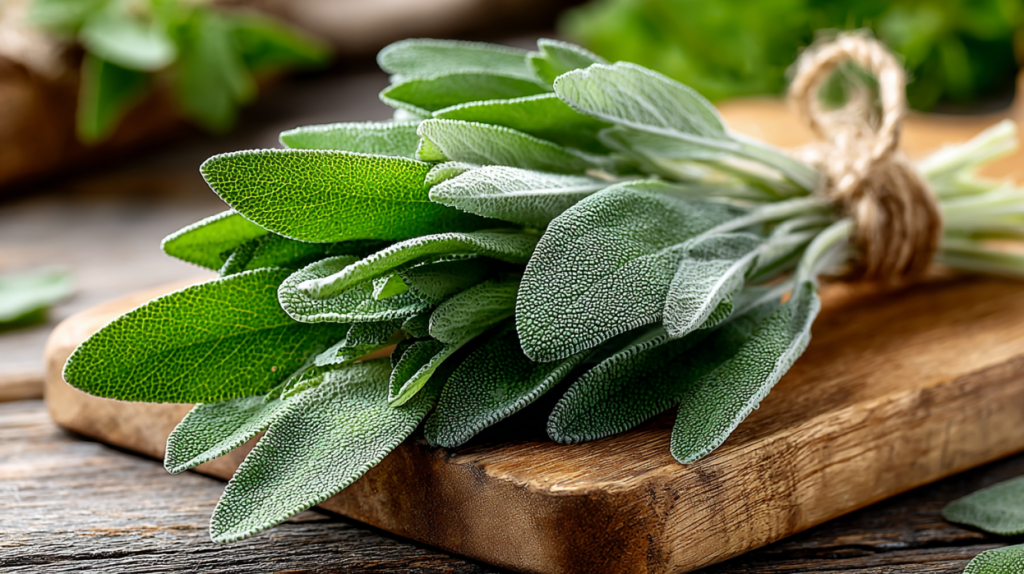
The comforting aroma of fresh sage has filled kitchens and herb gardens for generations. While many people know it as a flavorful culinary herb, sage has also earned a lasting place in traditional wellness practices for women.
Sage has long been appreciated for supporting women through life’s natural hormonal changes, especially during midlife transitions. Whether enjoyed as a fragrant herbal tea or added to soups, roasted vegetables, and other homemade meals, it’s an easy herb to welcome into an everyday wellness routine.
13. Motherwort
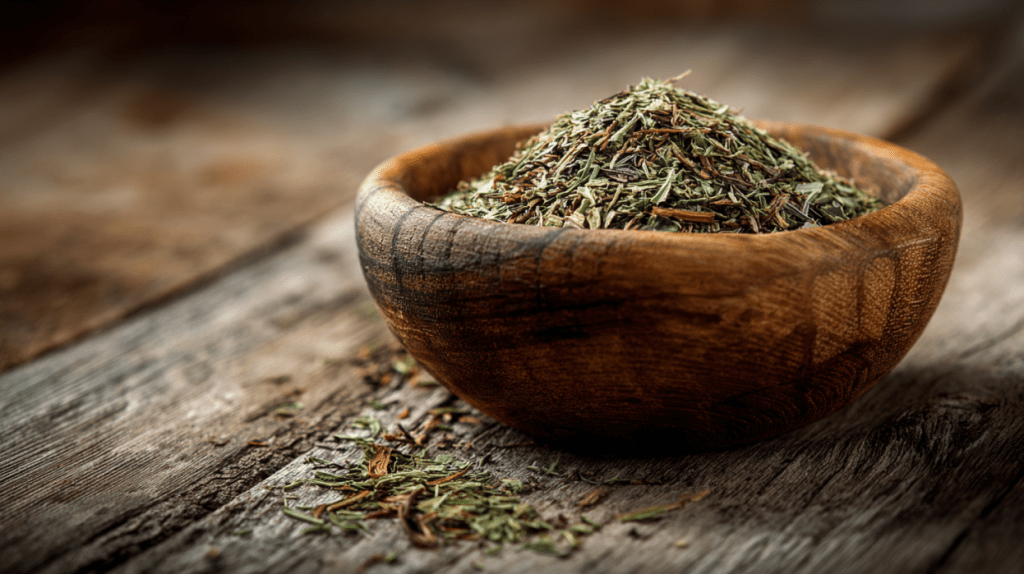
Sometimes a name tells its own story. Motherwort has been cherished for generations as a comforting herb, traditionally turned to during seasons when women needed a little extra support, whether physically, emotionally, or both.
Motherwort has long been used to encourage a sense of calm while supporting women’s hormonal wellness through life’s natural ups and downs. It is most often enjoyed as a tincture or herbal tea, making it a simple addition to a gentle daily self care routine.
14. Shatavari
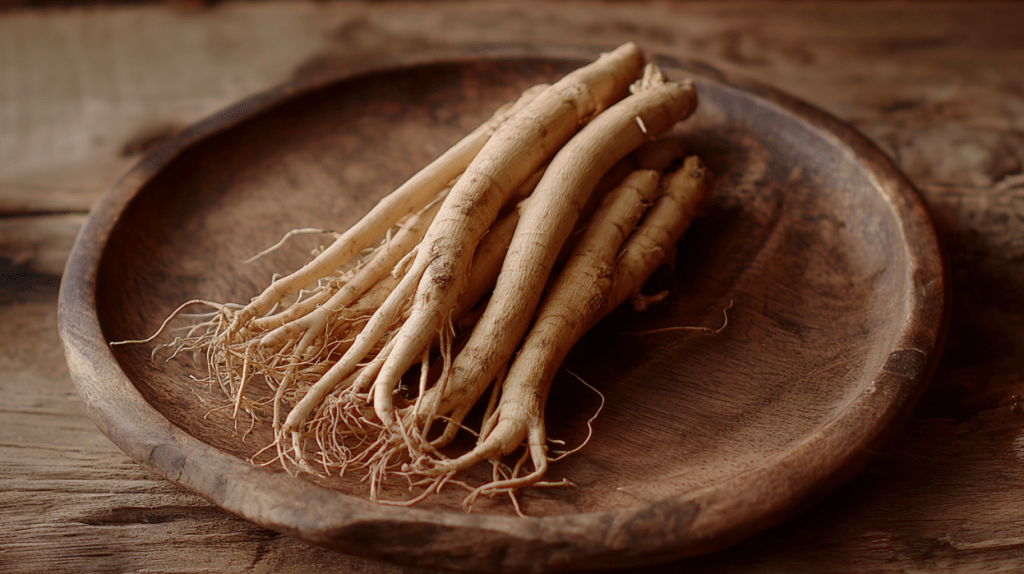
In Ayurvedic tradition, shatavari has been lovingly called the “queen of herbs” for women. For centuries, it has been treasured as a deeply nourishing plant that supports women through every stage of life, from their reproductive years to menopause.
Shatavari is traditionally used to help encourage hormonal balance while supporting overall vitality and well being. Its mild flavor blends easily into smoothies, warm milk, or herbal drinks, and both shatavari powder and capsules make it easy to enjoy this timeless herb every day.
Final Thoughts:
Hormonal wellness isn’t about finding one perfect herb or overnight solution. More often, it’s the small, consistent choices we make each day that help us feel more connected to our bodies and better supported through life’s many seasons.
Whether you begin with a calming cup of tulsi tea, add maca to your morning smoothie, or explore one of the many other herbs in this guide, nature offers gentle ways to care for yourself along the journey. Listen to your body, give yourself grace through each stage of life, and remember that lasting wellness often grows one simple habit at a time.
Continue Your Wellness Journey

9 Traditional Herbs to Support Fertility & Reproductive Wellness
There are some subjects that find their way into your heart because you have lived them yourself. Fertility is one of those subjects for me. When I struggled with fertility,…
Read More
What Moringa Does to Your Body: 9 Remarkable Health Benefits
There is something inspiring about a tree that has earned the nickname “The Miracle Tree.” For generations, moringa has been treasured across parts of Africa and Asia, where its vibrant…
Read More
11 Foods That Naturally Support Hormone Balance
Some days your body seems to whisper that something feels a little different. Your energy isn’t quite as steady, your mood shifts more easily, sleep feels less restful, or cravings…
Read More
