
Can’t Quiet Your Mind? These 8 Herbs Can Help

There is something wonderfully peaceful about the moments just before sleep. The lights grow dim, the house becomes quiet, and the day slowly begins to fade away. Yet for many of us, that sense of calm never quite arrives. Instead, our thoughts continue racing long after our heads touch the pillow.
When the mind feels busy, falling asleep can become more difficult than it should be. While healthy evening habits lay the foundation for restful sleep, many people also turn to gentle herbs that have been treasured for generations to help the body relax and unwind naturally.
Whether you’re sipping a warm cup of chamomile tea, enjoying the soothing scent of lavender, or discovering a new herbal favorite, these eight calming herbs have earned a lasting place in traditional wellness. Each one offers its own gentle way to help quiet the mind and create a more peaceful bedtime routine.
At a Glance
Reading Time: 8 minutes
Best For: Difficulty Sleeping and calming a busy mind
Enjoy As: Teas , tinctures, capsules, & aromatherapy
Focus: Gentle herbal relaxation
Good To Know: A calming bedtime routine helps herbs work their best
1. Valerian Root
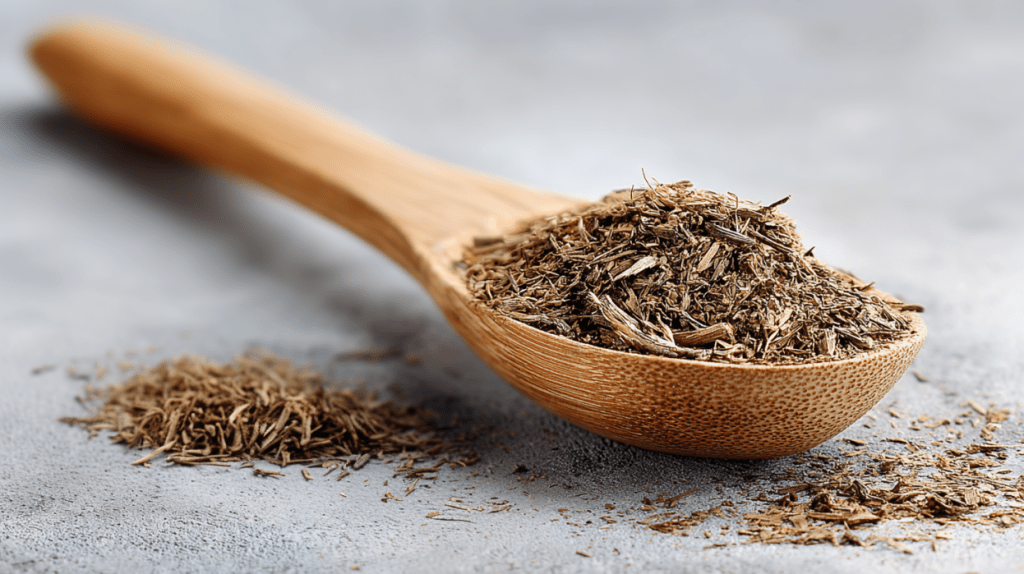
When the day finally comes to an end, sometimes the hardest part is convincing your mind that it’s time to rest too. Valerian root has been treasured for centuries as a calming herb that gently encourages the body to slow down after a busy day.
Rather than forcing sleep, valerian has traditionally been used to help promote relaxation and prepare the body for a more peaceful night. Many people enjoy it as an evening tea, while valerian tinctures and capsules offer a simple way to make it part of a calming bedtime routine.
2. Chamomile
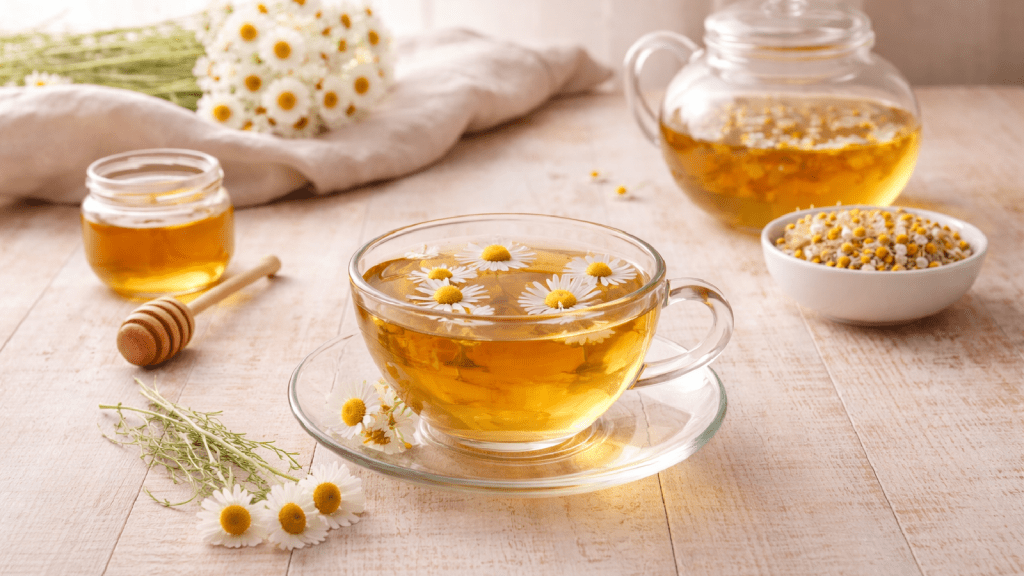
Few bedtime rituals feel as comforting as wrapping your hands around a warm mug of chamomile tea. With its tiny daisy-like flowers and gentle floral aroma, chamomile has become one of the world’s most beloved herbs for unwinding at the end of the day.
For generations, chamomile has been enjoyed to help quiet a busy mind and encourage relaxation before bed. While a warm cup of chamomile tea remains the classic choice, dried chamomile flowers also make a wonderful addition to homemade herbal blends.
3. Passionflower
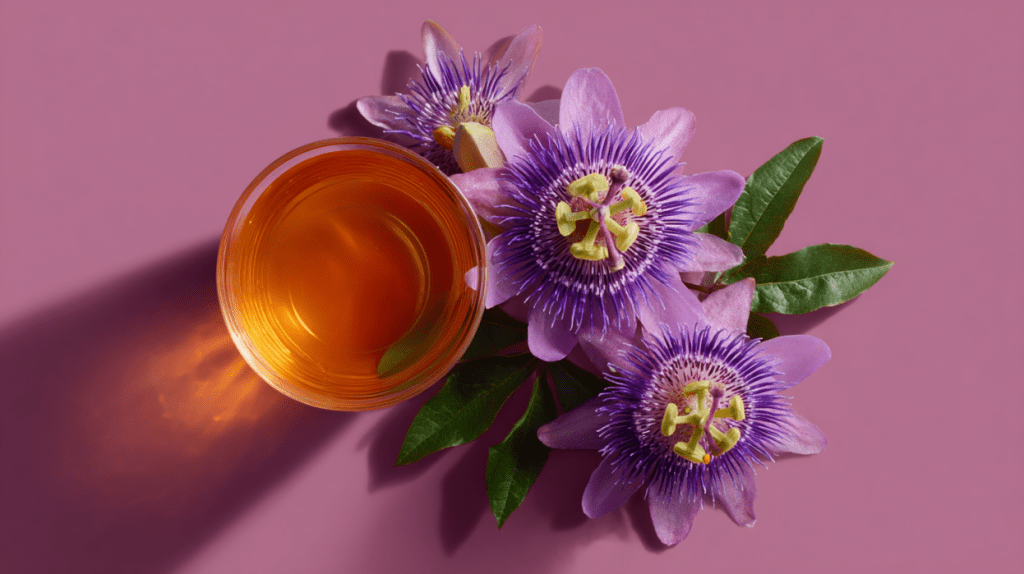
Some evenings, it’s not the body that’s tired, it’s the mind that refuses to slow down. Passionflower has long been appreciated as a gentle herb for those moments when racing thoughts make it difficult to settle into a restful night.
Traditionally used to encourage relaxation and emotional balance, passionflower is a favorite herb for peaceful evenings. It can be enjoyed as a soothing herbal tea, and many people also choose passionflower tinctures as a convenient way to support their bedtime routine.
4. Lemon Balm

There is something wonderfully refreshing about the bright, citrusy scent of lemon balm. A member of the mint family, this cheerful herb has been treasured for generations as a gentle way to help the mind and body unwind after a long day.
Lemon balm has traditionally been enjoyed to encourage relaxation and create a greater sense of calm before bedtime. A warm cup of lemon balm tea is a cozy evening ritual, while tinctures offer a simple option for those looking to add it to their nightly routine.
5. Lavender

Just the scent of lavender is often enough to make you pause, take a deep breath, and slow down. Its soft purple blooms have become a timeless symbol of peace, making lavender one of the most beloved herbs for creating a restful evening atmosphere.
Whether enjoyed as a mild herbal tea, a pillow spray, or a few drops of essential oil in a diffuser, lavender has long been used to help turn an ordinary bedtime into a calming nightly ritual.
6. Ashwagandha

Some restless nights begin long before bedtime. Busy schedules, everyday stress, and constant demands can make it difficult for the mind to fully relax, even when the body is ready for sleep.
Ashwagandha has been treasured in Ayurvedic wellness for centuries as a nourishing herb that helps the body find a greater sense of balance during stressful seasons. Many people enjoy mixing ashwagandha powder into warm milk or herbal drinks before bed, while capsules provide an easy way to make it part of a daily wellness routine.
7. California Poppy

As the sun begins to set, nature has a gentle way of reminding us to slow down. California poppy, with its cheerful golden orange blooms, has long been treasured as a calming herb that helps bring a peaceful close to the day.
Traditionally used to encourage relaxation before bedtime, California poppy is often chosen by those looking to quiet a busy mind and ease into a restful evening. It is most commonly enjoyed as a tincture or capsule, making it a simple addition to a calming nighttime routine.
8. Skullcap

Some days leave the mind feeling like it’s still running long after the lights have gone out. Skullcap has been appreciated by herbalists for generations as a gentle herb that encourages the body to slow down and let go of the day’s tension.
Often included in relaxing herbal blends, skullcap has traditionally been used to support a calm, peaceful state before sleep. A soothing cup of skullcap tea is a comforting way to end the evening, while tinctures offer another convenient option for those building a relaxing bedtime ritual.
Practical Ways to Use Sleep Herbs
Herbs are highly versatile, and the way you use them can be just as important as the herbs themselves. Here are several reliable ways people commonly incorporate them into daily routines:
- Teas & Infusions → Chamomile, lemon balm, lavender, and skullcap shine here. Steep fresh or dried herbs for 5–15 minutes depending on strength preference.
- Tinctures & Capsules → Valerian, passionflower, ashwagandha, and California poppy work well in these concentrated forms for consistent dosing.
- Aromatherapy → Lavender and lemon balm essential oils are perfect for diffusion, baths, or pillow sprays.
- Blends → Combining herbs can increase effectiveness (e.g., chamomile + lemon balm + lavender for ritual calm, or valerian + passionflower for stronger sedation).
Start low and slow, journal your sleep patterns, and notice how your body responds. Herbs work best when paired with solid sleep hygiene: consistent bedtimes, reduced evening screen time, daily movement, and a cool, dark bedroom.
Final Thoughts:
A peaceful night’s sleep is rarely built on one perfect remedy. More often, it grows from the quiet habits we practice each evening, slowing down, setting aside the day’s worries, and creating space for true rest.
Whether you find comfort in a warm cup of chamomile tea, the calming scent of lavender, or one of the other herbs in this guide, nature offers gentle ways to help prepare both the mind and body for sleep. With a little patience and a consistent bedtime routine, these simple rituals can help turn restless nights into more peaceful ones.
Continue Your Wellness Journey

Headache Ruining Your Day? 7 Natural Remedies to Try
Headaches have a way of arriving at exactly the wrong moment. One minute you are moving through your day, and the next, a dull ache or stubborn pressure makes everything…
Read More
9 Old Fashioned Wellness Habits Worth Bringing Back
There was a time when some of the healthiest parts of the day weren’t called wellness at all. They were simply life. Windows were opened to let the morning air…
Read More
9 Mindset Shifts That Can Help You Live a Calmer Life
Sometimes the heaviest things we carry aren’t in our hands at all. They’re the expectations, worries, unfinished lists, and quiet pressures that follow us from one day into the next,…
Read More
