
Herbs for Restorative Sleep: Natural Allies for Calmer Nights

Getting quality sleep shouldn’t feel like a nightly battle, but for many of us, it does. Between late-night scrolling, caffeine lingering in the system, constant stress, and an endless to-do list, drifting off can feel more like a chore than a natural reset. If you’ve tried cutting back on screens and adjusting your routine but still find yourself staring at the ceiling, you might be ready for a gentler, plant-powered approach.
Herbs have been used for centuries to support rest, calm the nervous system, and ease the racing thoughts that steal our shut-eye. Today, modern research is confirming what traditional herbalists have long known: certain botanicals contain compounds that can relax the body, balance stress hormones, and promote deeper, more restorative sleep.
In this guide, we’ll explore eight of the most respected sleep-supportive herbs: what they do, how to use them, and what to watch out for. Whether you’re curious about the grounding strength of ashwagandha, the aromatic calm of lavender, or the classic comfort of chamomile, you’ll find a natural ally that fits your sleep story.
1. Valerian Root
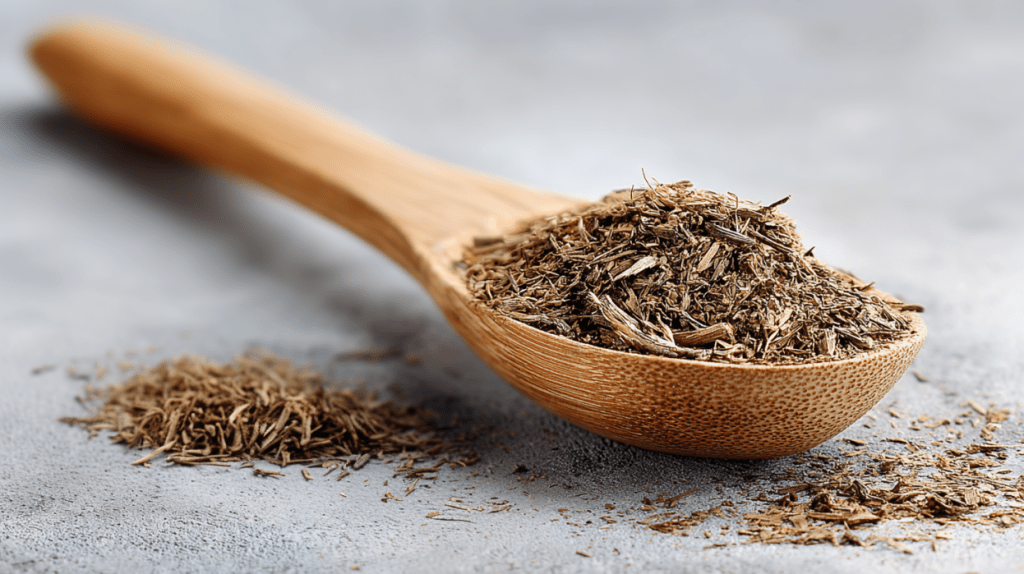
Valerian is often called the “bedtime powerhouse” of herbal remedies. With a strong earthy aroma (that people either tolerate or secretly love), valerian has been used for centuries across Europe and Asia to calm the mind and promote sleep.
Its main magic lies in boosting GABA activity in the brain: a neurotransmitter that helps quiet overactive thoughts and relax physical tension. For people whose nights are filled with racing worries or shallow sleep, valerian can help shorten sleep latency (the time it takes to fall asleep) and improve overall sleep quality.
Valerian is available as tea, tincture, or capsule. While effective, it’s not for everyone. Some people notice grogginess the next morning, especially at higher doses. If you try it, start small, use it on a night you don’t need to wake sharp.
2. Chamomile

Chamomile is the gentle classic: mild, calming, and deeply ritualistic. Most people know it as a tea, but this daisy-like flower contains compounds such as apigenin, which binds to receptors in the brain that reduce anxiety and support relaxation.
A warm cup of chamomile tea before bed isn’t just soothing for the body, it’s a signal to the nervous system that it’s time to wind down. You can also use chamomile in steam inhalations, sachets tucked under your pillow, or as part of an herbal blend.
Because it’s gentle, chamomile is perfect for light sleepers or anyone who struggles with mild anxiety in the evenings. The only caution: those with ragweed allergies may want to avoid it. Otherwise, it’s safe enough for daily use and even for children in many cases.
3. Passionflower
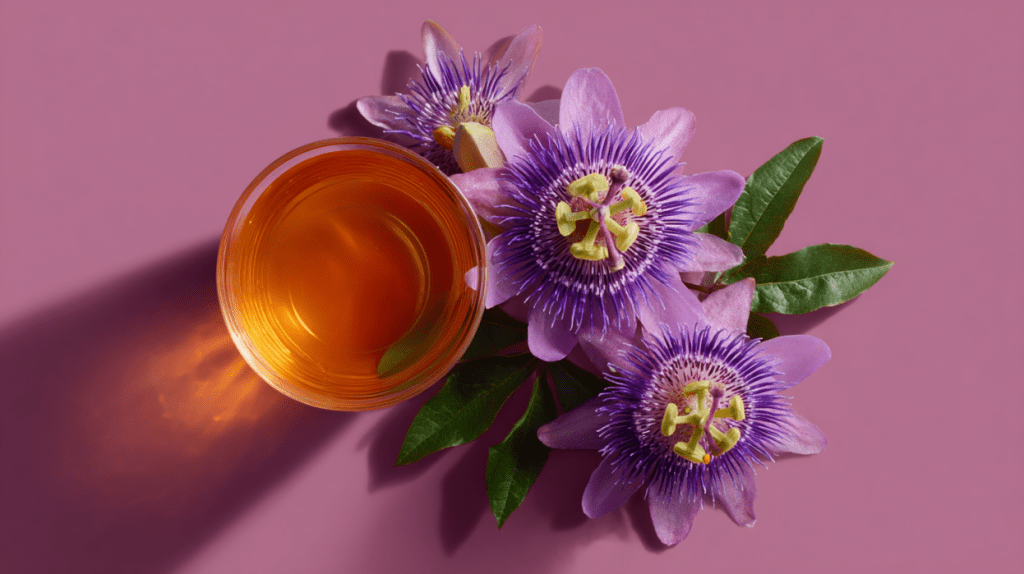
Delicate and slightly tangy, passionflower has long been used to soothe restless, overthinking minds. Like valerian, it supports higher GABA levels, reducing the mental agitation that keeps you from drifting off.
It shines for people whose sleep issues are linked to racing, cyclical thoughts, the kind of worry that builds one “what if” into ten more. Passionflower works beautifully in teas, tinctures, and as part of combination blends with chamomile or lemon balm.
Side effects are mild, but because passionflower enhances sedatives, it should be used cautiously if you’re taking sleep medications or anti-anxiety prescriptions. Think of it as an herbal ally for quieting mental noise and inviting softer nights.
4. Lemon Balm

Bright, citrusy, and part of the mint family, lemon balm brings a cheerful yet calming presence to the sleep lineup. Traditionally used to ease nervousness, digestive upset, and stress-related insomnia, lemon balm offers a dual effect: soothing the mind while calming the body.
Modern studies suggest it also acts on GABA pathways, which helps regulate nervous system activity. Its versatility makes it a common partner herb in sleep teas and tinctures, often blended with chamomile, valerian, or passionflower.
If your sleep troubles come with a fluttery heart, tension, or nervous digestion, lemon balm may be especially helpful. It’s gentle, safe for long-term use, and a great entry point for beginners exploring herbal sleep support.
5. Lavender

Lavender is the aromatic superstar of natural relaxation. Unlike many herbs that need to be ingested, lavender’s effects are often strongest through inhalation. Studies show that simply breathing in lavender essential oil can lower heart rate, reduce blood pressure, and improve sleep quality.
You can enjoy lavender through pillow sprays, sachets, diffusers, or a few drops in a bedtime bath. It also appears in herbal teas, where its floral taste pairs beautifully with chamomile.
Lavender is an excellent choice for those who prefer non-ingestible remedies or want a calming sensory ritual before bed. Just remember to properly dilute essential oils before applying them to the skin, and avoid concentrated oils around infants.
6. Ashwagandha

Ashwagandha, a cornerstone of Ayurvedic medicine, is not a sedative herb in the traditional sense. Instead, it’s an adaptogen, meaning it helps the body regulate stress responses and lower cortisol. For many people, less cortisol at night means less tossing and turning.
Rather than knocking you out, ashwagandha builds resilience against chronic stress, making it ideal for people whose sleep struggles stem from burnout or prolonged anxiety. Over time, this herb can support a more balanced nervous system, leading to deeper, more consistent rest.
Usually taken as a supplement or powder, ashwagandha is generally well tolerated. However, it can interact with thyroid medications and sedatives, so consult a healthcare provider before use, especially if pregnant or nursing. Think of it as a long-term investment in stress-free sleep.
7. California Poppy

The cheerful California poppy may look delicate, but it’s surprisingly powerful for easing nervous restlessness. Unlike its opium-producing cousins, it’s non-narcotic and offers a mild sedative effect without heavy grogginess.
Often available in tinctures, teas, or capsules, California poppy helps reduce sleep latency and calm a restless mind. It’s particularly helpful for those who wake frequently or feel jittery at night but don’t want to rely on stronger sedatives.
It’s generally safe but should be used cautiously alongside other calming herbs or sleep medications. Think of it as a middle-ground option: more potent than chamomile but gentler than pharmaceutical aids.
8. Skullcap

A member of the mint family, skullcap is an underrated herb for easing nervous tension and restless energy. American skullcap (Scutellaria lateriflora) is the variety most associated with sleep support, calming jittery thoughts and relaxing mild muscle tension.
Skullcap works beautifully in combination formulas, often paired with valerian or passionflower for a stronger effect. It’s available in teas, tinctures, and capsules. For those who can’t seem to turn off after caffeine overuse, stress, or constant stimulation, skullcap offers a gentler way to settle.
As with all herbs, quality matters. Choose products from reputable sources to avoid adulteration, and follow dosing guidelines carefully.
Practical Ways to Use Sleep Herbs
Herbs are versatile, and how you use them matters just as much as which ones you choose. Here are a few tried-and-true approaches:
- Teas & Infusions → Chamomile, lemon balm, lavender, and skullcap shine here. Steep fresh or dried herbs for 5–15 minutes depending on strength preference.
- Tinctures & Capsules → Valerian, passionflower, ashwagandha, and California poppy work well in these concentrated forms for consistent dosing.
- Aromatherapy → Lavender and lemon balm essential oils are perfect for diffusion, baths, or pillow sprays.
- Blends → Combining herbs can increase effectiveness (e.g., chamomile + lemon balm + lavender for ritual calm, or valerian + passionflower for stronger sedation).
Start low and slow, journal your sleep patterns, and notice how your body responds. Herbs work best when paired with solid sleep hygiene: consistent bedtimes, reduced evening screen time, daily movement, and a cool, dark bedroom.
Final Thoughts: Sleep Better, the Natural Way

Sleep is complex, shaped by stress, habits, environment, and biology. Herbs aren’t magic bullets, but they are powerful allies when chosen wisely and used consistently.
From lavender’s aromatic hush to ashwagandha’s long-term stress resilience, these botanicals offer a spectrum of solutions for different sleep struggles. Whether you’re seeking quick calm, deeper rest, or a soothing bedtime ritual, there’s an herb to meet you where you are.
If you’re curious, begin with one, give it a couple of weeks, and observe the changes. Pair it with supportive routines, dim lighting, gentle stretching, or mindful breathing. Over time, you’ll find that herbs don’t just help you sleep, they help you approach bedtime with intention, calm, and trust in your body’s ability to restore itself.
Sweet dreams.
 Mama’s Natural Journey