
Calm the Itch: 4 Natural Remedies for Eczema Relief

If you’ve ever dealt with eczema, you know it’s more than just dry skin. It itches, it stings, it flakes. It wakes you up at 3 a.m., burns in the shower, and makes you second-guess every lotion, fabric, and meal. It can turn getting dressed into a strategy game and sleeping through the night into a distant dream.
Eczema, also known as atopic dermatitis, is an inflammatory skin condition marked by dry, irritated, and often itchy or painful patches. It can flare up in response to allergens, harsh skincare products, changes in weather, stress, or even what you eat. And while steroid creams and antihistamines are often prescribed, they don’t always provide lasting relief, and may come with side effects when used long-term.
That’s where natural remedies come in. Nature offers gentle, effective solutions to soothe inflammation, repair the skin barrier, and reduce flare-ups, without suppressing your body’s natural healing process. Whether you’re complementing your current routine or going fully holistic, these time-tested remedies provide real relief. For a hands-on way to heal your skin naturally, try my homemade Healing Skin Cream recipe: a rich botanical blend that calms flare-ups, reduces redness, and leaves your skin soft, strong, and deeply nourished.
Let’s explore four of the most powerful natural remedies for eczema: calendula, manuka honey, coconut oil, and sea moss.
Calendula
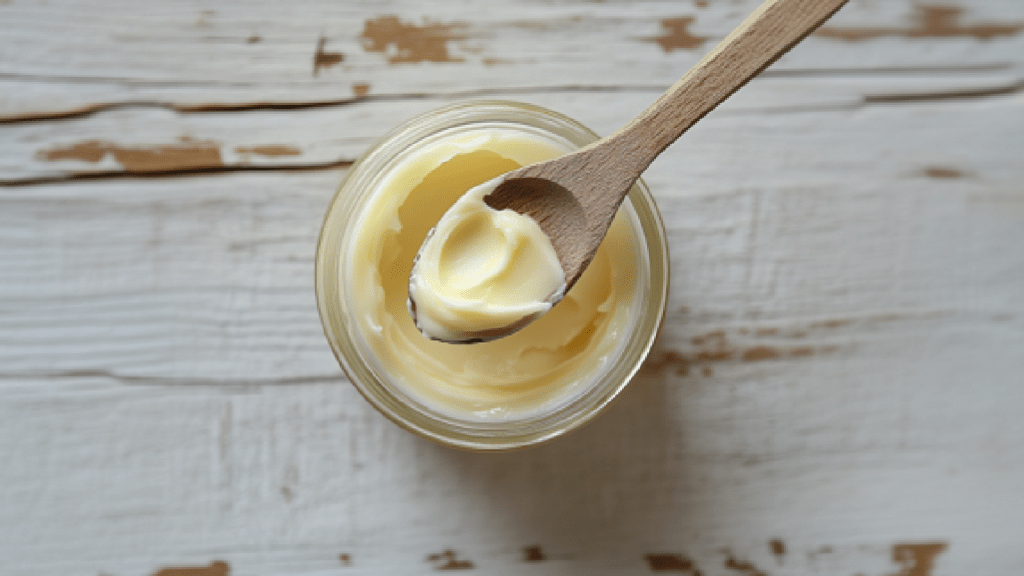
Calendula officinalis, also known as marigold, is a bright, golden flower with powerful anti-inflammatory, antimicrobial, and skin-healing properties. Used topically, calendula has long been prized in herbal medicine for its ability to calm irritated skin, reduce redness, and support wound healing. For eczema, it acts as both a soothing balm and a botanical boost to the skin’s repair cycle.
Calendula works by promoting tissue regeneration and increasing blood flow to the affected area, helping the skin rebuild itself faster and stronger. It also contains flavonoids that fight oxidative stress and inflammation: two major contributors to eczema flare-ups. Whether used in an infused oil, healing salve, or gentle cream, calendula can help ease itching and reduce the urge to scratch, which in turn prevents further damage.
It’s gentle enough for children and sensitive skin types, making it a staple for anyone seeking relief without harsh chemicals. Apply it regularly to calm active flare-ups or as a daily moisturizer to support long-term skin health.
Manuka Honey
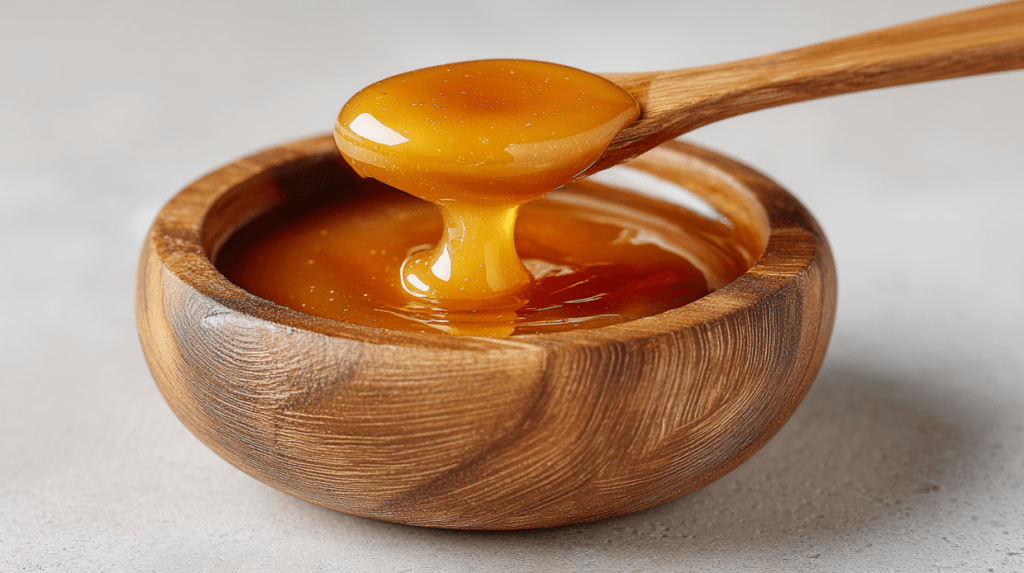
Not all honey is created equal, and when it comes to eczema, manuka honey is the gold standard. Sourced from the nectar of the manuka bush (native to New Zealand), this medicinal honey is rich in methylglyoxal, a compound with exceptional antibacterial and anti-inflammatory properties.
Manuka honey helps protect eczema-prone skin from infection: a common complication when the skin barrier is compromised and scratching leads to open wounds. Its natural enzymes create a moist healing environment, promoting tissue repair while reducing inflammation and discomfort. It’s also packed with antioxidants that support the immune system and fight off free radical damage.
To use, apply a thin layer of high-grade manuka honey (look for a UMF rating of 10+ or higher) directly to affected areas. Let it sit for 20–30 minutes before rinsing, or use it as an overnight mask for deep healing. You can also find manuka honey cream and for mess-free application.
Manuka honey may feel indulgent, but when your skin is screaming for help, it’s a soothing, naturally potent solution that delivers real results.
Coconut Oil

Sometimes, the best remedies are the simplest. Virgin coconut oil is one of the most accessible and effective natural treatments for eczema, offering intense hydration and antimicrobial protection in one soothing swipe.
Coconut oil is rich in lauric acid, a fatty acid that helps fight bacteria and fungi while deeply moisturizing the skin. For eczema sufferers, this means fewer infections, less irritation, and better barrier protection. It penetrates the skin easily, locking in moisture and reducing the trans-epidermal water loss that can make eczema so difficult to manage.
Its anti-inflammatory properties help calm the redness and itch that accompany most flare-ups, and its emollient texture creates a physical barrier on the skin, protecting it from further dryness and irritation.
To use, apply a thin layer of unrefined, cold-pressed coconut oil to damp skin, especially after a bath or shower when the skin is primed to absorb moisture. For many, it’s a daily essential, not just for managing flare-ups but for maintaining smooth, healthy skin year-round.
Sea Moss

Sea moss, also known as Irish moss, is a type of red algae packed with over 90 essential minerals, including iodine, zinc, sulfur, and magnesium. While it’s often consumed internally as a supplement or gel, it also offers powerful benefits for the skin, especially when eczema is triggered by internal imbalances or nutritional deficiencies.
One of the standout properties of sea moss is its ability to soothe inflammation and support skin hydration. When used topically, sea moss gel acts as a natural humectant, drawing moisture into the skin while forming a gentle, protective film. It’s rich in sulfur compounds, which can help with skin clarity and reduce microbial overgrowth: factors that often exacerbate eczema.
Internally, sea moss provides key nutrients that support immune function, thyroid health, and cellular repair, all of which contribute to the body’s ability to manage chronic skin conditions. It’s especially beneficial for individuals whose eczema is linked to gut issues, stress, or mineral deficiencies.
Whether you apply it as a calming face mask or blend it into your morning smoothie, sea moss delivers powerful support for eczema from both inside and out.
Final Thoughts: Healing Eczema with the Wisdom of Nature
Eczema may be relentless, but relief doesn’t have to come from harsh chemicals or temporary fixes. Nature offers a slower, deeper kind of healing, one that works with your body, not against it. Whether it’s the regenerative power of calendula, the antimicrobial magic of manuka honey, the rich hydration of coconut oil, or the mineral nourishment of sea moss, these natural remedies help restore balance where eczema has disrupted it.
But healing isn’t just skin deep. It’s a process of listening to your body, supporting it from within, and making space for daily rituals that soothe rather than strip. These remedies don’t offer instant results, but with consistency, they can calm flare-ups, strengthen your skin’s resilience, and help you feel more at home in your body again.
 Mama’s Natural Journey