
Looking for Sunburn Relief? Try These 6 Natural Remedies

Few things interrupt a sunny day faster than a painful sunburn. Redness, heat, and tenderness are signs that your skin has absorbed too much UV exposure. While severe burns require medical attention, mild to moderate sunburns can often be soothed at home with gentle natural remedies.
Sunburn is essentially an inflammatory response in the skin. To recover, the body needs cooling, hydration, and ingredients that help calm irritation while supporting tissue repair. Natural remedies work with this process rather than masking symptoms.
Many plant-based ingredients and simple kitchen staples contain soothing, antibacterial, and anti inflammatory compounds. When used properly, they can ease discomfort, reduce peeling, and help your skin recover faster and more comfortably.
At a Glance
Reading Time: 8 minutes
Best For: Mild to moderate sunburn
Works By: Cooling, hydrating, & calming skin
Focus: Plant based relief
Good To Know: Severe sunburn requires medical attention
Why Natural Sunburn Care Works
After a sunburn, your skin needs three things above all else: cooling, hydration, and time. The body immediately begins repairing damaged tissue, but inflammation and moisture loss can leave skin feeling painful, dry, and sensitive for several days.
Many natural remedies work by supporting this process rather than simply masking symptoms. Some help draw heat away from the skin, while others replenish moisture, calm inflammation, or create a protective barrier that allows the skin to heal more comfortably.
The goal is not to rush recovery but to gently support your body’s remarkable ability to repair itself.
1. Aloe Vera

Aloe vera has earned its reputation as one of the most trusted natural remedies for sunburn. The cool, soothing gel immediately refreshes overheated skin while delivering moisture and beneficial plant compounds that help calm inflammation and support the skin’s natural repair process.
Fresh aloe from a mature plant is often the best choice. Simply slice open a leaf and gently spread the clear gel over the affected area. If using a store bought product, look for one with a high percentage of pure aloe vera and avoid formulas containing alcohol, artificial fragrance, or dyes that may further irritate sensitive skin.
2. Cool Compresses & Cucumber
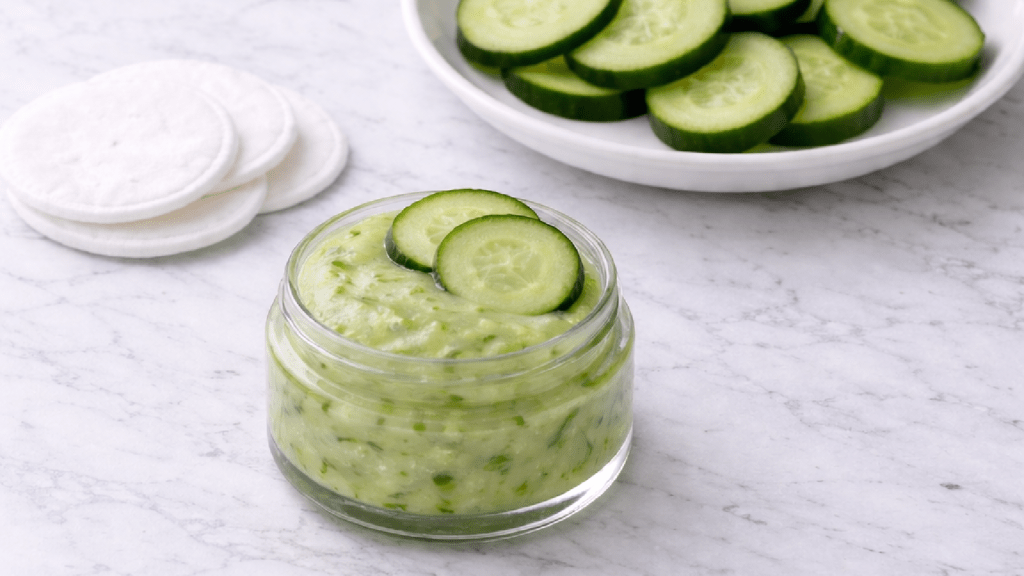
One of the quickest ways to ease sunburn discomfort is by lowering the skin’s temperature. A clean washcloth soaked in cool water helps calm irritated nerve endings while gently drawing excess heat away from the skin.
Apply the compress for about 10 to 15 minutes and repeat throughout the day as needed. Never place ice directly onto sunburned skin, as extreme cold can increase irritation.
For additional relief, place chilled cucumber slices over the affected area or blend cucumber into a simple cooling mask. Its high water content and natural antioxidants help refresh the skin while reducing redness and feelings of tightness.
3. Oatmeal Baths

When a sunburn affects larger areas of the body, an oatmeal bath can provide soothing relief from head to toe. Colloidal oatmeal has long been used to calm irritated skin while helping restore moisture and strengthen the skin’s natural protective barrier.
Blend plain rolled oats into a fine powder or use prepared colloidal oatmeal and stir it into a lukewarm bath. Soak for about fifteen minutes before gently patting your skin dry. Follow with aloe vera or a lightweight moisturizer to help lock in hydration.
Quick Tip
Avoid hot showers or baths after a sunburn. Warm water can increase irritation and dry the skin even further, making recovery more uncomfortable.
4. Greek Yogurt

Plain Greek yogurt offers gentle relief for smaller areas of sunburn thanks to its naturally cool temperature and creamy texture. The proteins and lactic acid found in yogurt may help calm irritated skin while providing a refreshing sensation.
Spread a thin layer of chilled, plain, unsweetened Greek yogurt over the affected area and leave it in place for about 10 to 15 minutes before rinsing gently with cool water.
Because yogurt is best suited for smaller patches of sunburn, avoid using it on broken skin or blistered areas.
5. Raw Honey
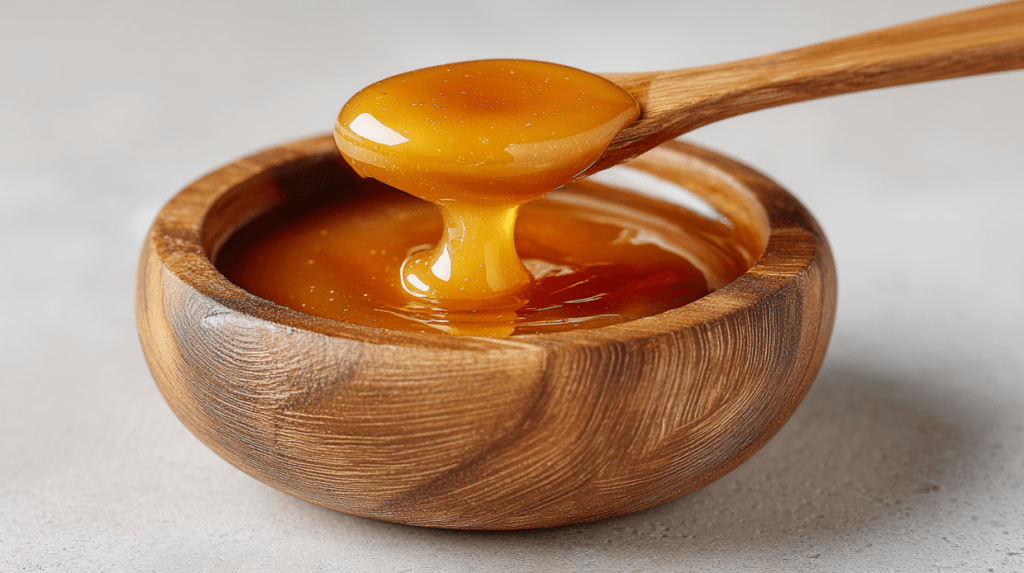
Raw honey, especially Manuka honey, has been valued for generations for its soothing and naturally antimicrobial properties. It helps maintain moisture while creating a protective environment that supports the skin’s natural healing process.
Apply a thin layer to intact skin and, if desired, loosely cover the area with clean gauze. Many people prefer applying honey in the evening and gently rinsing it away the following morning.
Avoid using honey on open blisters or extensive burns.
6. Coconut Oil
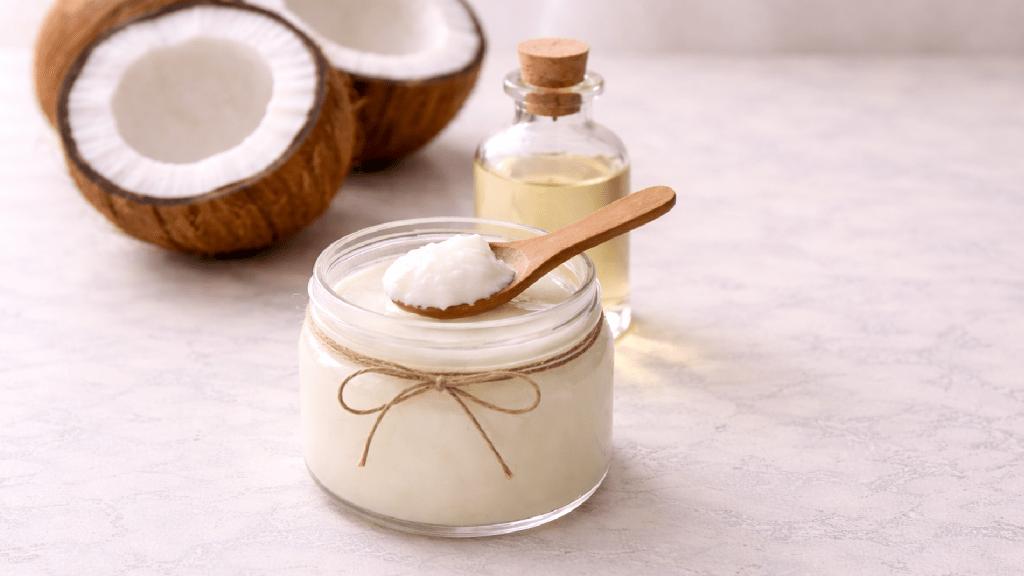
Once the initial heat and redness have begun to fade, coconut oil can become a wonderful moisturizer for recovering skin. Its natural fatty acids help soften dry areas, reduce peeling, and restore the skin’s protective barrier.
Wait at least 24 to 48 hours after the burn before applying coconut oil. Using it too soon may trap heat against the skin while inflammation is still active.
Massage a small amount onto dry skin as needed. If you have acne prone skin, test a small area first before broader use.
Remember
Natural remedies are most effective when paired with simple habits like staying hydrated, resting your skin, and avoiding additional sun exposure while healing.
“Healing begins when we stop fighting our bodies and start giving them what they need most: rest, hydration, and gentle care.”
Smart Recovery Tips
Along with natural remedies, a few simple habits can help your skin recover more comfortably.
- Drink plenty of water to replace lost fluids.
- Wear loose, lightweight clothing that won’t rub against sensitive skin.
- Stay out of direct sunlight until your burn has healed.
- Avoid picking or peeling flaking skin.
- Apply moisturizer regularly to help maintain hydration.
- Continue protecting your skin with sunscreen and protective clothing once you return outdoors.
When to Seek Medical Care
Natural remedies can provide soothing relief for mild sunburn, but some situations require professional medical attention.
Seek medical care if your sunburn is accompanied by:
- Large or widespread blisters
- Severe pain
- Fever or chills
- Nausea or vomiting
- Dizziness or fainting
- Signs of infection, including pus, increasing redness, or swelling
These symptoms may indicate a more serious burn that requires medical evaluation.
Final Thoughts:

Sunburn can happen even after a short afternoon outdoors, but gentle care can make recovery far more comfortable. Cooling the skin, restoring moisture, and choosing soothing natural ingredients allows your body to focus on what it does best: healing.
Whether you reach for fresh aloe vera, a calming oatmeal bath, cool cucumber, or nourishing raw honey, these simple remedies remind us that some of the most effective forms of care are often the simplest. Combined with patience, hydration, and good sun protection, they can help your skin recover while encouraging healthier habits for the sunny days still to come.
Continue Your Wellness Journey
10 Natural Remedies for Radiant, Healthy Skin
Healthy, radiant skin is often a reflection of what is happening within the body. Hydration, nourishment, circulation, and inflammation balance all influence how the skin looks and feels. When these…
Read More
Homemade Rose Water
There is something deeply calming about reaching for simple skincare rituals that feel soft, gentle, and grounding. Rose water has been used for centuries to refresh the skin, soothe irritation,…
Read More
Bentonite Clay Mask for Acne Scars
When skin starts feeling congested, textured, or marked by lingering breakouts, sometimes the most comforting approach is returning to simple, natural skincare rituals that help the skin breathe and reset.…
Read More
