
6 Natural Remedies for Sunburn: Fast Relief and Smart Recovery

Few things put a damper on summer fun faster than a sunburn. The redness, heat, and tenderness are uncomfortable, and a clear signal your skin has taken a hit from UV exposure. While severe burns require medical care, most mild-to-moderate sunburns can be eased safely at home with natural remedies. These solutions don’t just cool the sting, they reduce inflammation, prevent peeling, and support your skin’s natural healing process.
Why natural remedies? Sunburn is essentially an inflammatory response. Your skin needs hydration, cooling, calm, and the right environment to recover. Many plant-based remedies and kitchen staples deliver soothing, antibacterial, and anti-inflammatory compounds that speed repair. Knowing which remedies to use, and how to apply them effectively, is key to a quicker, more comfortable recovery.
1. Aloe Vera

Aloe vera is the gold standard for sunburn relief. Its clear gel instantly cools overheated skin, delivers deep hydration, and contains polysaccharides and antioxidants that calm inflammation while supporting tissue repair. If you have a live aloe plant, slice a leaf, scoop out the gel, chill briefly, and apply directly.
Commercial gels work too. Just look for high aloe content and avoid alcohol, dyes, or fragrances that can irritate sensitive skin. Aloe is gentle, non-greasy, and safe for repeated use day or night. Apply a thin layer of pure aloe vera and let it absorb naturally. While soothing, aloe is supportive care, not a replacement for professional treatment of severe burns.
2. Cool Compresses & Cucumber
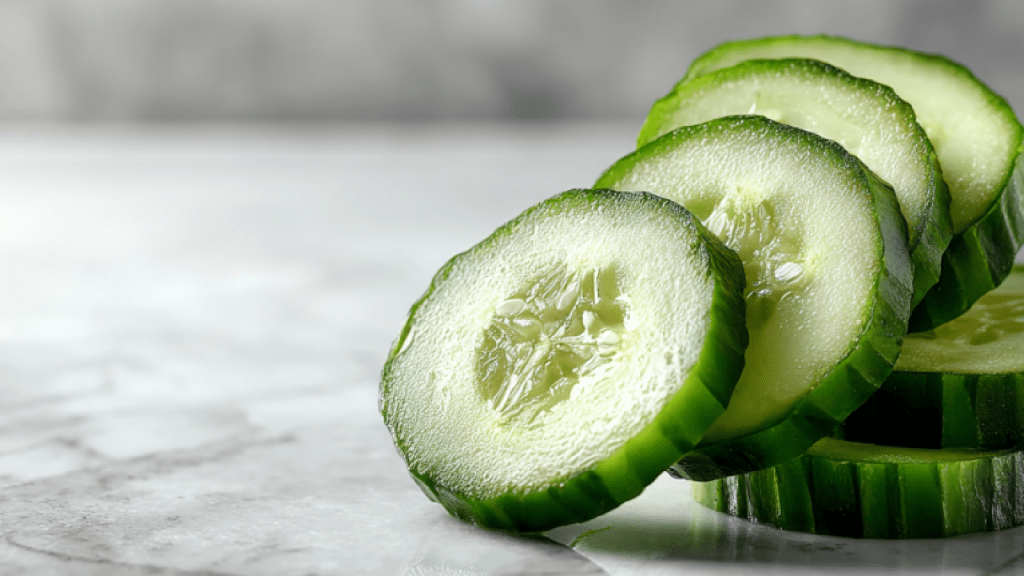
The fastest relief comes from cooling. A simple compress with a clean washcloth soaked in cool water calms nerve endings and draws out heat. Apply for 10–15 minutes and repeat several times daily. Avoid ice directly on the skin, it can worsen irritation.
Cucumber elevates this effect. Its high water content, antioxidants, and natural silica provide a spa-like soothing experience. Slice or blend cucumbers, chill briefly, and apply to sunburned areas for 10–20 minutes. Pat dry gently afterward. The combination of compress and cucumber reduces redness, eases tightness, and creates instant comfort while preparing your skin for deeper healing treatments.
3. Oatmeal Baths

Colloidal oatmeal is a go-to for full-body relief. Its fine, soothing starches and anti-inflammatory avenanthramides create a protective layer, hydrate skin, and calm irritation. To use, blend plain oats into a fine powder or purchase pre-made colloidal oatmeal, sprinkle it into lukewarm bathwater, and soak for 10–20 minutes.
Keep the water cool to lukewarm; hot baths intensify redness and pain. After soaking, pat skin gently with a soft towel and follow with aloe or a light moisturizer to lock in hydration. Oatmeal baths are especially useful for widespread sunburns, providing relief from itching and discomfort while supporting the skin’s natural recovery process.
4. Greek Yogurt

Thick, chilled Greek yogurt makes an effective spot treatment. Its creamy texture cools sunburned skin, while lactic acid and proteins support gentle healing. Apply plain, unsweetened yogurt to affected areas for 10–15 minutes, then rinse with cool water.
Because it’s rich and dense, yogurt works best on smaller burns rather than full-body coverage. Avoid broken or blistered skin, and skip if you’re allergic or sensitive to dairy. Used correctly, it soothes discomfort, hydrates the skin, and provides a natural, probiotic-rich boost to damaged tissue, complementing other cooling and moisturizing remedies.
5. Raw Honey

Raw honey, especially Manuka honey, is a natural antimicrobial and tissue-repairing ally. It helps retain moisture, protect against secondary infection, and keep skin soft as it heals. Apply a thin layer to intact skin and lightly cover with gauze or a non-stick dressing, replacing daily.
Honey works best overnight, providing sustained relief and gentle repair while you rest. Avoid using on open blisters or large burns without medical guidance. Its antibacterial properties make it particularly helpful in preventing infection while supporting smooth, hydrated recovery.
6. Coconut Oil

Once heat and redness subside, coconut oil becomes a recovery hero. Its medium-chain fatty acids form a moisturizing barrier that prevents peeling and eases tight, dry skin. Apply gently after the first 24–48 hours, when the burn has cooled.
Avoid applying coconut oil to fresh, hot sunburns since it can trap heat and worsen discomfort. Used at the right stage, it restores softness, elasticity, and skin resilience. Test a small area first if prone to breakouts. Coconut oil complements other remedies, helping your skin fully recover while leaving it nourished and moisturized.
When to Seek Medical Care
Mild-to-moderate sunburns respond well to home care, but seek medical attention for large blisters, severe pain, fever, chills, nausea, dizziness, or signs of infection such as pus or spreading redness. Children, older adults, and those with weakened immune systems are especially vulnerable. Burns on the face, genitals, or major joints require professional evaluation.
Final Thoughts: Smart, Soothing Sunburn Care

Sunburn is an inevitable part of sunny days, but how you care for your skin afterward matters. Start with cooling and hydration, lean on gentle, evidence-backed remedies like aloe, oatmeal baths, and cool compresses, then transition to restorative options like honey, coconut oil, or Greek yogurt.
Most mild sunburns heal with patience and consistent care, and these natural solutions help minimize discomfort, prevent peeling, and support tissue repair. For severe burns, never hesitate to seek professional support. With the right approach, your skin can recover smoothly, leaving you reminded to protect it with sunscreen next time, and enjoy the sun safely.
 Mama’s Natural Journey